analysisJune 8, 2026
Roman vs Hubble vs JWST: How NASA's Space Telescopes Compare
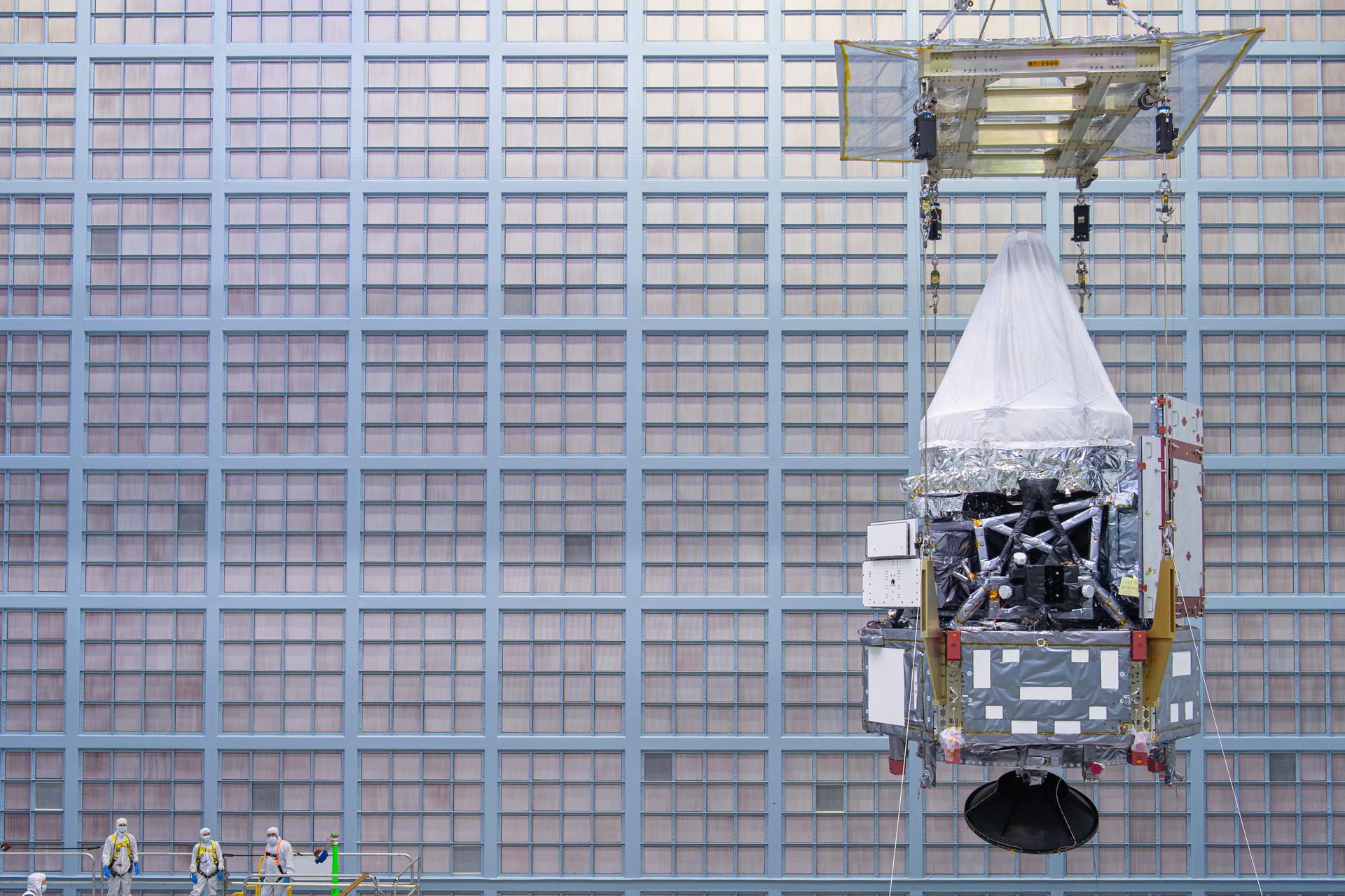
Side-by-side: Roman, Hubble, JWST, and Euclid compared on mirror size, field of view, wavelength, orbit, and science goals — with a full comparison table.
Side-by-side: Roman, Hubble, JWST, and Euclid compared on mirror size, field of view, wavelength, orbit, and science goals — with a full comparison table.
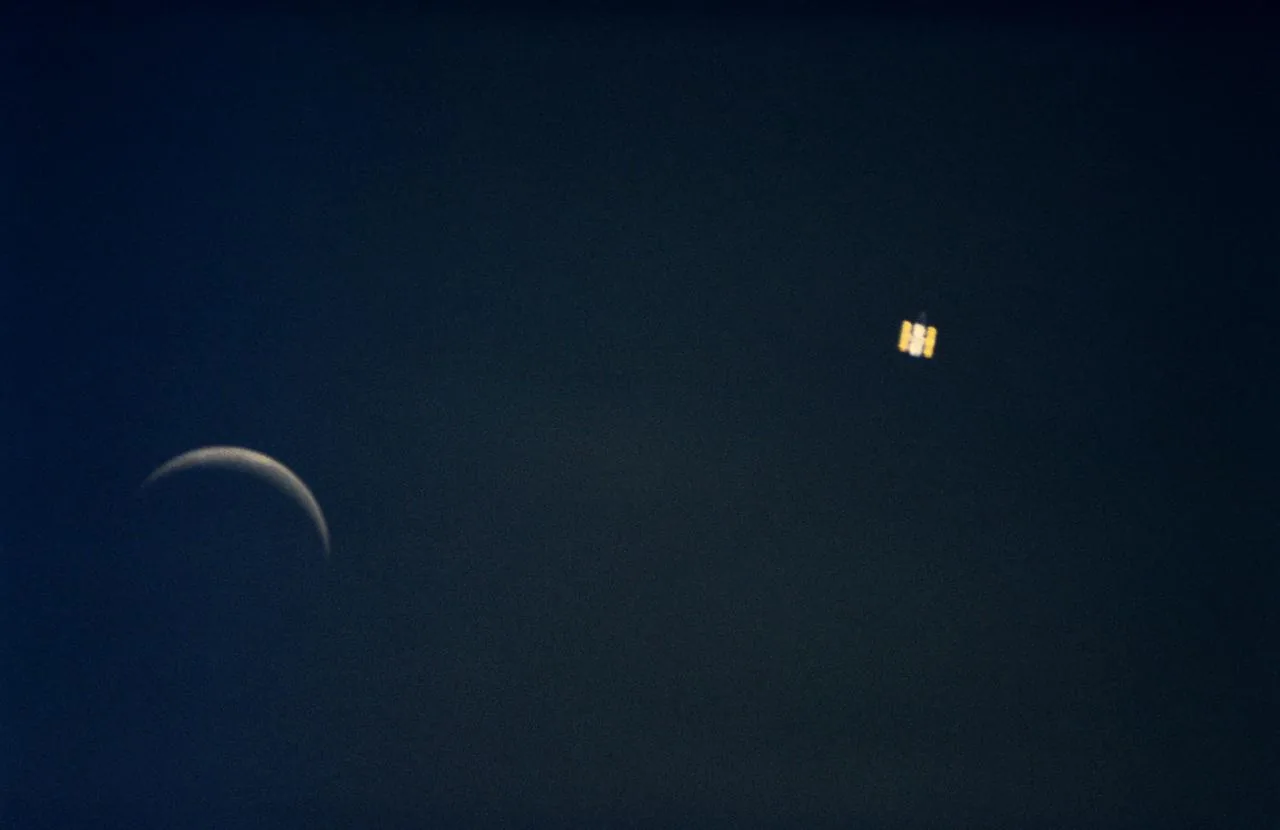
Hubble at 34, Kepler's 2,600 exoplanets, James Webb's deepest infrared views, plus Nancy Grace Roman and Euclid — the space telescopes that rewrote astronomy.

Ariane 6 restored Europe's launch independence, JUICE is en route to Jupiter, and Euclid is mapping dark matter — inside ESA's most productive stretch since Apollo.
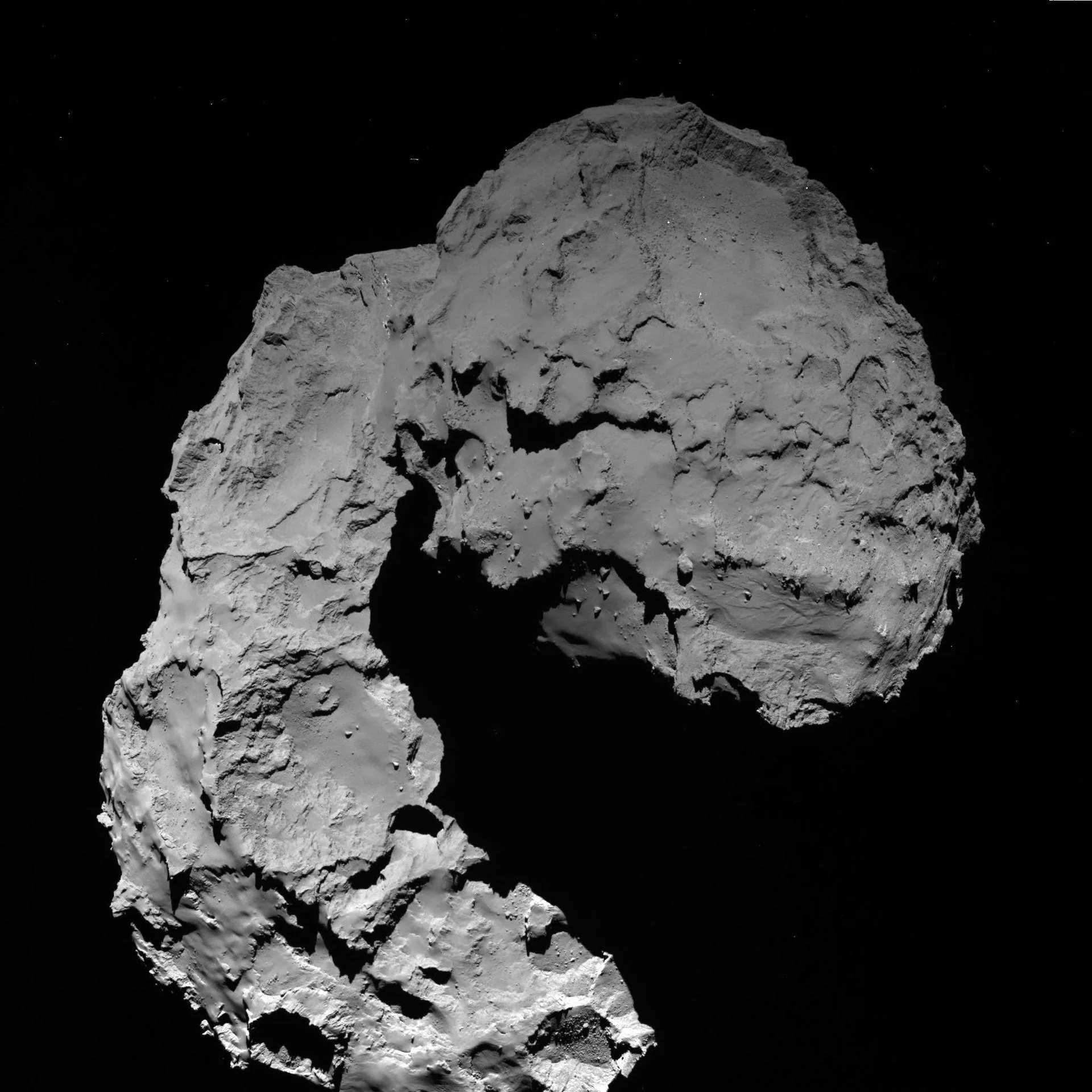
From Rosetta's comet landing to Copernicus monitoring Earth and Galileo guiding 4 billion devices, explore ESA's flagship missions and Europe's lunar future.
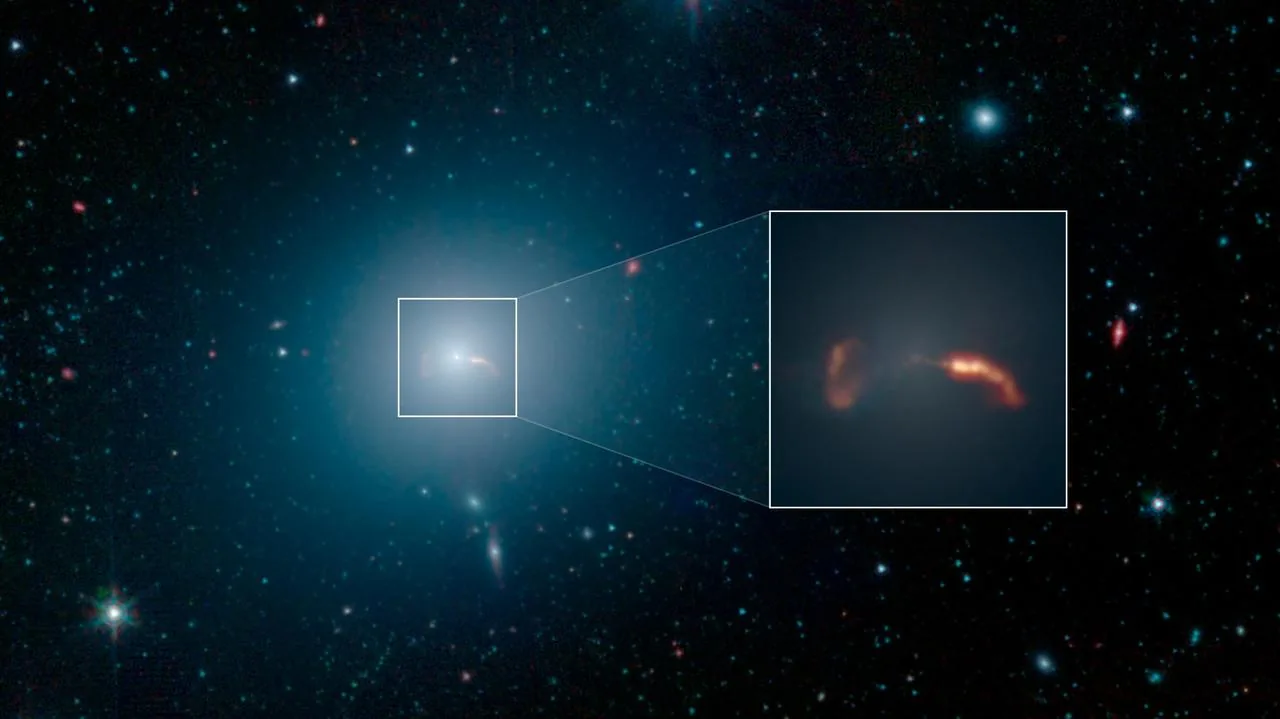
Dark matter and dark energy make up 95% of the universe, yet nobody has directly detected either. Here's the evidence, the leading theories, and what Euclid and DESI are finding.