CollisionFebruary 10, 2009
Iridium–Cosmos Collision
On 10 February 2009, the operational Iridium 33 communications satellite collided with the defunct Russian Cosmos 2251 over Siberia at a closing speed of about 11.7 km/s. It was the first accidental hypervelocity collision between two intact satellites, and it produced more than 2,300 trackable fragments across two debris clouds. The event proved that orbital collisions were no longer hypothetical and accelerated investment in conjunction-screening and space-traffic-management services.
At a glance
- Date
- February 10, 2009
- Type
- Collision
- Orbit regime
- LEO (~789 km)
- Trackable fragments
- 2,300+
In depth
On 10 February 2009, the operational Iridium 33 communications satellite slammed into the derelict Russian military satellite Cosmos 2251 over northern Siberia at about 789 km altitude. The two intact spacecraft met at a closing speed of roughly 11.7 km/s and were both destroyed instantly. It was the first accidental hypervelocity collision between two whole satellites — the scenario debris analysts had long warned about, finally happening in a crowded, heavily trafficked orbital shell. Neither satellite was manoeuvred out of the way; the conjunction simply had not been flagged as dangerous enough in advance.
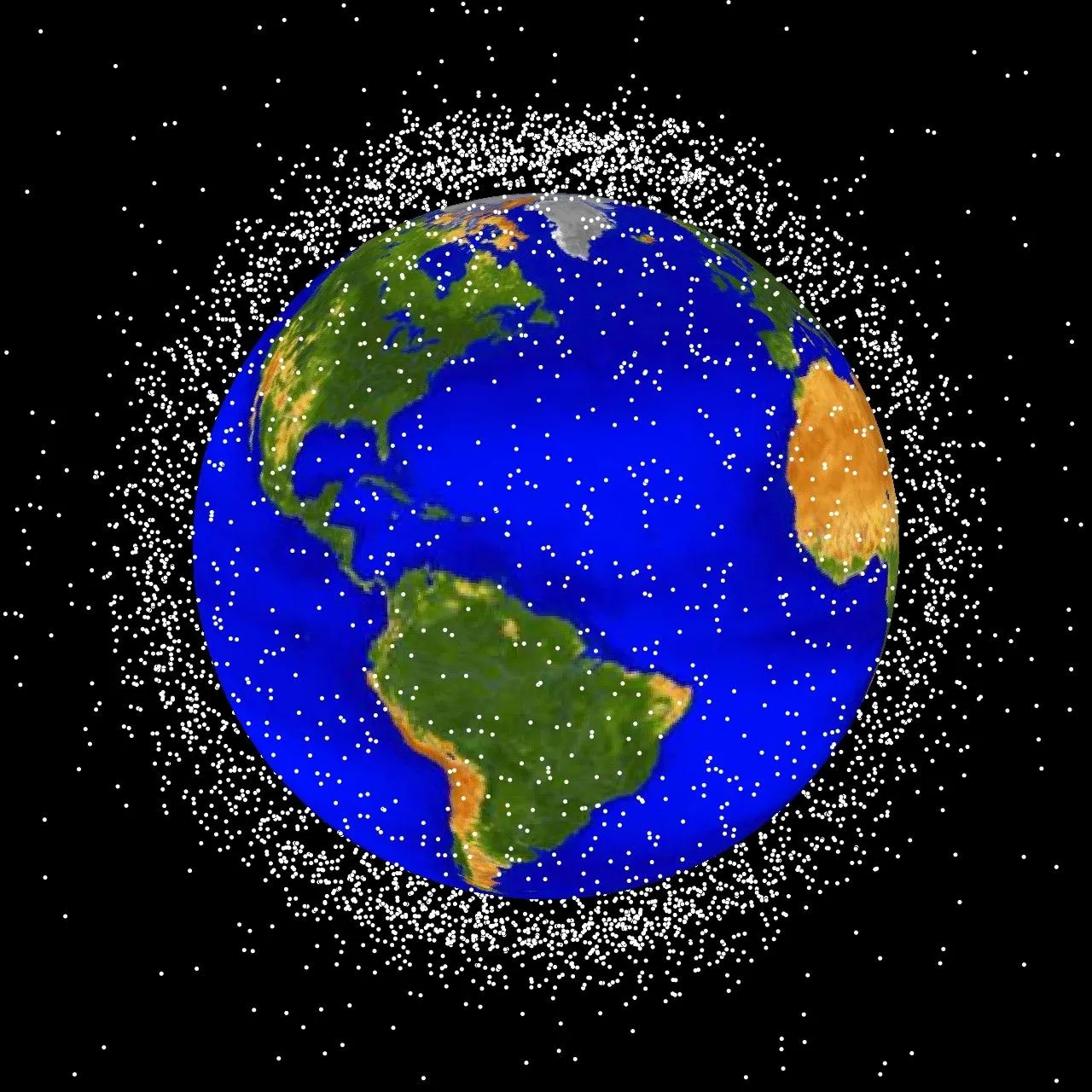
The crash produced two overlapping debris clouds and, in total, more than 2,000 trackable fragments — roughly 1,668 catalogued to Cosmos 2251 and about 628 to Iridium 33 — along with far more untrackable pieces. The fragments spread into a broad band of inclinations and altitudes around 700–800 km. Some of the lower pieces began re-entering within a couple of years, but many remain in orbit as of 2026: by 2024 the U.S. catalogue still listed on the order of 916 Cosmos 2251 and 212 Iridium 33 pieces, and portions of both clouds are expected to survive well into the century. The debris raised collision risk across a busy shell: the ISS performed an avoidance manoeuvre in March 2011, and on 24 March 2012 a Cosmos 2251 fragment passed the station at roughly 120 metres.
The 2009 collision was a turning point for space-traffic management. It proved orbital collisions were no longer hypothetical, and it exposed how thin conjunction-screening and inter-operator coordination were at the time. In its wake, operators and governments accelerated investment in conjunction-assessment services, better catalogue accuracy, and routine close-approach warnings — the foundations of the modern collision-avoidance regime. Together with the 2007 Fengyun-1C test, it is the event most often cited to explain why end-of-life disposal, active debris removal, and space-traffic coordination now dominate orbital-sustainability policy.
Frequently asked questions
How many fragments did the Iridium–Cosmos collision create?
The collision produced more than 2,000 trackable fragments across two debris clouds — roughly 1,668 pieces catalogued to the Russian Cosmos 2251 and about 628 to Iridium 33 — plus many thousands more too small to track individually.
Are the fragments still in orbit today?
Many are. Some lower pieces re-entered within a few years, but a large share remain aloft: by 2024 the U.S. catalogue still listed roughly 916 Cosmos 2251 and 212 Iridium 33 fragments, and portions of both clouds are expected to survive well into the century.
Did the debris threaten the International Space Station?
Yes. NASA rated the immediate ISS risk as low, but the station did perform an avoidance manoeuvre in March 2011, and on 24 March 2012 a Cosmos 2251 fragment passed the ISS at about 120 metres — close enough that the crew took refuge in their docked Soyuz as a precaution.
Why was this collision so significant?
It was the first accidental hypervelocity collision between two intact satellites — proof that orbital collisions were no longer just a theory. The roughly 11.7 km/s impact in a busy shell exposed gaps in conjunction screening and directly accelerated investment in the collision-avoidance and space-traffic-management systems used today.
Related
Data sourced from ESA Space Debris Office, NASA Orbital Debris Program Office, and U.S. Space Command catalog reporting. © SpaceOdysseyHub.