FragmentationAugust 6, 2024
Long March 6A Upper-Stage Fragmentation
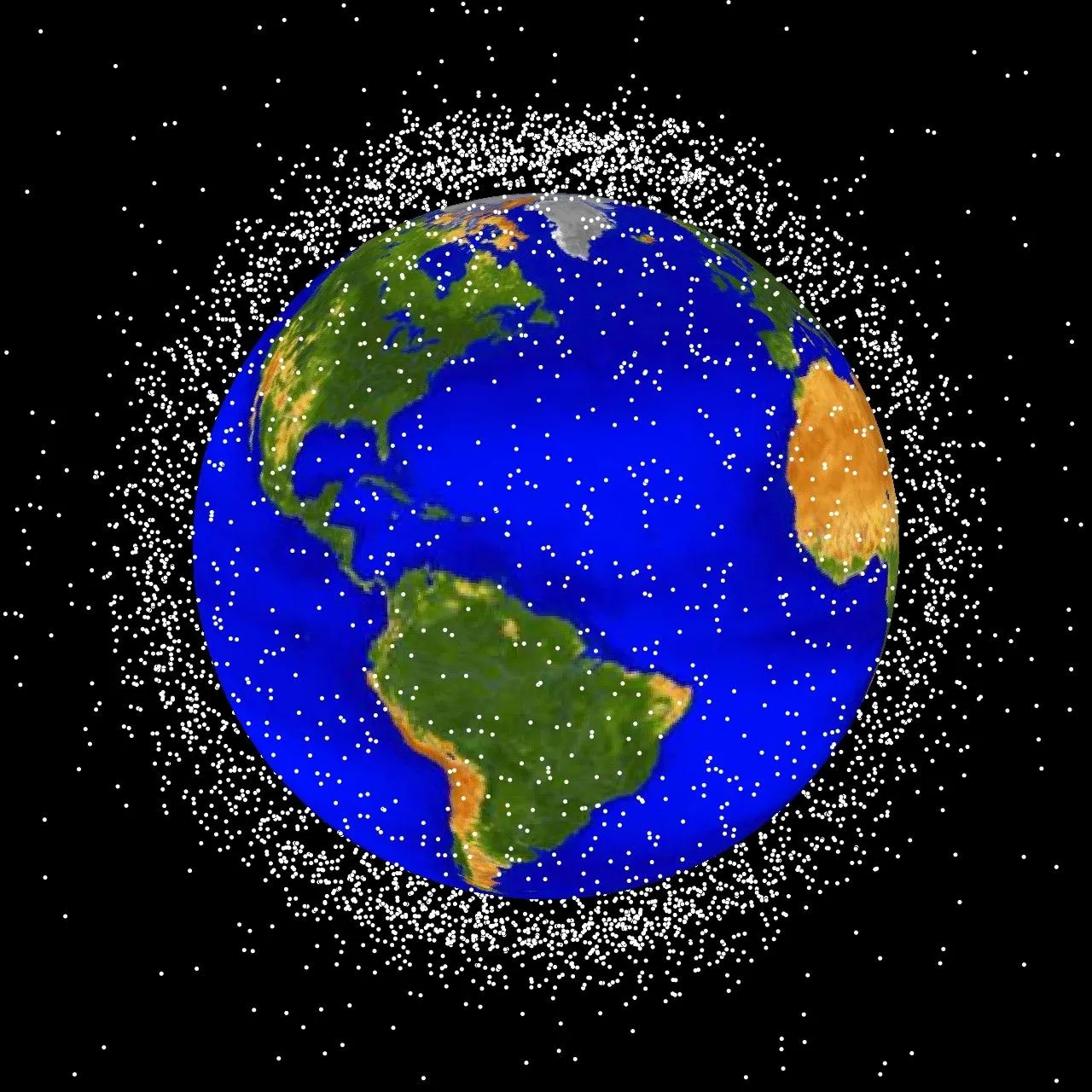
After deploying the first batch of China's Qianfan (Thousand Sails) broadband satellites in August 2024, the Long March 6A upper stage fragmented at around 810 km — a densely used orbital shell. U.S. Space Command catalogued more than 283 trackable fragments, with models suggesting many more untrackable pieces. The breakup highlighted the debris risk created by upper stages left in high LEO during the mega-constellation build-out.
At a glance
- Date
- August 6, 2024
- Type
- Fragmentation
- Orbit regime
- LEO (~810 km)
- Trackable fragments
- 283+
In depth
On 6 August 2024, a Long March 6A lifted off from the Taiyuan spaceport in northern China carrying the first 18 flat-panel satellites of the Qianfan ("Thousand Sails") broadband mega-constellation into a roughly 800 km polar orbit. The payloads separated cleanly, but roughly 13 hours after liftoff the rocket's upper stage — a version modified to restart and dispense multiple satellites — broke apart at around 810 km, one of the most crowded shells in low Earth orbit. It was not the first time this stage had failed this way: a near-identical CZ-6A upper stage had fragmented in November 2022 after the Yunhai-3 launch, an event for which the U.S. Space Force's 18th Space Defense Squadron had catalogued 533 pieces by the end of January 2023. U.S. Space Command attributed the 2024 breakup to an issue related to the stage's propulsion system rather than a collision — leftover propellant or pressurized fluids in a spent stage being the classic ingredient for this kind of energetic fragmentation.
The scale of the cloud became clear over the following days. U.S. Space Command confirmed the breakup and reported more than 300 trackable fragments (objects roughly 10 cm and larger), and commercial trackers went further — LeoLabs' radar data indicated at least 700 objects, potentially more than 900 once smaller debris was included. The densest part of the cloud settled into the 800–900 km band right around the breakup altitude, with LeoLabs noting an elevated collision probability near 830 km specifically. That matters because it is the region occupied by Starlink, OneWeb, imaging satellites and other active spacecraft. Debris this high does not decay quickly: pieces near 800 km can persist for years to decades — and in some estimates far longer — before atmospheric drag pulls them down, so the collision-risk elevation is long-lived rather than transient.
No satellite is known to have been struck, and because the cloud sits well above the International Space Station's roughly 410 km orbit it posed no direct threat to the crew. But the event became a flashpoint in the debris debate. Analysts at NASA's Orbital Debris Program Office, ESA and academic groups treated it as a case study in the hazard of abandoning upper stages in high-traffic LEO during the mega-constellation build-out, and it intensified calls for reliable stage passivation (venting leftover fuel and pressure) and prompt post-mission disposal. China later flew Qianfan batches on other vehicles, and the repeated CZ-6A failures — with similar breakups also noted after the March and July 2024 launches — put a spotlight on upper-stage design as a systemic debris source.
Frequently asked questions
How many fragments did the Long March 6A breakup create?
U.S. Space Command confirmed the breakup and reported more than 300 large, trackable fragments (roughly 10 cm and larger). Commercial trackers counted more: LeoLabs reported at least 700 objects, and potentially more than 900 once smaller debris was included. Many additional sub-catalogue pieces too small to track individually likely exist.
Are the fragments still in orbit?
Many are. The breakup occurred at around 810 km, and the densest part of the debris cloud settled into the crowded 800–900 km band. Pieces at that altitude experience very little atmospheric drag and can remain in orbit for years to decades, so a large share of the cloud is still circling Earth.
Did the debris threaten the International Space Station?
No. The breakup occurred at around 810 km, far above the ISS at roughly 410 km, so it posed no direct threat to the station or its crew. The greater risk is to the many active satellites — including broadband constellations and imaging spacecraft — that operate in the 800–900 km shells where the debris is densest.
Why did the Long March 6A upper stage break apart?
U.S. Space Command attributed the breakup to an issue with the stage's propulsion system, not a collision — an energetic fragmentation of the kind typically driven by leftover propellant or pressurized fluids in a spent stage. It was not the first such failure: a CZ-6A upper stage fragmented in November 2022 into 533 catalogued pieces, which drew attention to upper-stage design and passivation as a systemic debris source.
Related
Data sourced from ESA Space Debris Office, NASA Orbital Debris Program Office, and U.S. Space Command catalog reporting. © SpaceOdysseyHub.