ASAT testNovember 15, 2021
Russia ASAT Test (Cosmos 1408)
On 15 November 2021, Russia tested a Nudol direct-ascent missile against its defunct Cosmos 1408 satellite, generating over 1,500 trackable fragments and thousands of smaller pieces. The debris cloud passed near the International Space Station, forcing the crew to shelter in their docked return vehicles. The test drew broad international condemnation and intensified calls for a ban on destructive ASAT testing.
At a glance
- Date
- November 15, 2021
- Type
- ASAT test
- Orbit regime
- LEO (~480 km)
- Trackable fragments
- 1,500+
In depth
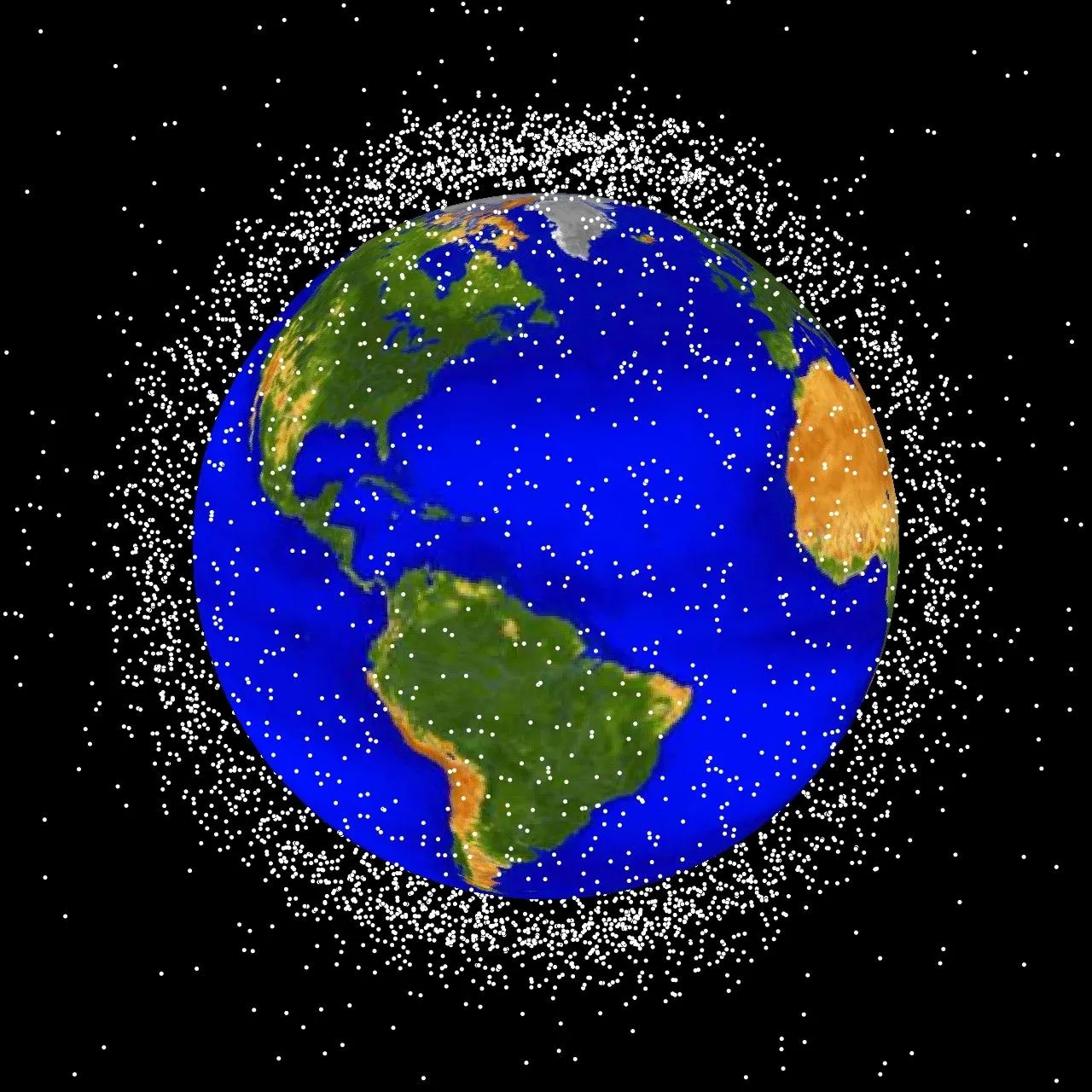
On 15 November 2021, Russia launched an A-235 'Nudol' direct-ascent missile from the Plesetsk Cosmodrome and destroyed its own defunct Cosmos 1408 satellite at roughly 480 km altitude — a decayed orbit of about 465–490 km. The kinetic strike shattered the spacecraft into a debris field directly in the busiest, most inhabited part of low Earth orbit. Because the breakup occurred near the altitude of the International Space Station, the danger was immediate rather than theoretical — the cloud's orbit repeatedly intersected the station's path in the hours after the test.
The U.S. Space Surveillance Network catalogued more than 1,500 trackable fragments — later refined to roughly 1,780–1,790 tracked objects — along with thousands of smaller, untrackable pieces. As the debris cloud swept toward the ISS, the seven crew members aboard (four Americans, two Russians and a German) were ordered to don their spacesuits and shelter in their docked SpaceX Crew Dragon and Soyuz return vehicles, closing hatches to modules across successive passes so they could evacuate instantly if a strike occurred. Unlike the high-altitude Fengyun-1C and Iridium–Cosmos clouds, this one sat low enough to decay quickly: atmospheric drag, boosted by the rising activity of solar cycle 25, re-entered about three-quarters of the trackable fragments within a year. By early 2023 only around 300 pieces remained, and by late 2025 just a handful — on the order of five objects — were still in orbit.
Even though the cloud was comparatively short-lived, the test drew sweeping international condemnation. The United States and allied nations denounced it as reckless and dangerous, and it became a central example in the push for a moratorium on destructive, debris-generating ASAT testing — a pledge the U.S. and a growing list of countries subsequently adopted. Cosmos 1408 stands as the clearest modern demonstration that an anti-satellite test can put astronauts' lives at direct risk within minutes, and it sharpened global debate over norms of responsible behaviour in orbit.
Frequently asked questions
How many fragments did the Cosmos 1408 ASAT test create?
The strike generated more than 1,500 trackable fragments — later refined to roughly 1,780–1,790 catalogued objects — plus thousands of smaller pieces too small to track individually. All were created in the busy, inhabited low-Earth-orbit region near the ISS.
Did the debris threaten the International Space Station?
Yes, directly. The debris cloud's orbit repeatedly crossed the station's path, so the seven-person crew was ordered to put on their spacesuits and shelter in their docked SpaceX Crew Dragon and Soyuz return vehicles across successive passes, sealing off modules in case of an impact.
Is the Cosmos 1408 debris still in orbit?
Mostly not. Because the breakup happened low — around 480 km — atmospheric drag pulled the debris down quickly, aided by the rising solar cycle 25. About 75 percent of the trackable fragments re-entered within a year, roughly 300 remained by early 2023, and only about five pieces were still in orbit by late 2025.
What was the international response to the test?
It was widely condemned as reckless and dangerous by the United States and allied nations, given the immediate risk to the ISS crew. The event became a rallying point for banning destructive ASAT testing, and the U.S. and a growing number of countries subsequently pledged not to conduct such debris-generating tests.
Related
Data sourced from ESA Space Debris Office, NASA Orbital Debris Program Office, and U.S. Space Command catalog reporting. © SpaceOdysseyHub.