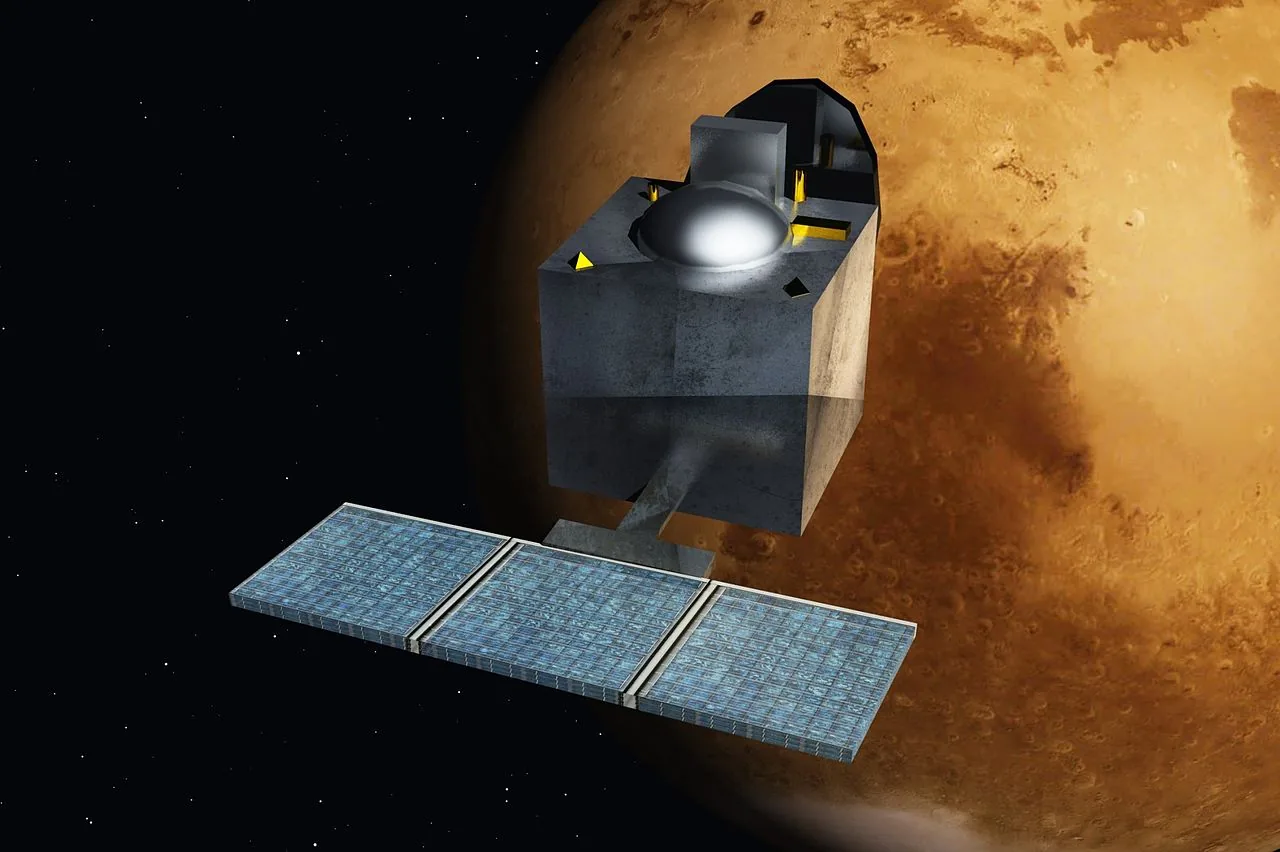
In September 2014, when India's Mars Orbiter Mission — Mangalyaan — successfully entered Martian orbit, it did so at a cost of approximately $74 million. That is less than the production budget of the Hollywood film Gravity. The moment crystallized what the Indian space program has always been: a masterclass in doing more with less, in turning constraints into competitive advantages, and in proving that space exploration is not the exclusive domain of superpowers with bottomless budgets.
India's journey from launching sounding rockets on bicycle carriers in the fishing village of Thumba to becoming the fourth nation to soft-land on the Moon is one of the most remarkable stories in the history of science and technology. It is a story of visionary scientists, political will, frugal engineering, and a philosophy that insists space technology must serve the common citizen.
This is Part 1 of a comprehensive two-part series on the Indian space industry. Here, we trace the full arc of India's government-led space program — from its origins in the 1960s through its landmark missions, satellite constellations, and the infrastructure that makes it all possible. In Part 2, we turn to the explosive growth of India's private space sector, the investment landscape, and the opportunities and challenges that lie ahead.
At a Glance: ISRO Missions and Launchers
Before diving into the full narrative, the two tables below offer a fast reference to India's signature missions and the launch vehicles that put them in space. Use them as a roadmap — every entry is unpacked in detail later in the article.
Major ISRO Missions (1975–2026)
| Year | Mission | Type | Launcher | Outcome | Significance |
|---|---|---|---|---|---|
| 1975 | Aryabhata | First Indian satellite | Soviet Kosmos-3M | Operational ~5 days | India enters the space age |
| 1980 | Rohini RS-1 | First indigenous orbital launch | SLV-3 | Success | First satellite launched by an Indian rocket |
| 1992 | INSAT-2A | Communications | Ariane | Success | First indigenously built Indian COMSAT |
| 1999 | PSLV-C2 (first commercial flight) | Commercial multi-payload | PSLV | Success | India enters the foreign-payload market |
| 2008 | Chandrayaan-1 | Lunar orbiter | PSLV-XL | Success | Discovered water on the Moon |
| 2013 | Mangalyaan / MOM | Mars orbiter | PSLV-XL | Success | First Asian Mars mission; first nation to reach Mars on its first try |
| 2014 | GSLV Mk II (D5) maiden flight | Cryogenic launcher debut | GSLV Mk II | Success | First flight with indigenous cryogenic upper stage |
| 2017 | PSLV-C37 | Multi-payload (104 sats in one launch) | PSLV-XL | Success | World record at the time (since broken) |
| 2019 | Chandrayaan-2 | Orbiter + lander + rover | GSLV Mk III | Orbiter success; Vikram lander crashed | Orbiter still operating and returning data |
| 2023 | Chandrayaan-3 | Lunar lander + Pragyan rover | LVM3 | Success | First soft landing near the lunar south pole |
| 2023 | Aditya-L1 | Solar observatory at Sun-Earth L1 | PSLV-XL | Success | First Indian solar mission |
| 2024 | XPoSat | X-ray polarimetry observatory | PSLV-DL | Success | Second X-ray polarimetry mission worldwide |
| 2024 | SSLV-D3 | Maiden operational SSLV (EOS-08) | SSLV | Success | Small-sat launcher declared operational |
| 2025–2026 | Gaganyaan G1, G2 (uncrewed test flights) | Crew capsule qualification | LVM3 (human-rated) | Verify outcomes | Final qualification before crewed flight |
| 2026–2027 (planned) | Gaganyaan H1 (crewed) | First Indian crewed orbital mission | LVM3 (human-rated) | In preparation | First Indian astronauts to orbit on an Indian vehicle |
| 2027 (planned) | Chandrayaan-4 | Lunar sample return | LVM3 | In preparation | Second nation to attempt lunar sample return after China |
| 2028 (planned) | NISAR | NASA-ISRO Earth-observation radar | GSLV | In preparation | Flagship NASA-ISRO joint mission |
| 2035 (planned) | Bharatiya Antariksh Station | Indian space station | LVM3 / NGLV | Concept | India's own crewed orbital outpost |
Indian Launch Vehicles (Active Fleet 2026)
| Launcher | First Flight | Payload to LEO | Payload to GTO | Status | Use Cases |
|---|---|---|---|---|---|
| SSLV | 2022 | 500 kg | n/a | Operational (commercial) | Small-sats, fast turnaround, dedicated rideshare |
| PSLV | 1993 | 3,800 kg | 1,400 kg (PSLV-XL) | Workhorse — 60+ flights | Earth observation, multi-payload, foreign commercial |
| GSLV Mk II | 2001 | 6,000 kg | 2,500 kg | Limited use; being phased out | INSAT/GSAT replacements, NISAR-class missions |
| LVM3 / GSLV Mk III | 2014 | 10,000 kg | 4,000 kg | Operational | Heavy-lift, lunar, Gaganyaan, OneWeb commercial |
| NGLV (Soorya) | Maiden flight ~2030 target | 20,000 kg+ | TBD | In development | Reusable / partial-reuse architecture; LVM3 successor |
ISRO mission outcomes verified against ISRO's official mission archive. Future Gaganyaan/Chandrayaan-4 dates are based on the most recent ISRO statements and are subject to change.
The Genesis: Vikram Sarabhai's Vision and the Thumba Era (1962–1975)
The Indian space program was born not from military ambition or geopolitical rivalry, but from a profound belief in the power of technology to transform a developing nation. Its founding father, Dr. Vikram Ambalal Sarabhai, articulated this philosophy with characteristic clarity:
"There are some who question the relevance of space activities in a developing nation. To us, there is no ambiguity of purpose. We do not have the fantasy of competing with the economically advanced nations in the exploration of the moon or the planets or manned space-flight. But we are convinced that if we are to play a meaningful role nationally, and in the community of nations, we must be second to none in the application of advanced technologies to the real problems of man and society."
This 1969 statement remains the philosophical bedrock of the Indian space program more than five decades later. Sarabhai, a Cambridge-educated physicist from a prominent Ahmedabad industrialist family, understood that for a nation grappling with poverty, illiteracy, and underdevelopment, space technology could be a transformative force — enabling telecommunications across vast distances, weather forecasting for farmers, disaster management, and resource mapping.
The Indian National Committee for Space Research (INCOSPAR) was established in 1962 under the Department of Atomic Energy, with Sarabhai as its chairman. The organization's first significant milestone came on November 21, 1963, when a Nike-Apache sounding rocket was launched from the Thumba Equatorial Rocket Launching Station (TERLS) near Thiruvananthapuram, Kerala. The images from that era are now legendary — rocket parts transported on bicycles and bullock carts to a launch site housed in a former church, with the bishop's house serving as the office and a cattle shed as the workshop.
As Dr. APJ Abdul Kalam, who would go on to become India's 11th President, recalled of those early days: "We had no money, we had no laboratory, we had no infrastructure. What we had was a vision and a determination to succeed."
INCOSPAR evolved into the Indian Space Research Organisation (ISRO) in 1969, and the Department of Space (DOS) was created in 1972 to oversee India's space activities, reporting directly to the Prime Minister. This direct reporting structure — unusual among space agencies globally — gave ISRO both political protection and bureaucratic agility.
The early 1970s saw India develop its own sounding rockets (the Rohini series) and begin work on satellite technology. The Aryabhata satellite, India's first, was launched on April 19, 1975 — though it rode a Soviet Kosmos-3M rocket from Kapustin Yar, as India did not yet have its own launch vehicle. Named after the 5th-century Indian mathematician, Aryabhata was designed for experiments in X-ray astronomy, aeronomics, and solar physics. While a power failure cut its mission short after five days, it proved that Indian engineers could design and build spacecraft.
Tragically, Vikram Sarabhai did not live to see Aryabhata launch. He passed away on December 30, 1971, at the age of 52. But the institutional architecture he built — ISRO, the Physical Research Laboratory, the Space Applications Centre, and the culture of frugal excellence — would carry India to achievements he could scarcely have imagined.
Building the Backbone: SLV, ASLV, and the PSLV Revolution (1975–2000)
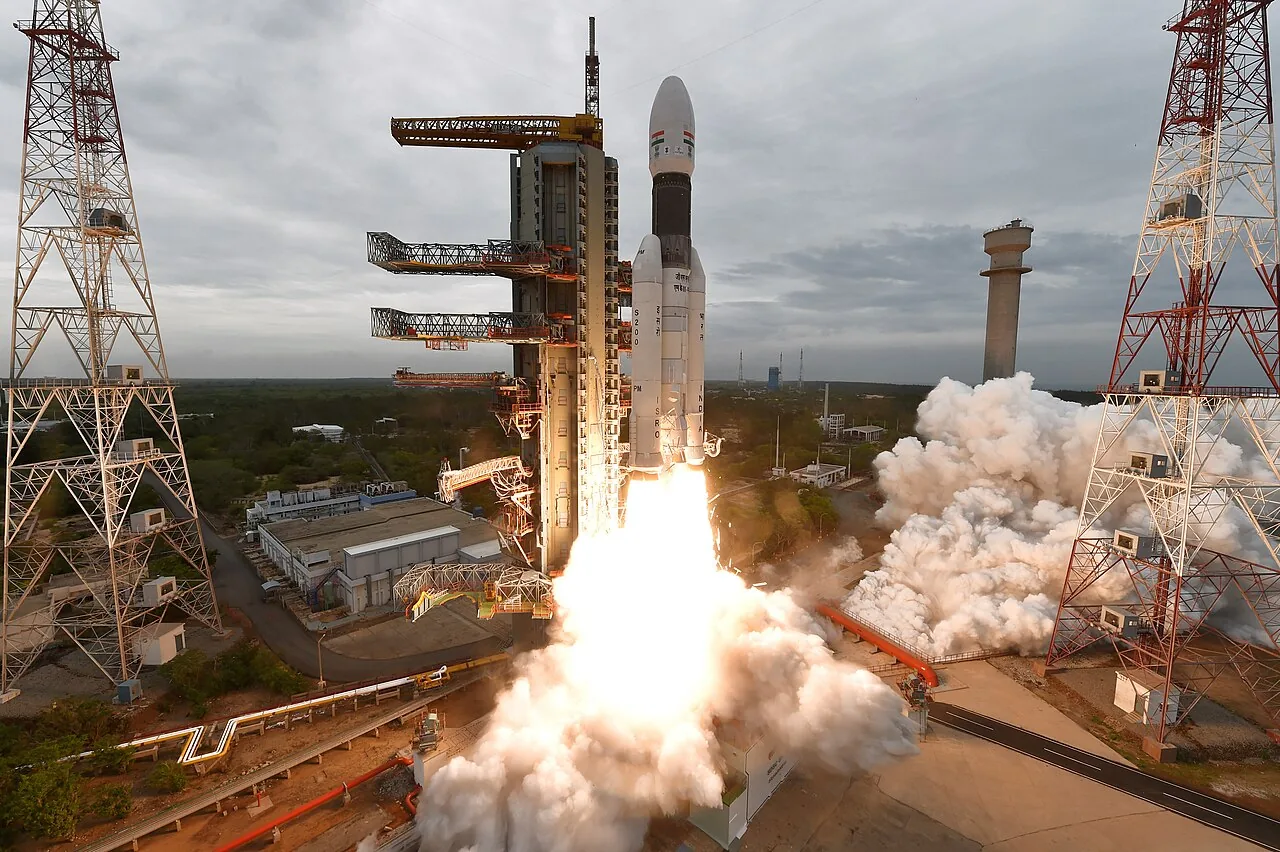
The quarter-century from 1975 to 2000 was the period in which India built the foundational capabilities — in launch vehicles, satellites, and ground infrastructure — that would enable its later breakthroughs.
The Satellite Launch Vehicle (SLV) Program
India's first indigenous launch vehicle, the SLV-3, was a four-stage, solid-propellant rocket designed to place 40 kg payloads into low Earth orbit. The program was led by Dr. APJ Abdul Kalam, then a young engineer at ISRO. The first launch attempt on August 10, 1979, failed when the second stage malfunctioned. But on July 18, 1980, SLV-3 successfully placed the Rohini RS-1 satellite into orbit, making India the sixth nation to develop its own orbital launch capability — after the Soviet Union, United States, France, Japan, and China.
Kalam later reflected on the experience: "If you want to shine like a sun, first burn like a sun. We learned from our failure in 1979, and that learning made the 1980 success possible."
The PSLV: India's Workhorse
The Polar Satellite Launch Vehicle (PSLV) is, without question, the crown jewel of Indian launch vehicle engineering. First flown in 1993, it has become one of the most reliable rockets in the world, with a success rate exceeding 98% over more than 60 missions.
The PSLV was designed to place Indian Remote Sensing (IRS) satellites into sun-synchronous polar orbits. Its four-stage design — alternating solid and liquid propulsion stages, with six strap-on boosters — was an elegant engineering solution that gave it both the thrust to escape Earth's gravity and the precision to deliver payloads to exact orbital parameters.
What made the PSLV transformative was not just its reliability but its versatility and affordability. ISRO began offering commercial launch services through its commercial arm, Antrix Corporation, and later NewSpace India Limited (NSIL). By undercutting Western launch providers on price while matching them on reliability, India carved out a significant niche in the global commercial launch market.
The PSLV's most spectacular demonstration of capability came on February 15, 2017, when the PSLV-C37 mission set a world record by deploying 104 satellites in a single launch — 101 of them belonging to international customers from the United States, Netherlands, Switzerland, Israel, Kazakhstan, and the UAE. The mission required the rocket to orient itself precisely multiple times over a span of approximately 30 minutes, releasing satellites in different directions to avoid collisions. Former ISRO Chairman Dr. K. Sivan called it "a technological marvel and a moment of immense national pride."
The GSLV: Mastering Cryogenic Technology
While the PSLV handled polar orbits, India needed a heavier-lift vehicle to place communication satellites into geostationary transfer orbit (GTO). The Geosynchronous Satellite Launch Vehicle (GSLV) program faced its most significant challenge in developing indigenous cryogenic upper-stage technology.
The story of India's cryogenic engine is also a story of geopolitics. In 1991, ISRO signed a deal with the Soviet space agency Glavkosmos for cryogenic engines and technology transfer. The United States, citing missile technology proliferation concerns under the MTCR (Missile Technology Control Regime), pressured Russia into canceling the technology transfer component of the deal. India received the engines but not the know-how to build them.
This setback, paradoxically, became a catalyst. ISRO embarked on a determined indigenous cryogenic engine development program. After multiple failures — the GSLV failed in 2010 with a developmental cryogenic upper stage — ISRO finally achieved success on January 5, 2014, when the GSLV-D5 mission successfully launched with an indigenous cryogenic upper stage (CUS). India became only the sixth country (after the US, Russia, France, Japan, and China) to master cryogenic rocket propulsion.
Former President Dr. APJ Abdul Kalam, by then a national icon, praised the achievement: "The cryogenic engine success is a testimony to the self-reliance and technological capability of India. When technology is denied, you develop it yourself — and often you develop something better."
Reaching for the Moon: Chandrayaan Program
Chandrayaan-1 (2008): India Discovers Water on the Moon
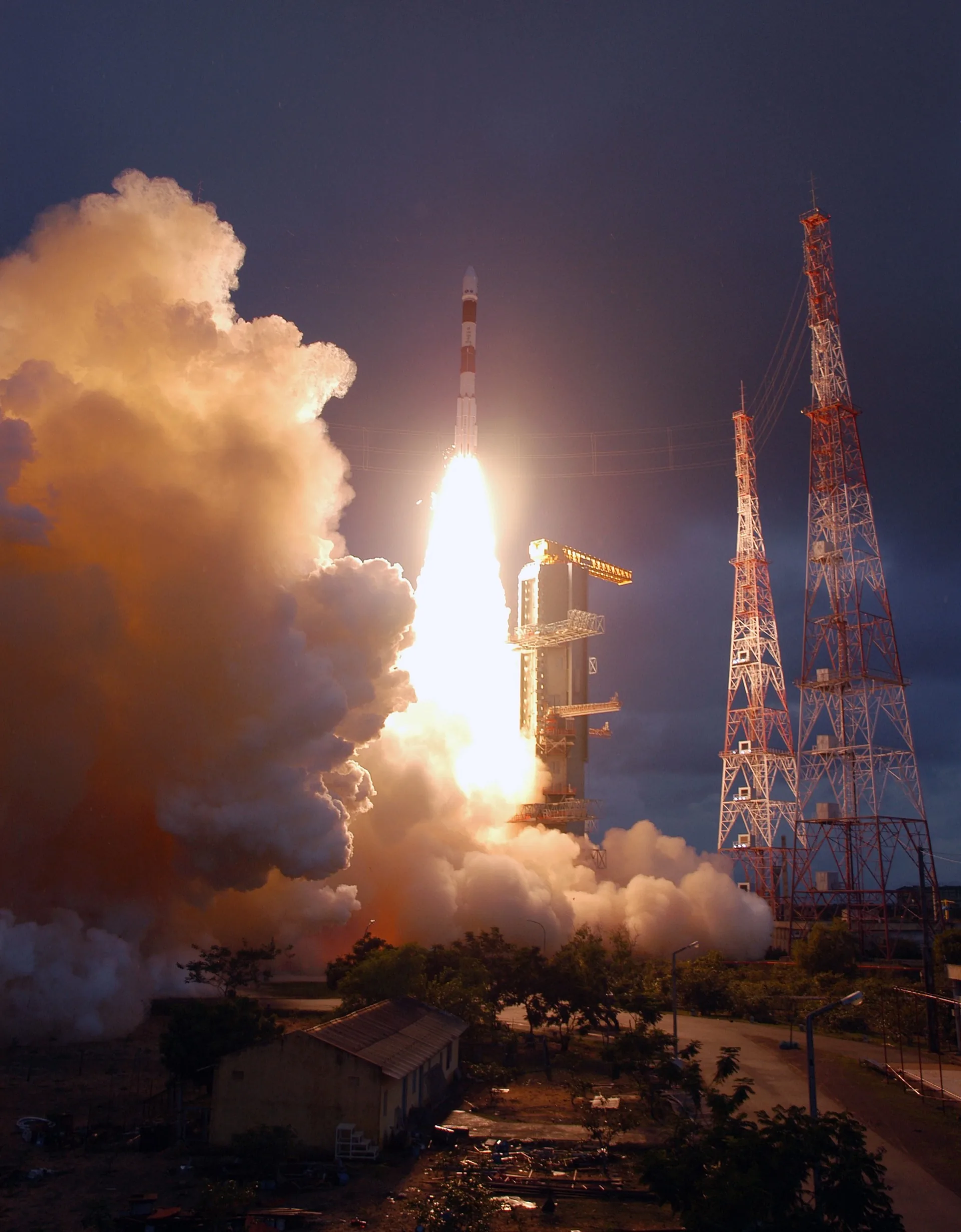
India's first lunar mission, Chandrayaan-1, launched on October 22, 2008, from the Satish Dhawan Space Centre in Sriharikota aboard a PSLV-XL rocket. The mission carried 11 scientific instruments — five from India, three from ESA, two from NASA, and one from Bulgaria — making it a genuinely international scientific endeavor.
Chandrayaan-1's most momentous contribution to science came from NASA's Moon Mineralogy Mapper (M3) instrument, which detected unambiguous evidence of water molecules on the lunar surface. This discovery, confirmed in September 2009, fundamentally changed humanity's understanding of the Moon and reinvigorated global interest in lunar exploration.
The mission's Moon Impact Probe (MIP), designed by Dr. APJ Abdul Kalam's team, was released on November 14, 2008 — Indian Children's Day — and deliberately crashed into the Shackleton Crater near the lunar south pole, making India the fourth nation to place its flag on the Moon.
Then-Prime Minister Dr. Manmohan Singh called it "a giant step for India's scientific community and a proud moment for every Indian citizen."
Though the mission was designed for two years, contact was lost after 312 days due to a thermal issue. But Chandrayaan-1 had already exceeded expectations, completing 95% of its scientific objectives and establishing India as a serious lunar science player.
Chandrayaan-2 (2019): The Near-Miss That Taught Resilience
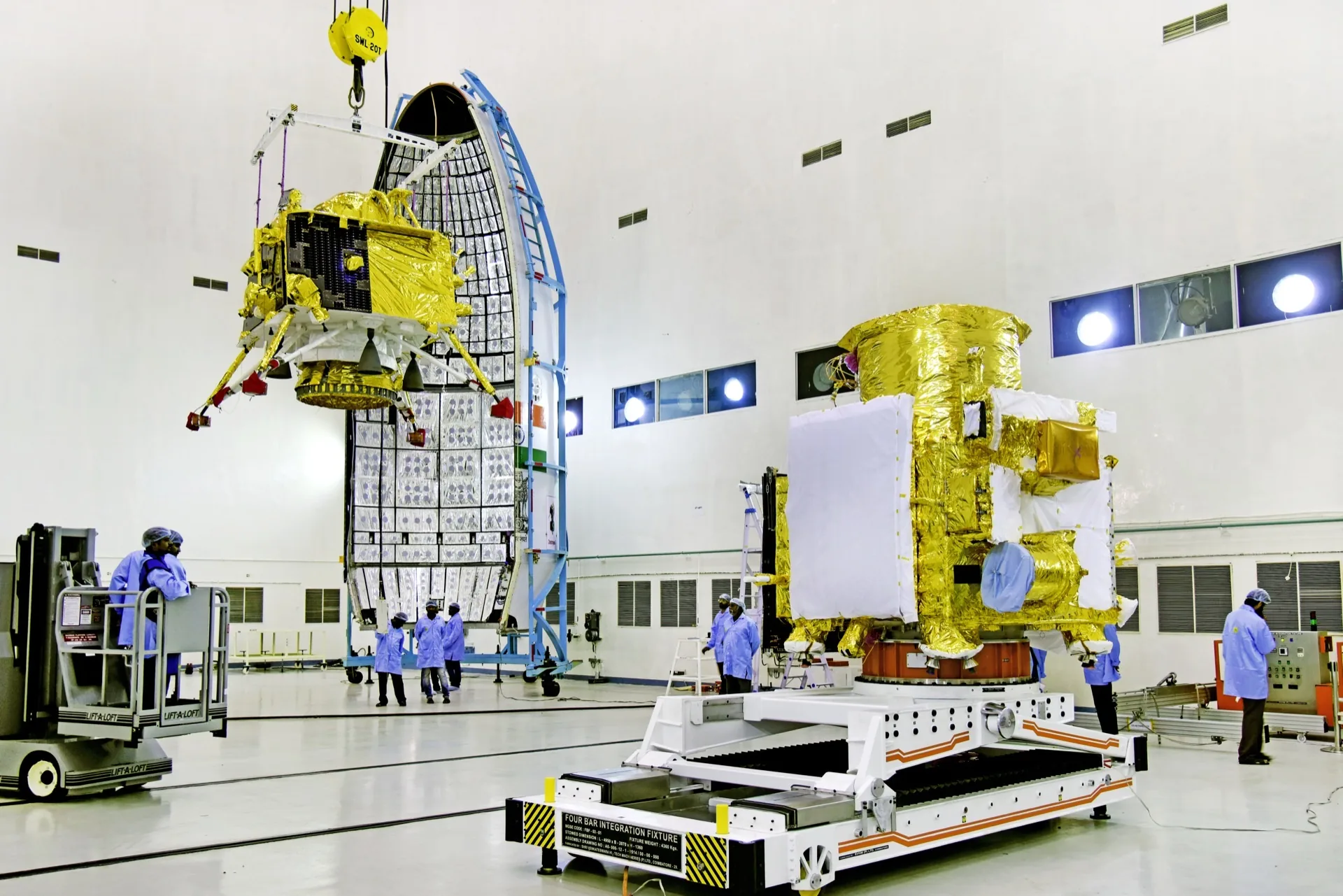
Chandrayaan-2, launched on July 22, 2019, was far more ambitious — it included an orbiter, a lander (Vikram), and a rover (Pragyan). The mission aimed to soft-land near the lunar south pole, a region no nation had previously reached.
On September 7, 2019, the Vikram lander lost communication during its final descent, just 2.1 kilometers above the surface. The nation watched in collective anguish. In a moment that resonated globally, Prime Minister Narendra Modi visited the ISRO control center in Bengaluru and embraced a visibly emotional ISRO Chairman K. Sivan, telling him: "The nation is proud of you. Be courageous. Our best is yet to come."
The Chandrayaan-2 orbiter, however, continues to function and has produced outstanding scientific data, including high-resolution mapping of the lunar surface and detection of minor elements in the lunar soil.
NASA Administrator Jim Bridenstine praised the mission: "Space is hard. We commend ISRO's effort to land their Chandrayaan 2 mission on the Moon's south pole. You have inspired us with your journey and look forward to future opportunities to explore our solar system together."
Chandrayaan-3 (2023): Making History at the Lunar South Pole
On August 23, 2023, India etched its name permanently into the history of space exploration. The Chandrayaan-3 lander, also named Vikram, touched down near the lunar south pole at 69.37°S latitude — making India the fourth country to soft-land on the Moon (after the Soviet Union, United States, and China) and the first to land near the south pole.
The Pragyan rover rolled onto the lunar surface and conducted in-situ experiments, including the first-ever direct measurement of sulfur on the lunar surface using a Laser-Induced Breakdown Spectroscopy (LIBS) instrument. It also detected aluminum, calcium, iron, chromium, titanium, manganese, silicon, and oxygen.
Prime Minister Modi, watching from South Africa where he was attending the BRICS summit, declared: "India is now on the Moon. This success belongs to all of humanity, and it will help moon missions by other countries in the future. I am confident that all countries in the world, including those from the Global South, are capable of achieving such feats. We can all aspire for the Moon and beyond."
The response from world leaders was extraordinary. US President Joe Biden called PM Modi to congratulate India, and NASA Administrator Bill Nelson said: "Congratulations to India on being the 4th country to successfully soft-land a spacecraft on the Moon. We're glad to be your partner on this mission!"
European Space Agency Director General Josef Aschbacher tweeted: "Congratulations India, congratulations ISRO for the successful landing of Chandrayaan-3 on the South Pole of the Moon. This is a remarkable achievement."
The Chandrayaan-3 mission cost approximately $75 million — a fraction of the billions spent by other nations on comparable missions — once again demonstrating ISRO's philosophy of "jugaad" (frugal innovation) applied to rocket science.
The Mars Triumph: Mangalyaan and India's Interplanetary Debut
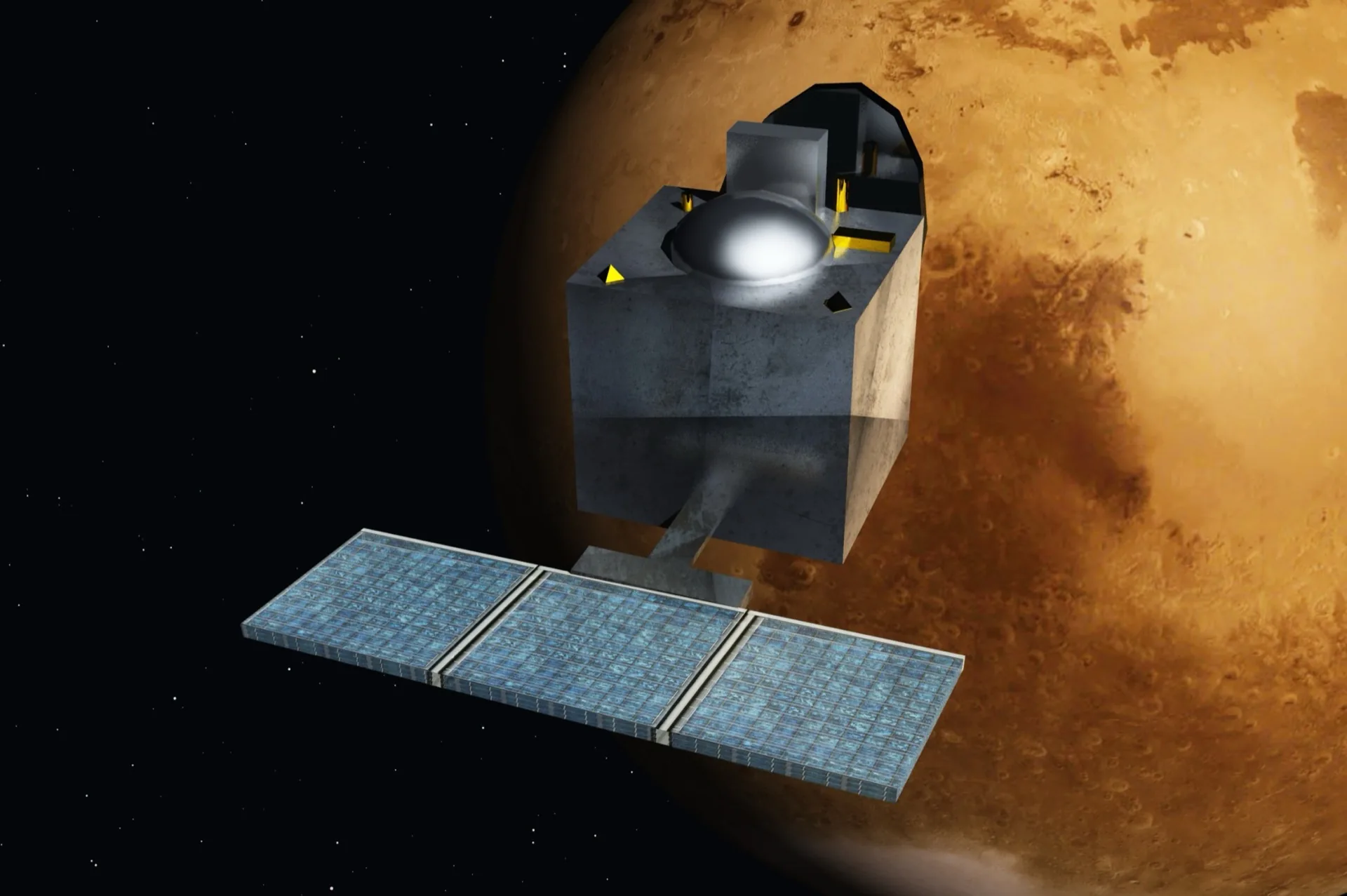
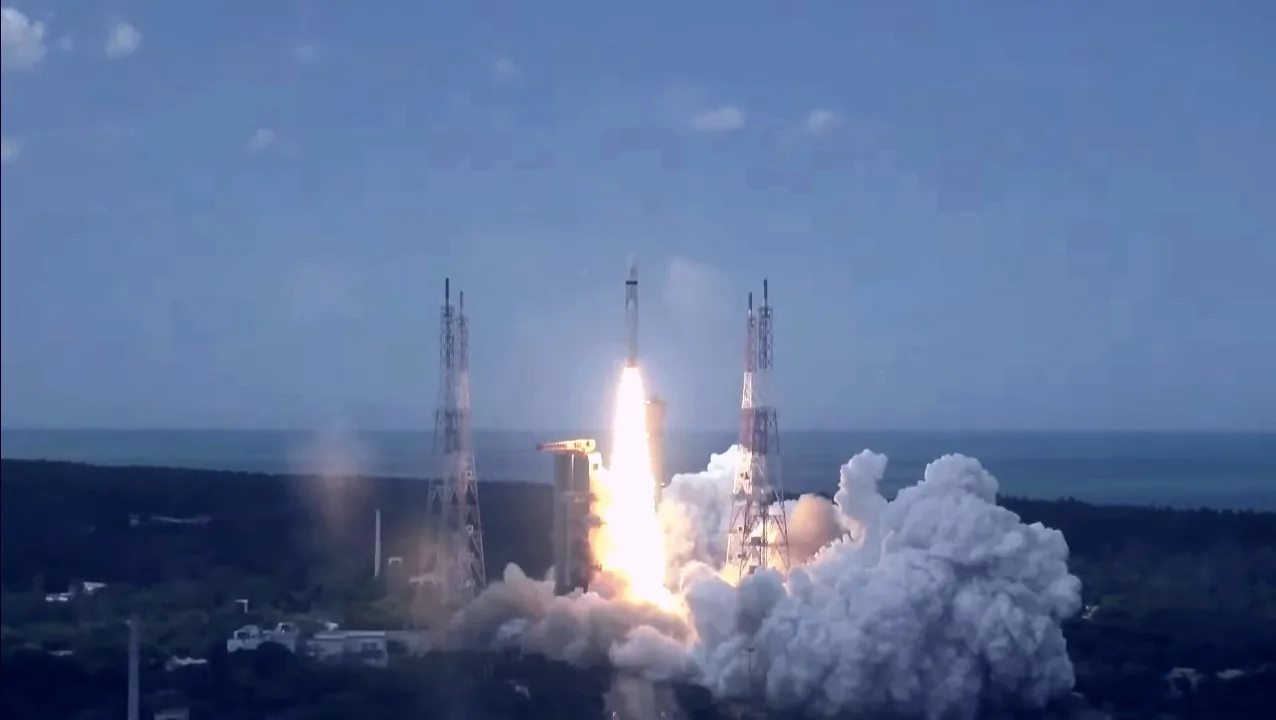
On November 5, 2013, ISRO launched the Mars Orbiter Mission (MOM), colloquially known as Mangalyaan, from Sriharikota aboard a PSLV-XL. On September 24, 2014, MOM entered Martian orbit on its first attempt — an achievement that had eluded the United States, Soviet Union, China, Japan, and ESA on their first Mars attempts.
The mission's cost of approximately $74 million was a fraction of NASA's $671 million MAVEN Mars orbiter, which arrived at Mars just two days before Mangalyaan. The comparison became a global talking point. Indian media pointed out that the per-kilometer cost of Mangalyaan's journey was less than a typical auto-rickshaw fare in Indian cities.
The achievement was particularly remarkable because the PSLV lacked the power to send MOM directly to Mars. ISRO engineers devised an ingenious trajectory: the spacecraft spent nearly a month in Earth orbit, using a series of orbital-raising maneuvers to build up the velocity needed for a trans-Mars injection. This approach — born of the PSLV's payload limitations — demonstrated the kind of creative problem-solving that defines ISRO.
Former ISRO Chairman Dr. K. Radhakrishnan, who led the Mangalyaan mission, said: "MOM has demonstrated our capability to reach Mars orbit in our very first attempt. This is a matter of pride for the entire country. We have done it at a fraction of the cost by being smart in the way we design and operate missions."
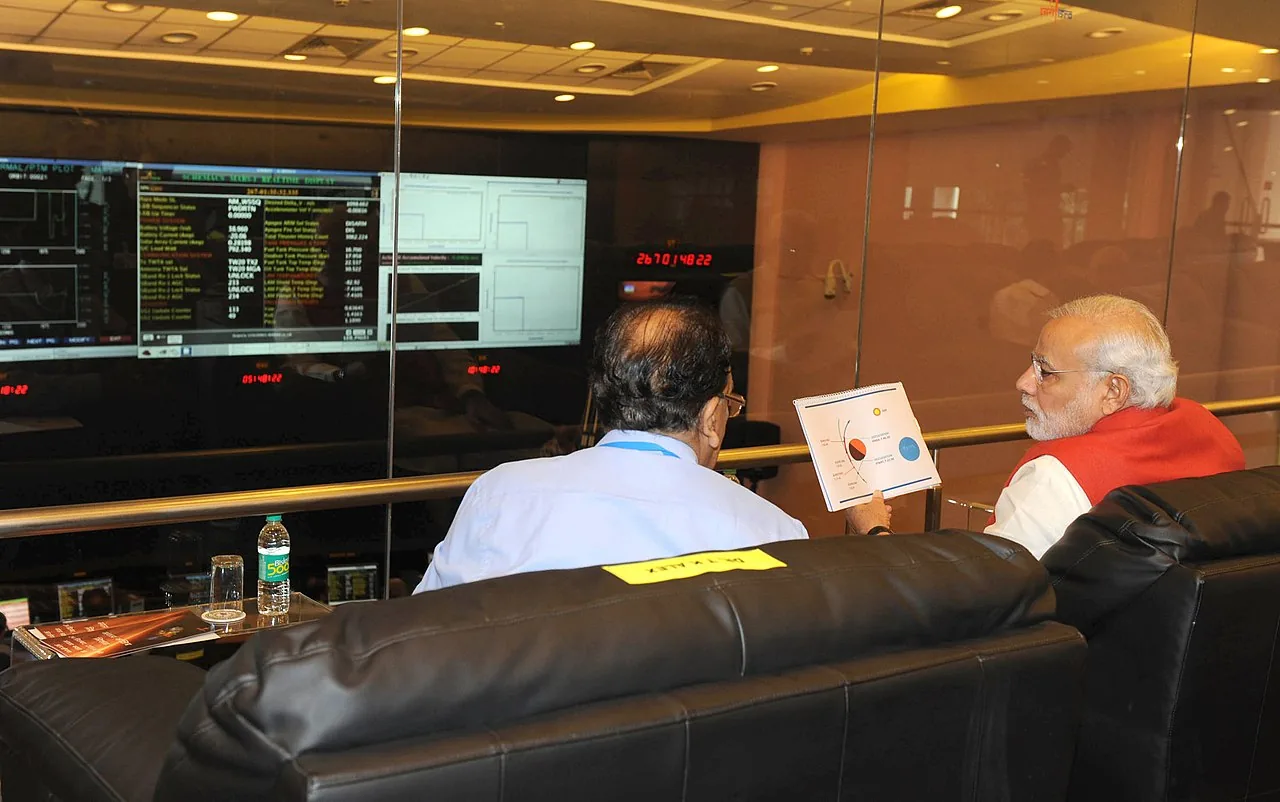
Prime Minister Modi captured the public imagination when he said: "We have dared to reach out into the unknown and have achieved the near-impossible. The success of our space program is a shining symbol of what we are capable of as a nation."
Mangalyaan operated for over eight years — far exceeding its designed six-month mission life — before ISRO declared it non-recoverable in 2022 when it ran out of propellant. During its operational life, it captured stunning images of the Martian surface, studied the planet's atmosphere, and detected dust storms.
India's Satellite Constellations: The Backbone of a Digital Nation
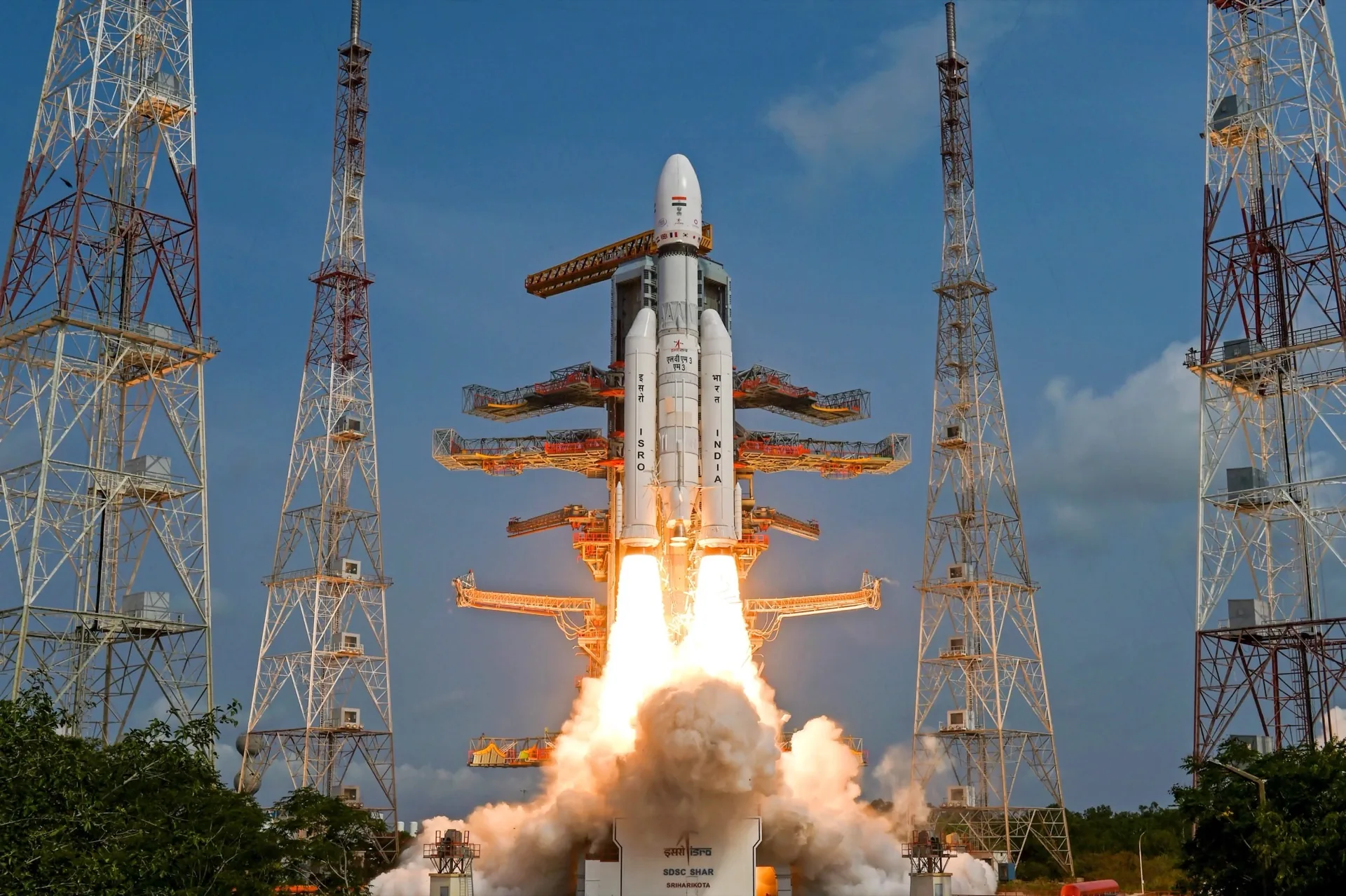
While lunar and Mars missions capture headlines, it is India's vast satellite infrastructure that most directly impacts the lives of its 1.4 billion citizens. ISRO has built and operates some of the world's most extensive civilian satellite systems.
INSAT and GSAT: Communication and Broadcasting
The Indian National Satellite System (INSAT), first launched in 1983, revolutionized telecommunications, television broadcasting, weather forecasting, and disaster warning across the Indian subcontinent. Before INSAT, vast parts of rural India had no access to television or reliable telecommunications. The INSAT series, followed by the GSAT series, created the backbone for India's telecommunications revolution.
Today, India operates over 50 communication satellites in geostationary orbit, providing:
- Television broadcasting to over 200 million households
- Telemedicine connecting rural health centers to urban specialist hospitals
- Tele-education reaching remote villages through the EDUSAT program
- Disaster warning systems that have saved countless lives during cyclones, tsunamis, and floods
- VSAT connectivity for banking, governance, and commerce in remote areas
The societal impact has been immense. During Cyclone Phailin in 2013, INSAT weather satellites provided early warnings that enabled the evacuation of nearly one million people from Odisha's coast — resulting in a death toll of just 45, compared to the 10,000 who perished in a comparable 1999 cyclone. Former ISRO Chairman Dr. Madhavan Nair noted: "The value of INSAT to India's development cannot be measured in rupees. It has been a lifeline for weather forecasting, disaster management, and connecting the unconnected."
IRS and Cartosat: Eyes on the Earth
The Indian Remote Sensing (IRS) satellite program is one of the world's largest civilian remote sensing programs. Launched since 1988, IRS satellites provide data for:
- Agriculture: Crop monitoring, soil moisture assessment, drought prediction, and crop insurance verification. The Fasal (Forecasting Agricultural output using Space, Agro-meteorology and Land-based observations) project uses satellite data to predict crop yields nationwide.
- Water resources: Watershed mapping, groundwater potential estimation, and flood monitoring.
- Urban planning: High-resolution mapping for Smart Cities Mission projects.
- Forestry: Forest cover monitoring, fire detection, and biodiversity assessment.
- Disaster management: Real-time flood mapping, earthquake damage assessment, and landslide monitoring.
The Cartosat series provides high-resolution imagery (down to 0.25-meter resolution with Cartosat-3), making India self-reliant in high-resolution satellite imagery — a capability with significant strategic and economic value.
NavIC: India's Own GPS
The Navigation with Indian Constellation (NavIC), originally called the Indian Regional Navigation Satellite System (IRNSS), is India's independent regional satellite navigation system. Operational since 2018, NavIC provides positioning accuracy of better than 10 meters over India and the surrounding region extending 1,500 km beyond India's borders.
NavIC was developed after the Kargil War of 1999, when India was denied access to GPS data by the United States during the conflict. The experience convinced India's defense and strategic community that reliance on a foreign navigation system was a critical vulnerability.
NavIC consists of seven satellites — three in geostationary orbit and four in geosynchronous orbits — and provides both Standard Positioning Service (open to all users) and Restricted Service (encrypted, for authorized users including the military). The Indian government has mandated NavIC compatibility in smartphones sold in India, and the system is increasingly integrated into fishing boats, disaster management, and transportation.
NISAR: A New Frontier in Earth Observation
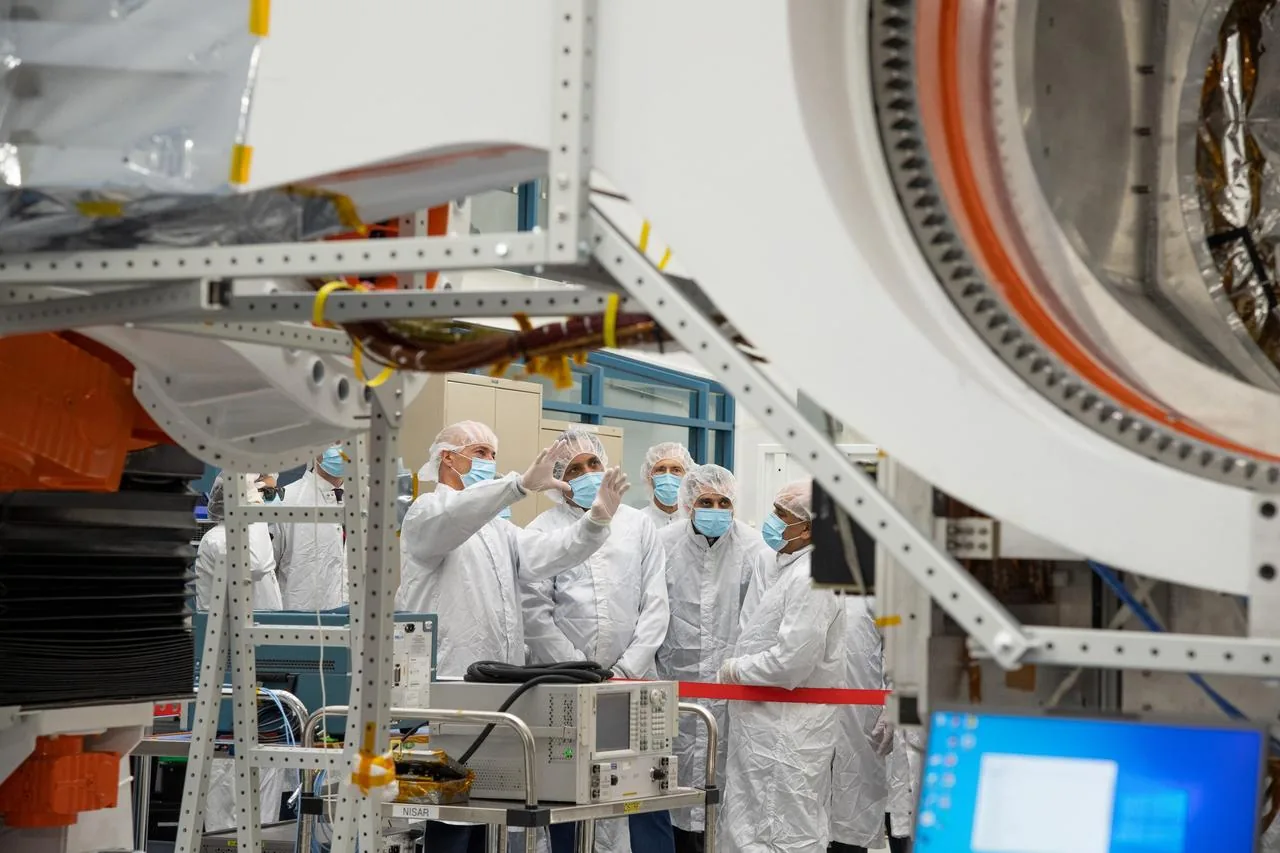
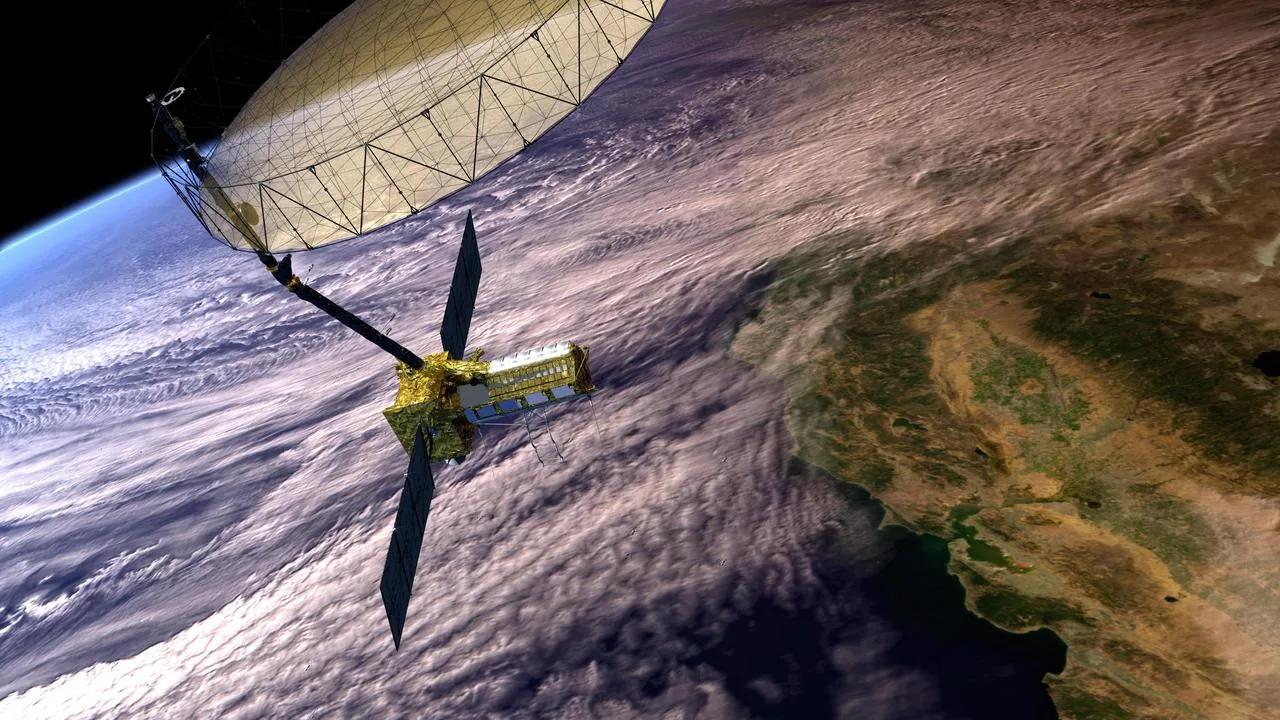
One of the most significant ongoing India-US space collaborations is the NASA-ISRO Synthetic Aperture Radar (NISAR) mission. NISAR is a joint Earth-observation satellite that carries two radar systems — NASA's L-band SAR and ISRO's S-band SAR — and will map the entire globe every 12 days, providing unprecedented data on ecosystem changes, ice sheet dynamics, sea-level rise, groundwater depletion, and natural hazards.
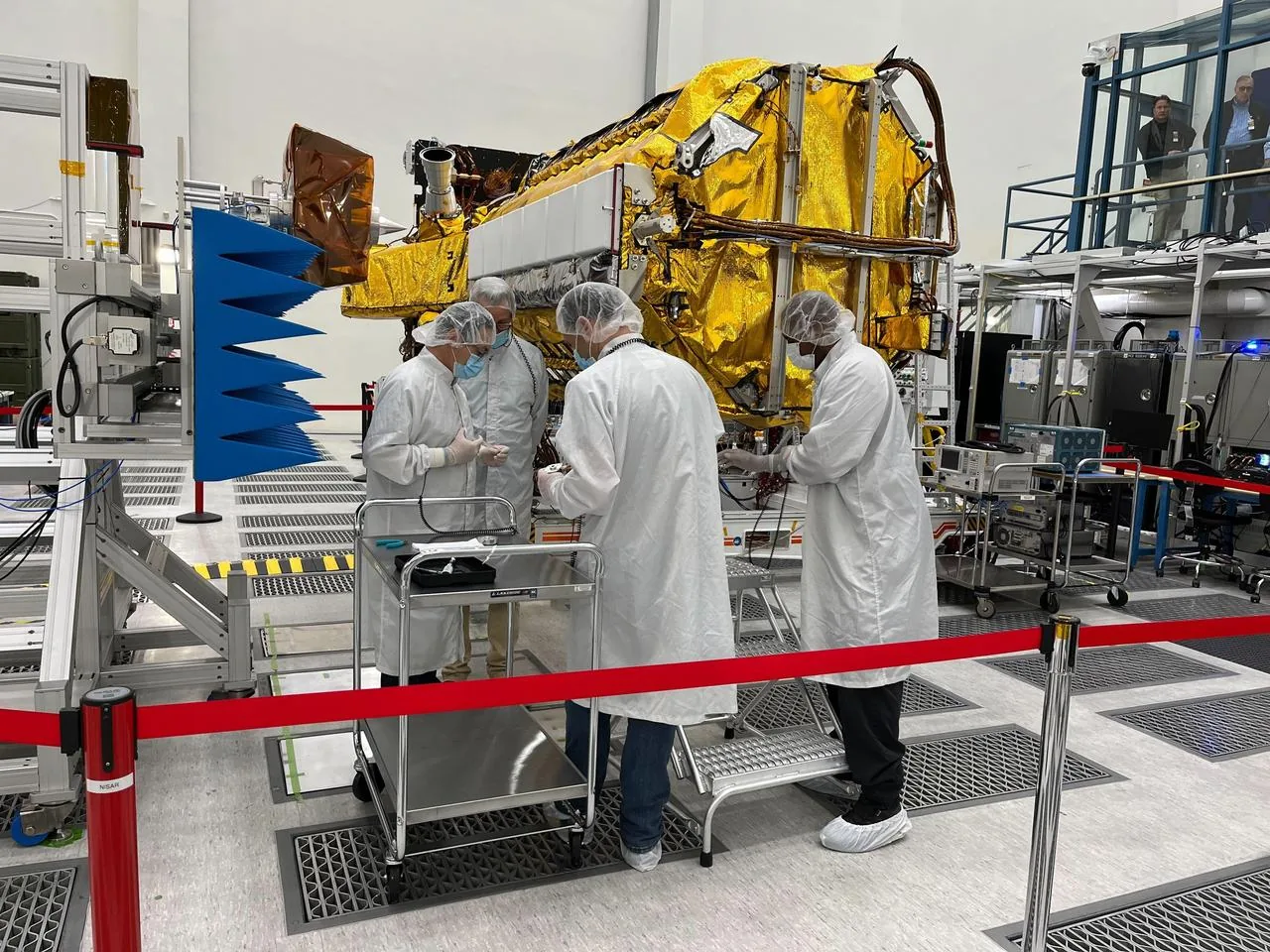
Launched on March 28, 2025, from the Satish Dhawan Space Centre aboard a GSLV Mk II rocket, NISAR represents a $1.5 billion investment and is the most expensive Earth-observation satellite ever built. NASA contributed approximately $800 million (providing the L-band radar, GPS receivers, and solid-state recorder), while ISRO contributed approximately $300 million (providing the S-band radar, the spacecraft bus, and the launch vehicle).
NASA Administrator Bill Nelson called NISAR "a shining example of what the United States and India can accomplish together in space. This satellite will provide critical data on our changing planet."
Gaganyaan: India's Human Spaceflight Dream
India's most ambitious current program is Gaganyaan — its maiden human spaceflight mission, designed to send Indian astronauts (called "Vyomanauts") to low Earth orbit aboard an indigenously developed spacecraft and launch vehicle.
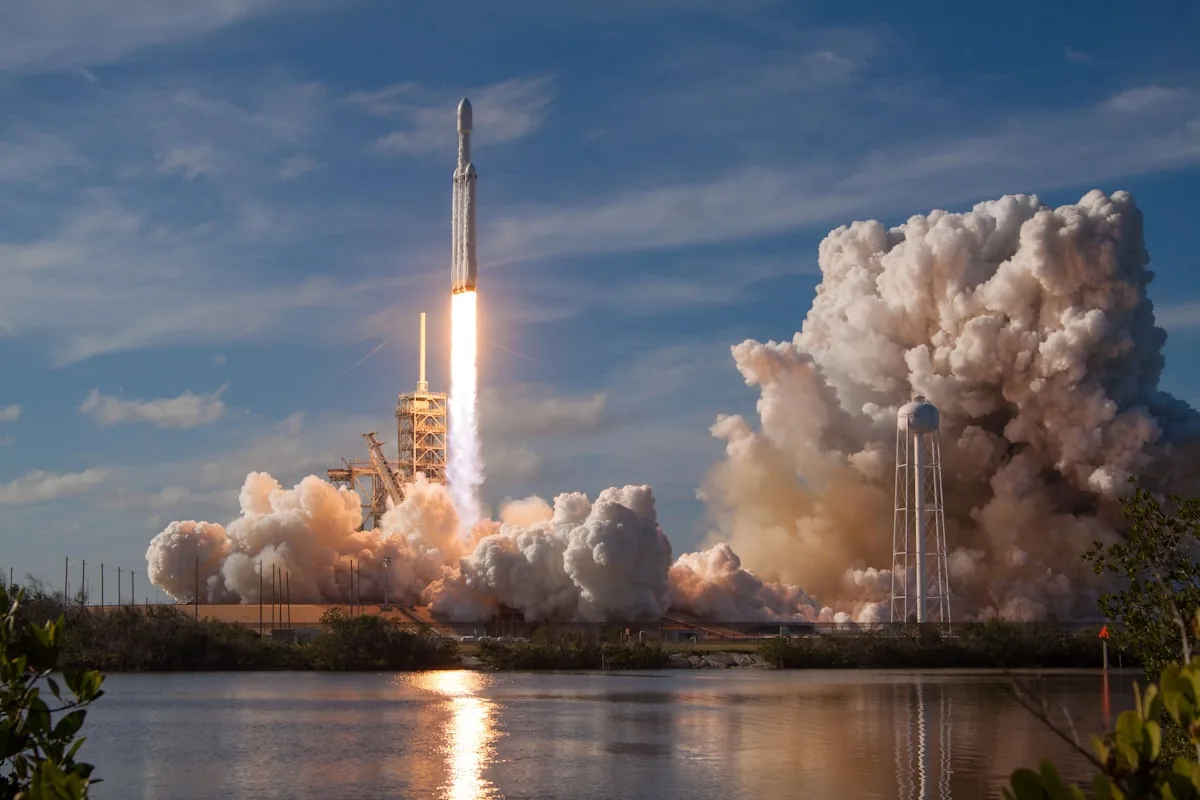
The program was formally announced by Prime Minister Modi during his 2018 Independence Day address from the Red Fort: "India will send a manned mission into space before the 75th anniversary of Independence [2022]... When India celebrates its 75th Independence Day in 2022, an Indian — be it a boy or girl — will go to space carrying the national flag."
While the COVID-19 pandemic and technical complexities have pushed the timeline, the program has made significant progress:
- Crew Module: The Gaganyaan crew module, capable of carrying three astronauts, has undergone multiple tests including pad abort tests and crew escape system demonstrations.
- Vyomanaut Training: Four Indian Air Force fighter pilots were selected as astronaut candidates and underwent training at the Yuri Gagarin Cosmonaut Training Centre in Russia, followed by further training at ISRO facilities.
- LVM-3: The Launch Vehicle Mark-3 (formerly GSLV Mk III) has been human-rated for the Gaganyaan mission.
- Life Support Systems: ISRO has developed indigenous environmental control and life support systems (ECLSS) for the crew module.
- Uncrewed Tests: The program includes two uncrewed test flights before the crewed mission.
Notably, India achieved a related milestone in 2025 when Wing Commander Shubhanshu Shukla became the first Indian national to visit the International Space Station as part of the Axiom Mission 4 crew, in collaboration with NASA and Axiom Space. Shukla conducted scientific experiments aboard the ISS, including a joint ISRO-NASA investigation on plant growth in microgravity.
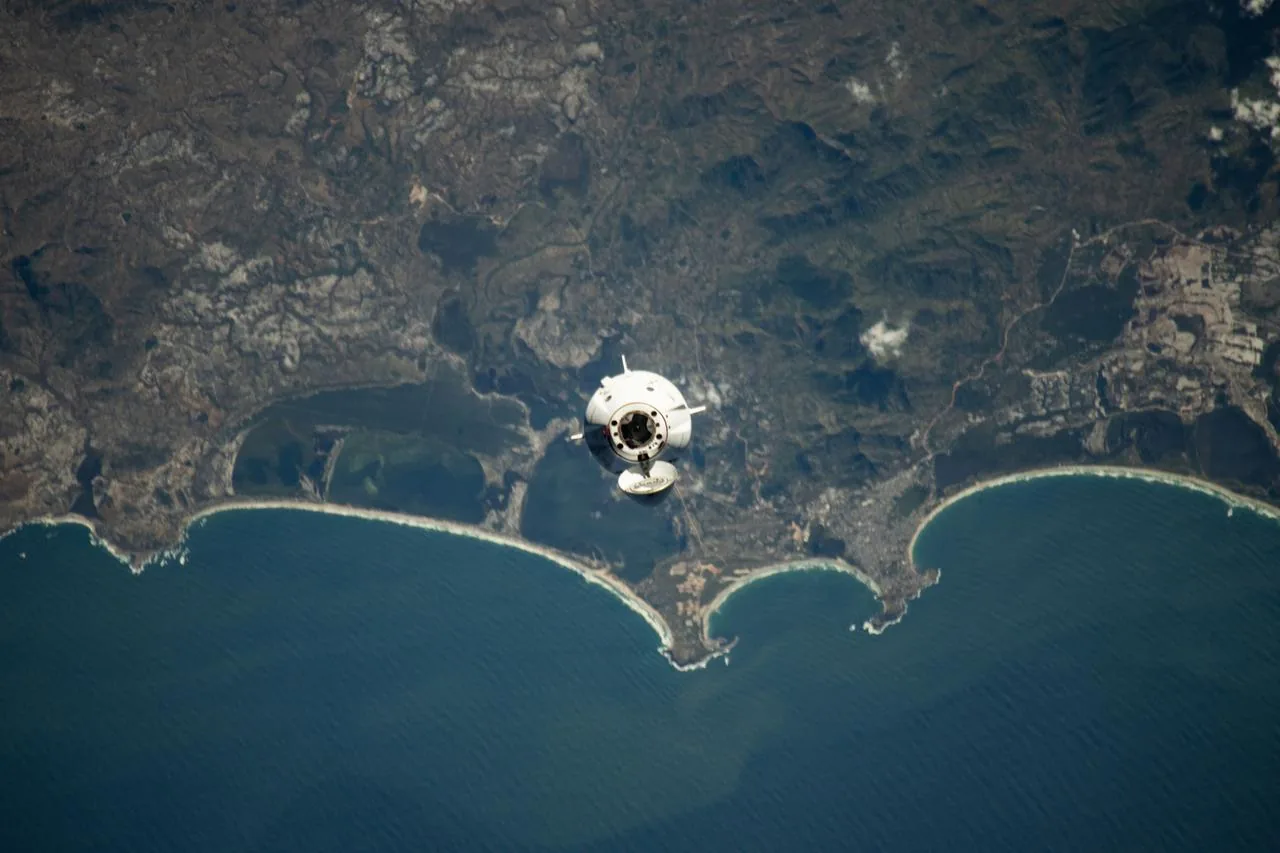
Prime Minister Modi spoke with Shukla during his ISS stay and said: "Shubhanshu, you have made every Indian proud. Your presence on the International Space Station is a symbol of India's growing stature in the global space community and a precursor to our own human spaceflight program."
The Infrastructure: Sriharikota, Bengaluru, and Beyond
India's space infrastructure spans the country, with facilities specializing in different aspects of the space program:
Satish Dhawan Space Centre (SDSC-SHAR), Sriharikota
Located on a barrier island off the coast of Andhra Pradesh, Sriharikota is India's primary launch facility. It has two launch pads and has been the site of every Indian orbital launch. Its location near the equator (13.7°N) provides a favorable orbital mechanics advantage, particularly for equatorial and geostationary orbit launches. ISRO is currently building a third launch pad dedicated to the Small Satellite Launch Vehicle (SSLV) and potentially for commercial operators.
ISRO Satellite Centre (U R Rao Satellite Centre), Bengaluru
Named after the legendary Dr. U R Rao — who led the Aryabhata and subsequent satellite programs — this facility in Bengaluru is where ISRO designs, builds, and tests its satellites. It is one of the most advanced spacecraft manufacturing facilities in the developing world.
Vikram Sarabhai Space Centre (VSSC), Thiruvananthapuram
The lead center for launch vehicle development, VSSC is where the PSLV, GSLV, and LVM-3 were designed and developed. It is named after the founder of the Indian space program.
Liquid Propulsion Systems Centre (LPSC), Valiamala and Mahendragiri
LPSC develops liquid and cryogenic propulsion systems. The Mahendragiri facility in Tamil Nadu houses high-altitude test facilities for rocket engine testing.
National Remote Sensing Centre (NRSC), Hyderabad
NRSC is responsible for remote sensing satellite data acquisition, processing, and dissemination. It operates ground stations across India.
Indian Deep Space Network (IDSN), Byalalu
Located near Bengaluru, IDSN provides communication and navigation support for India's deep space missions. Its 32-meter and 18-meter antennas were critical for the Chandrayaan and Mars Orbiter missions.
ISRO Propulsion Complex (IPRC), Mahendragiri
This is where ISRO assembles and tests its largest rocket stages, including the cryogenic upper stages for the GSLV.
India's Space Budget: More With Less
India's space budget for 2025–26 stands at approximately ₹16,500 crore (approximately $1.95 billion). While this is a significant increase from the ₹13,042 crore allocated in 2024–25, it remains a fraction of the budgets of NASA ($25.4 billion), ESA ($7.8 billion), or even CNSA (China's estimated $14 billion).
Yet India's output per dollar is arguably the highest of any space agency in the world. This efficiency stems from several factors:
- Lower labor costs: Indian engineers and scientists, while world-class in capability, are compensated at a fraction of their Western counterparts.
- Frugal engineering culture: ISRO's founding philosophy of "maximum output, minimum input" permeates every program. Components are reused, designs are simplified, and complexity is ruthlessly eliminated where possible.
- Vertical integration: ISRO designs, builds, tests, and launches most of its hardware in-house, reducing markup and coordination costs.
- Standardization: The PSLV's modular design allows different configurations (PSLV-G, PSLV-CA, PSLV-XL, PSLV-DL, PSLV-QL) using a common core, reducing per-mission costs.
As former ISRO Chairman Dr. G. Madhavan Nair put it: "India's space program is not about spending the most money. It is about spending the most wisely."
The late President APJ Abdul Kalam perhaps best captured the meaning of India's space program when he said: "The Indian space program is unique because it has been designed to directly benefit the common man. While other countries explored space for prestige, India explored space for progress."
What Comes Next
India's government-led space program stands at an inflection point. Gaganyaan will make India the fourth nation to independently launch humans into space. The Chandrayaan-4 mission is being planned as a sample-return mission. India-Japan collaboration on a lunar polar exploration (LUPEX) mission is underway. And the Shukrayaan Venus orbiter mission is in various stages of planning.
But perhaps the most transformative development is happening not within ISRO itself, but in the ecosystem around it. In 2020, India opened its space sector to private companies — a decision that has unleashed a wave of entrepreneurial energy comparable to the post-1991 economic liberalization.
In Part 2 of this series, we explore the private space revolution in India — the startups building rockets and satellites, the venture capital flooding in, the policy reforms enabling it all, and the challenges that could determine whether India becomes a global space superpower or merely a capable participant.
Part 2: "India's Private Space Revolution: Startups, Investment, and the Race to Become a Global Space Superpower" is available now on SpaceOdysseyHub.