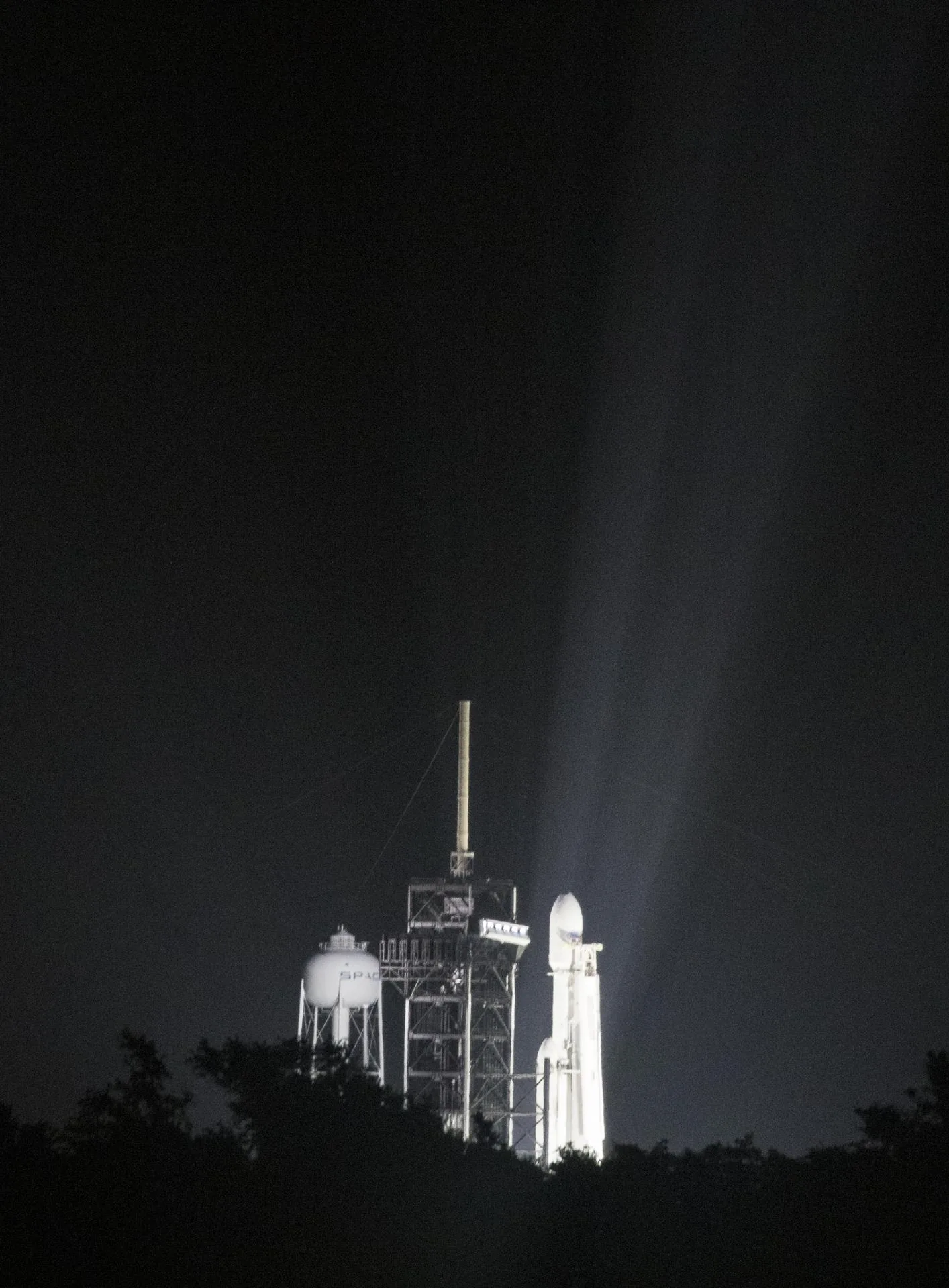
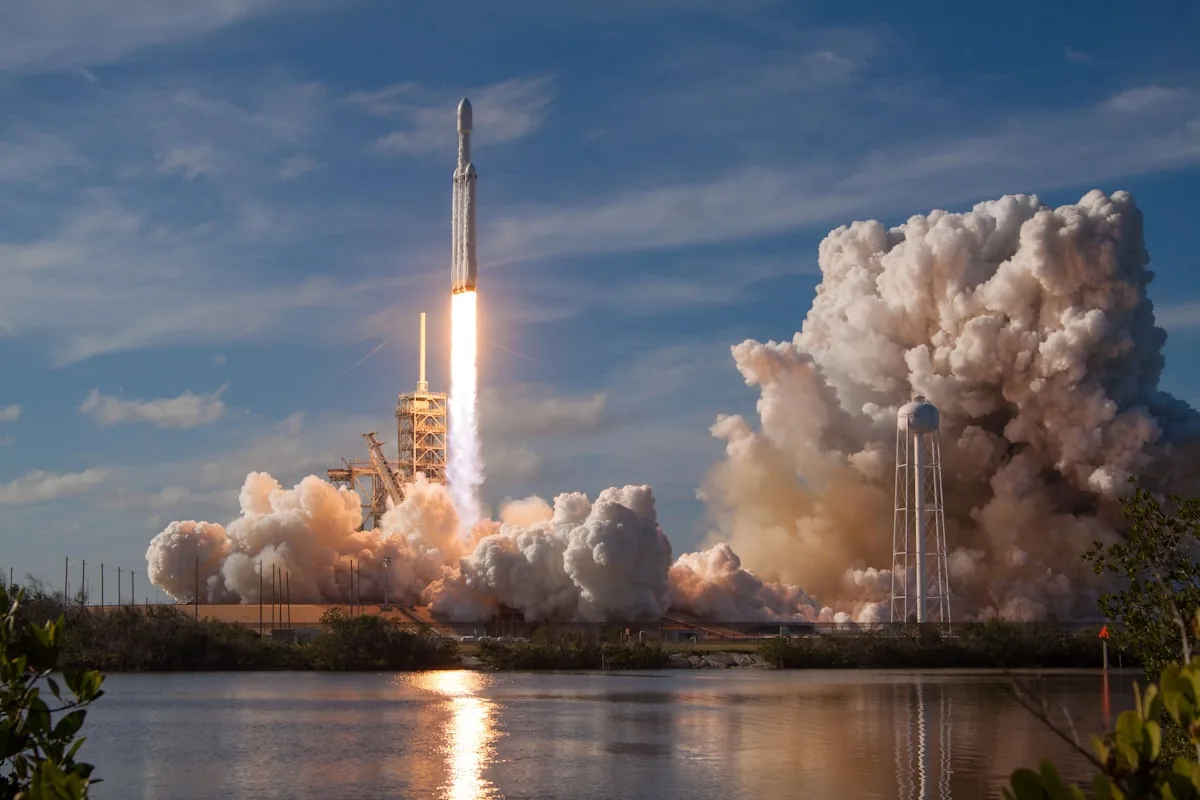
Every major launch provider publishes their upcoming flight schedule. Most investors ignore it. Here's how to read a launch manifest to spot revenue trends, customer mix, and competitive signals before they hit earnings.
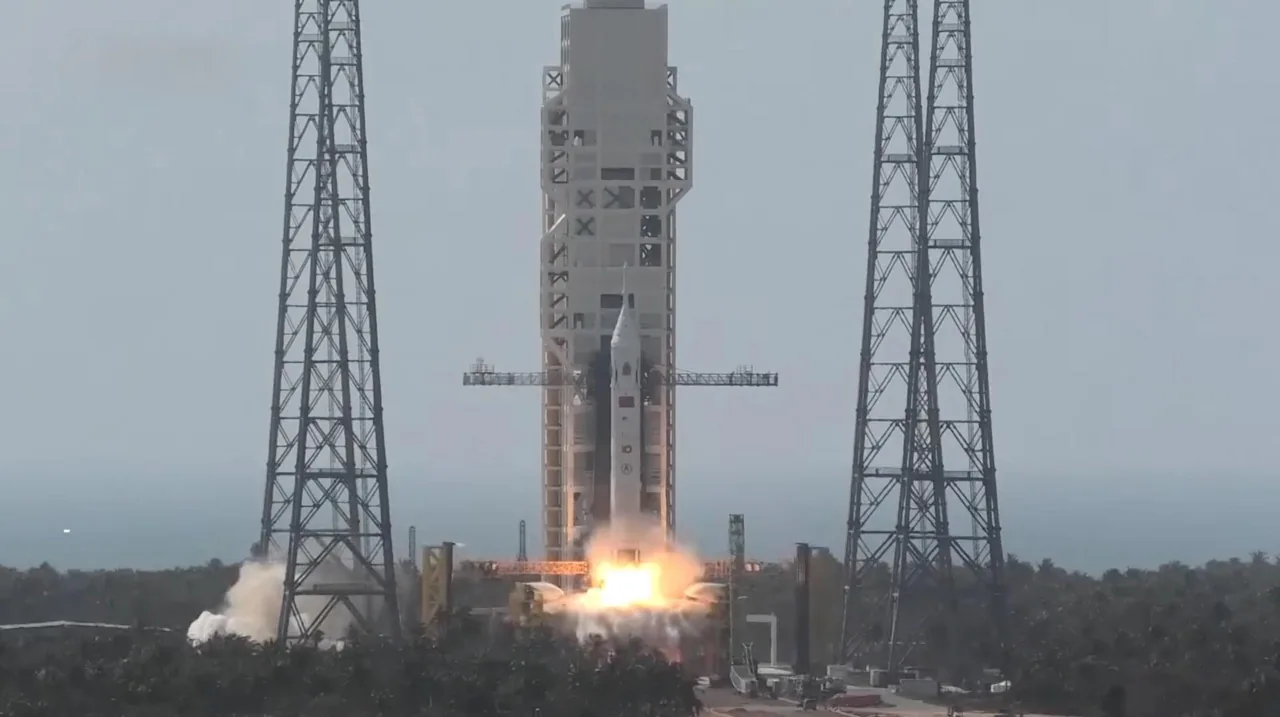
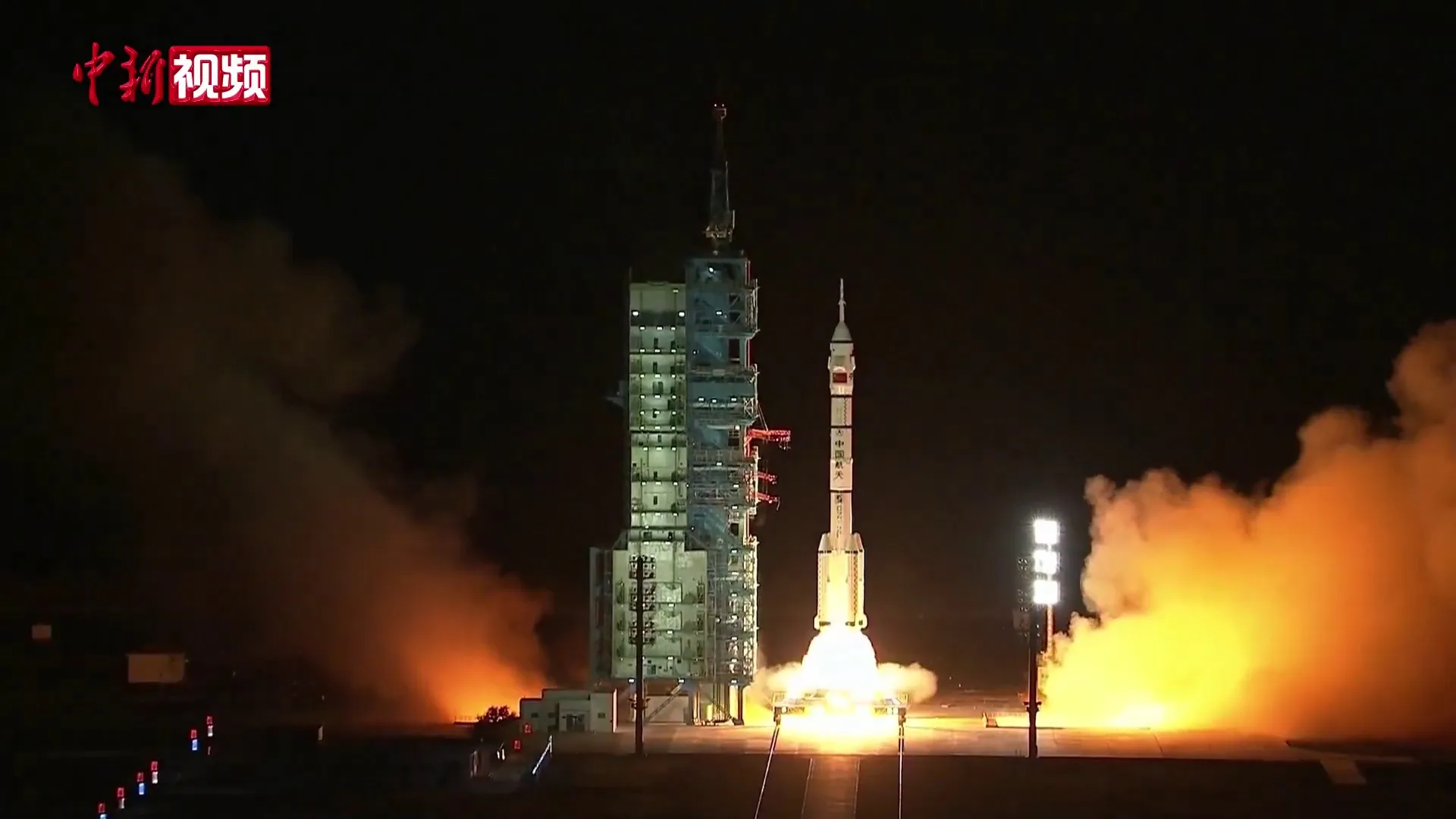
China's road to 2045: ILRS lunar base with Russia, 2030 crewed Moon landing, Guowang and Qianfan megaconstellations, Tianwen-3 Mars sample return, and the new orbital cold war.
Governments worldwide spend over $100 billion annually on space. NASA, ESA, CNSA, JAXA, and ISRO each take a radically different approach. Here's the full breakdown of who spends what in FY2025/26, and which programs create the most commercial opportunity.
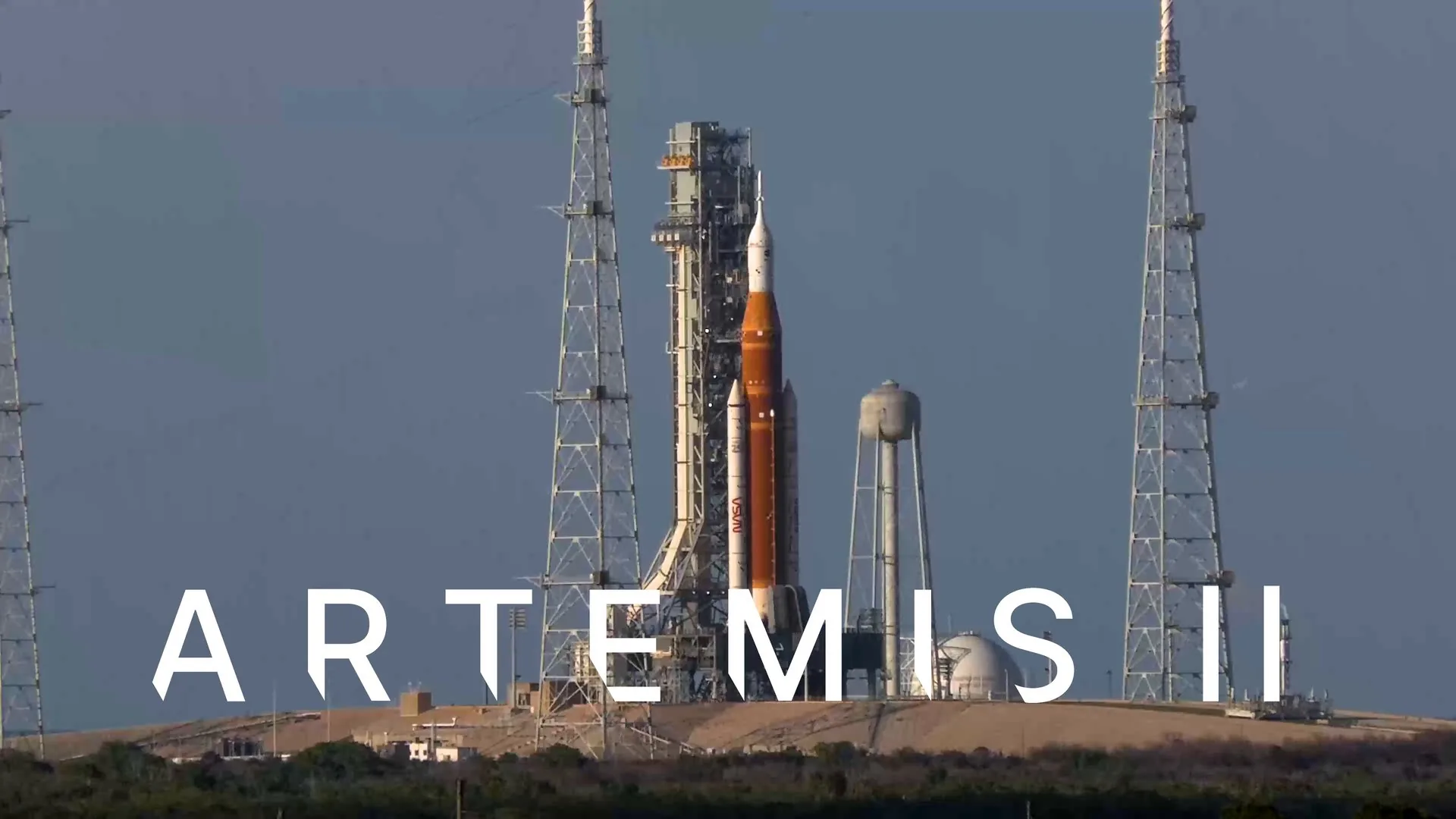
At 8:07 p.m. EDT on Friday, April 10, 2026, a charred but intact Orion capsule named Integrity splashed down in the Pacific Ocean off the coast of San Diego. In…
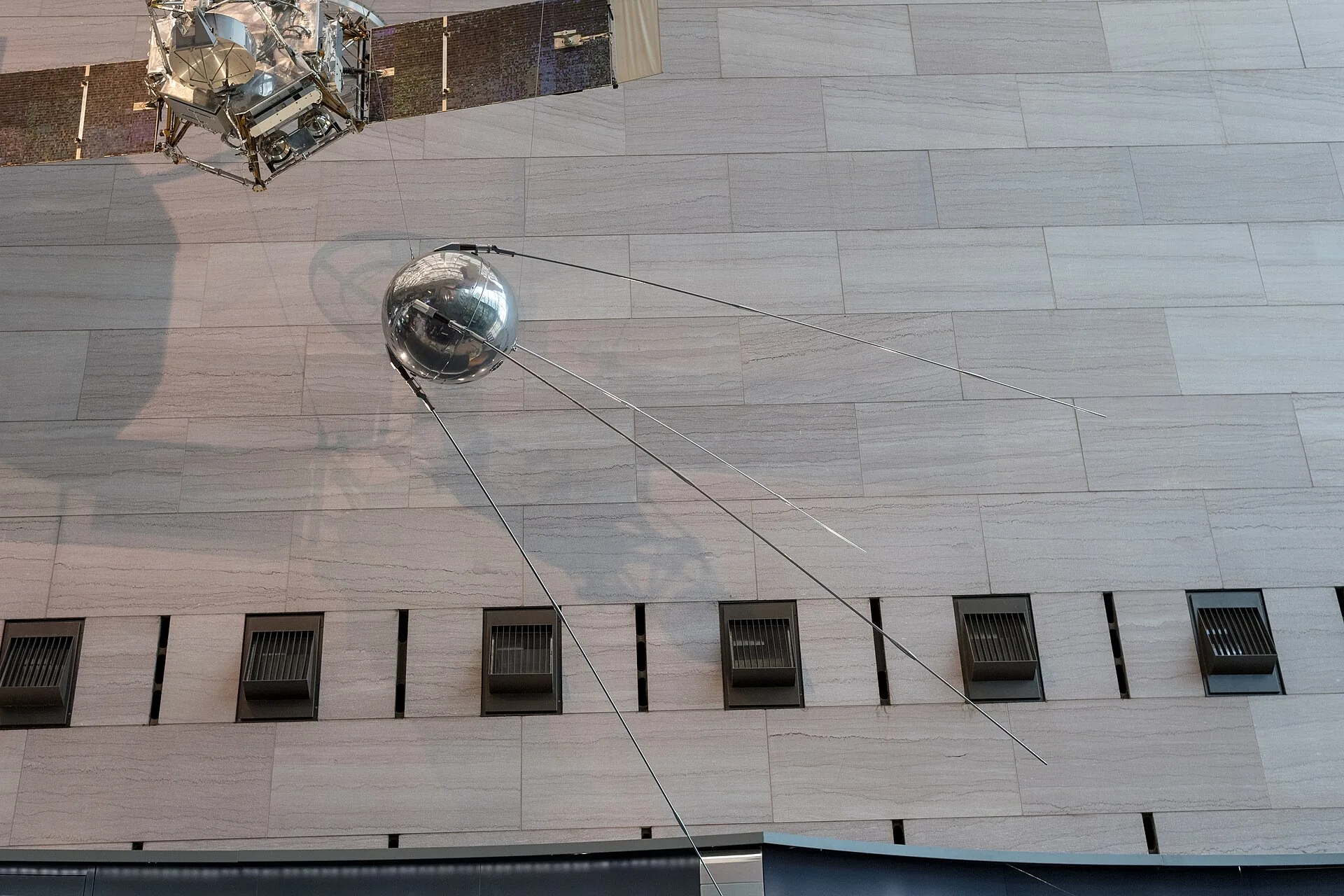
Inside China's rise as a space superpower: Qian Xuesen's US deportation, the 1970 Dongfanghong-1 satellite, Shenzhou taikonauts, Chang'e far-side landing, and Tianwen-1 Mars.
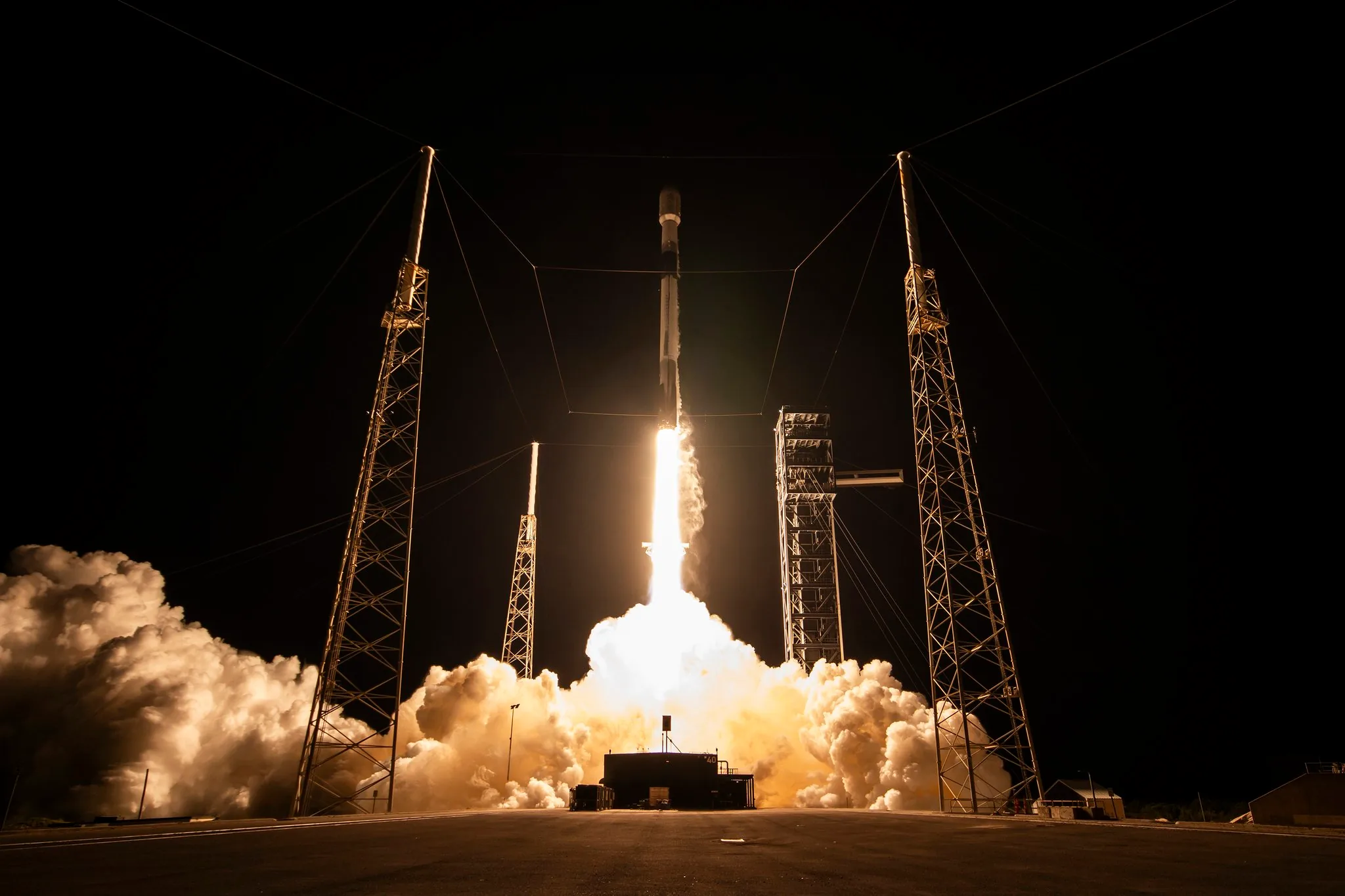
Three rockets competing for the same customers. Falcon 9's 500+ cumulative flights vs Vulcan in operational cadence vs New Glenn now operational. Which wins for your payload?
Abu Dhabi's Mubadala, Saudi Arabia's PIF, and Singapore's GIC are quietly positioning in space. When $3 trillion in patient capital moves into an asset class, retail investors should pay attention.
Our top home-planetarium picks for 2026 — ranked across disc-based projectors, laser galaxy projectors, and astronaut/nebula novelty units, with honest notes on image quality vs. mood lighting.
NASA spends $25B, ESA pools 23 nations for ~$8B — yet both lead in science, Earth observation, and deep space. An honest side-by-side of how they differ.
Varda Space is already making pharmaceuticals in orbit. ZBLAN fiber optics, semiconductors, and exotic alloys are next. Here's the full investor breakdown of what actually gets made in space and who profits.