Four companies are spending $50B+ to blanket Earth with satellite internet. Only one or two will dominate. Here's how each stacks up on technology, financing, customers, and long-term viability.
Starlink generates an estimated $10-12 billion annually and may be worth more than the rest of SpaceX combined. Here's a full investor breakdown of subscriber growth, ARPU, competitive moat, and IPO timeline.
Lockheed, Northrop, L3Harris, and Raytheon all have major space businesses buried inside defense conglomerates. Here's how to isolate their space revenue and decide if the crossover premium is worth paying.
ARKX and UFO have both underperformed the S&P 500 by 40-60 percentage points since launch. Here's the honest analysis of what went wrong and smarter ways to get space exposure.
Every quarter, space company executives stand in front of analysts and drop terms like "substantial backlog," "new task order awards," and "contract ceiling inc…
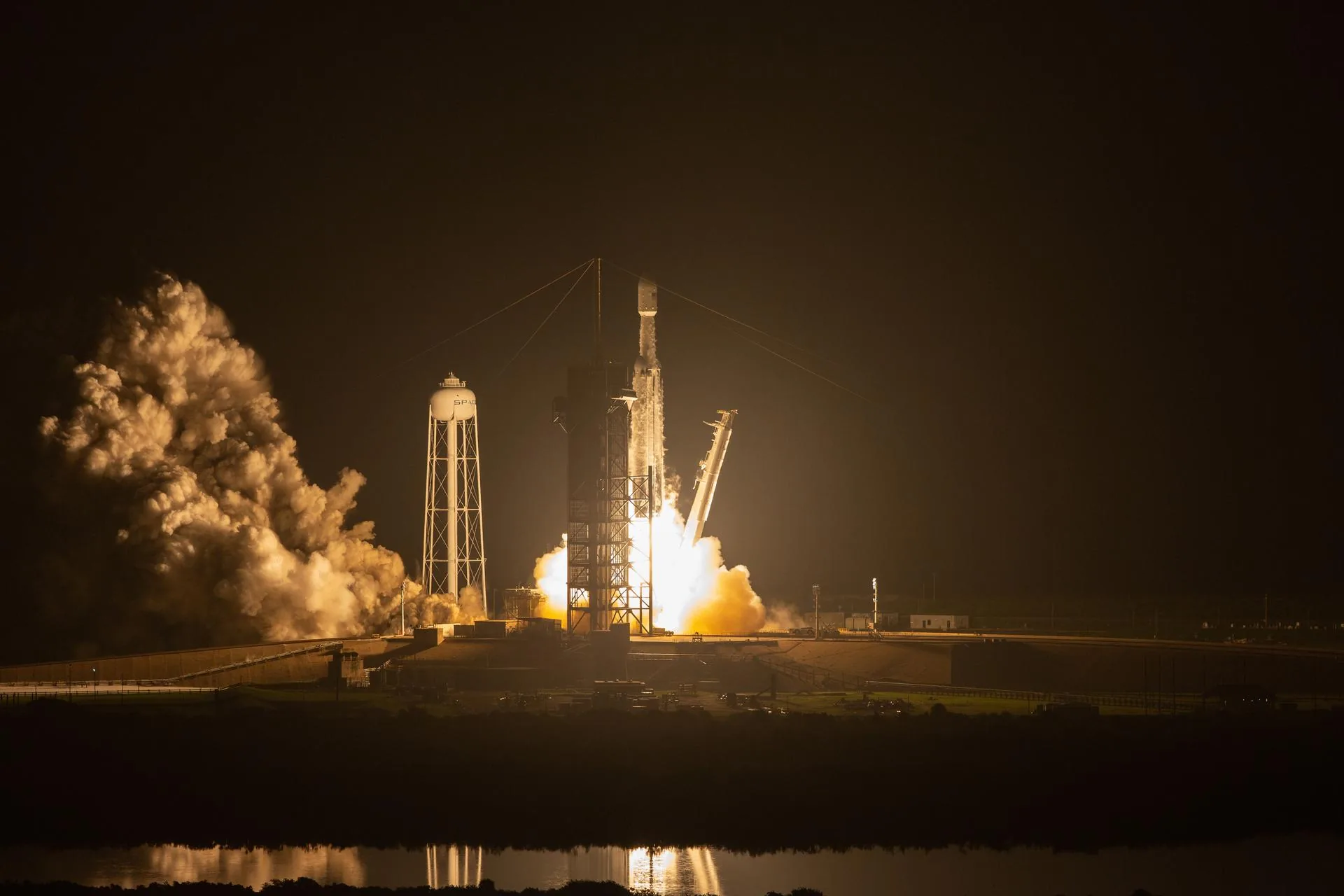
Every major launch provider publishes their upcoming flight schedule. Most investors ignore it. Here's how to read a launch manifest to spot revenue trends, customer mix, and competitive signals before they hit earnings.
Governments worldwide spend over $100 billion annually on space. NASA, ESA, CNSA, JAXA, and ISRO each take a radically different approach. Here's the full breakdown of who spends what, and which programs create the most commercial opportunity.
Abu Dhabi's Mubadala, Saudi Arabia's PIF, and Singapore's GIC are quietly positioning in space. When $3 trillion in patient capital moves into an asset class, retail investors should pay attention.
Varda Space is already making pharmaceuticals in orbit. ZBLAN fiber optics, semiconductors, and exotic alloys are next. Here's the full investor breakdown of what actually gets made in space and who profits.
There are 45,000 tracked debris objects in orbit and 100 million untracked. A Kessler cascade would end the LEO economy for decades. Here's how this systemic risk affects space investments — and who profits from solving it.
Amazon's $10B Project Kuiper rebrands as Amazon Leo: 241 satellites in orbit, 3,200 committed, an FCC deadline, and a head-on race with Elon Musk's Starlink.
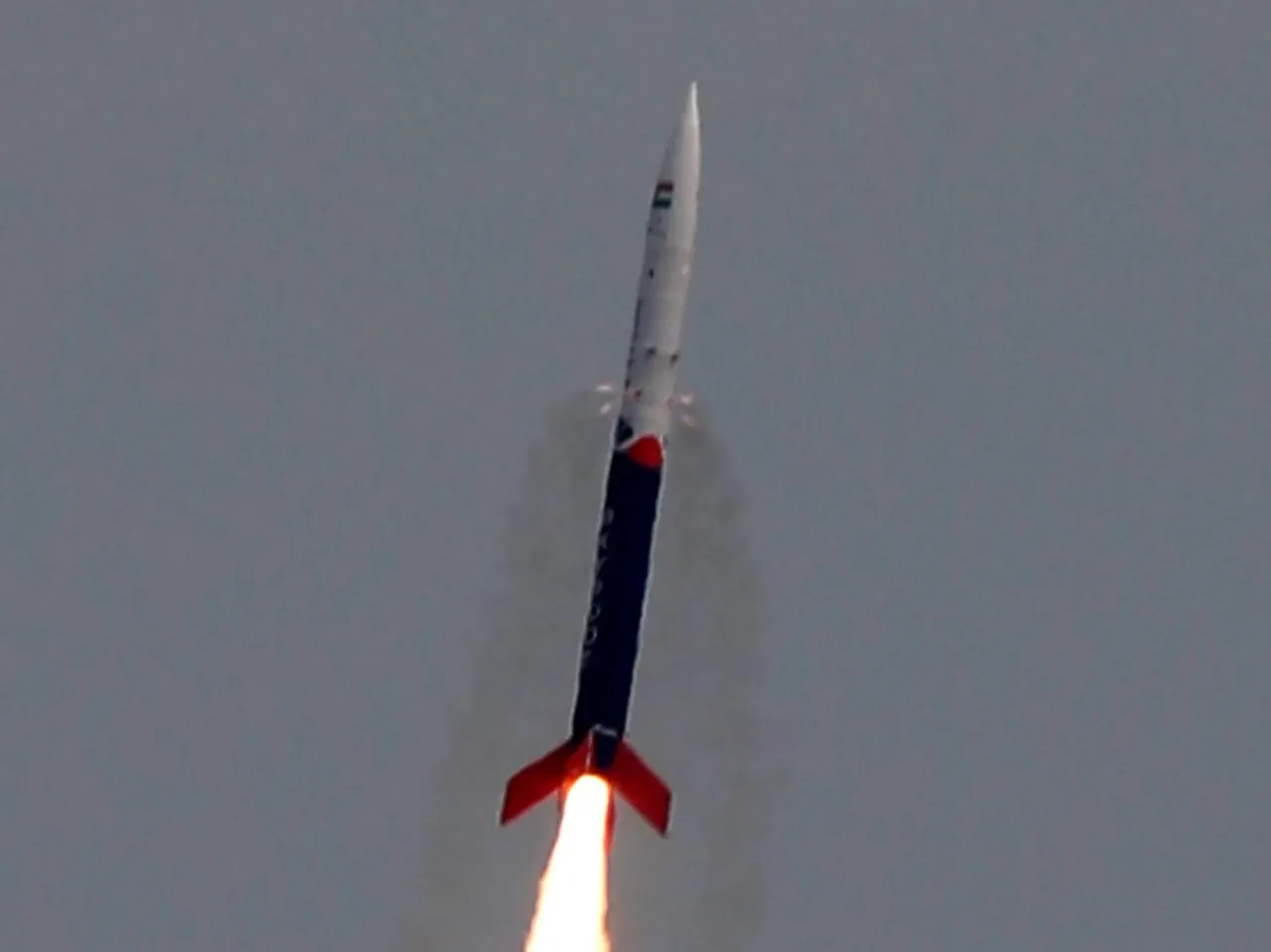
India's private space boom: Skyroot, Agnikul, Pixxel, and 250+ startups racing to capture a slice of the global space economy. $400M invested, policy reforms, and the road to 2035.
Launch is only 2-3% of the $630B space economy. The other 97% — Earth observation, satcom, GPS, debris removal, tourism, manufacturing — and the sectors investors overlook.
Why space exploration pays back more than it costs — from climate monitoring and planetary defense to the $500B space economy and the Artemis Accords reshaping geopolitics.
मुझसे इस सवाल का कोई न कोई रूप किसी भी और सवाल से ज़्यादा पूछा जाता है: "जब पृथ्वी पर इतनी समस्याएँ हैं तो हमें अंतरिक्ष पर पैसे क्यों खर्च करने चाहिए?" यह एक उ…
The global space economy hit $630 billion in 2025. Where the money actually flows — satellite services, ground equipment, manufacturing, and launch, broken down by segment.
Space stocks and ETFs in 2025: ARKX, UFO, Rocket Lab, Virgin Galactic and defense incumbents in a $630B economy heading toward $1T. An investor's clear-eyed guide.