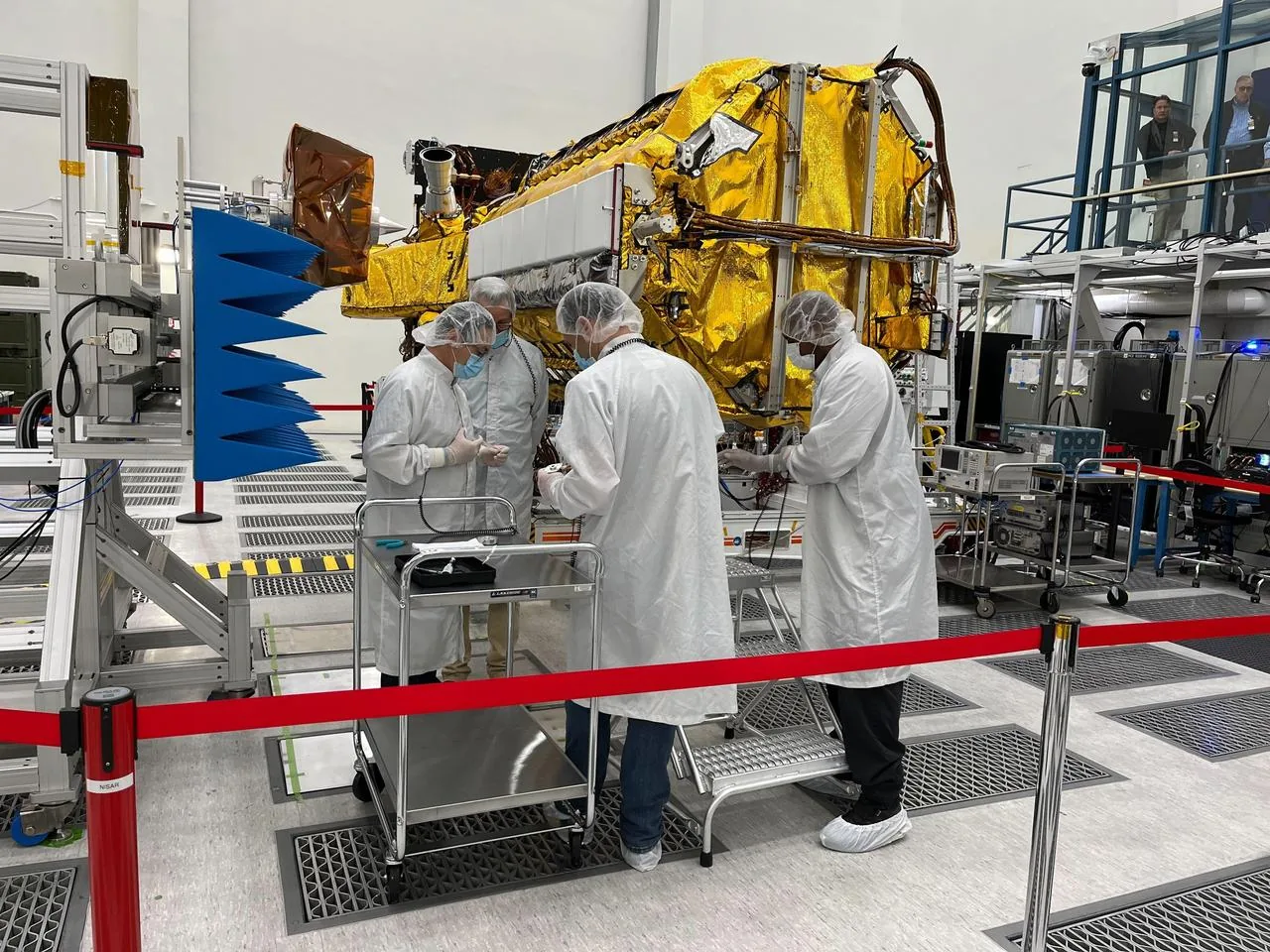
Somewhere inside a pristine cleanroom at NASA's Jet Propulsion Laboratory, a team of engineers in head-to-toe bunny suits is painstakingly wiping down every surface of a spacecraft with isopropyl alcohol. The air in the room is filtered to remove 99.99 percent of particles. The temperature and humidity are tightly controlled. And every few days, technicians press special biological assay plates against the hardware to count any surviving microbes.
This is planetary protection in action -- one of the most important and least understood aspects of space exploration. The goal is deceptively simple: do not contaminate other worlds with Earth life, and do not bring alien life back to Earth without proper containment. The execution is extraordinarily complex, and the stakes could not be higher.
Why It Matters
The search for life beyond Earth is one of the primary motivations for space exploration. Mars, Europa, Enceladus, and Titan are all targets of missions specifically designed to look for signs of biological activity. But here is the problem: if we accidentally deposit Earth microbes on Mars, and a future mission then detects those microbes, how would we know whether we found Martian life or just our own contamination?
This is not a hypothetical concern. Earth microorganisms are astonishingly resilient. Bacteria have been found thriving in boiling hot springs, deep ocean hydrothermal vents, Antarctic ice, nuclear reactor cooling pools, and the stratosphere. Some species can survive extreme radiation, vacuum, and desiccation for years. The tardigrade, a microscopic animal, can endure conditions that would kill virtually any other organism -- including the vacuum of space.
If even a small number of hardy Earth microbes were to survive the journey to Mars and find a habitable niche -- perhaps in a subsurface ice deposit or a briny aquifer -- they could potentially grow and spread. This would not just confuse our search for life; it could permanently alter or destroy any native Martian ecosystem before we even knew it existed. We would have committed an irreversible act of interplanetary pollution.
The COSPAR Framework
The international rules governing planetary protection are set by the Committee on Space Research (COSPAR), a body of the International Science Council. COSPAR's Planetary Protection Policy, first established in the 1960s and regularly updated since, classifies missions into five categories based on the type of mission and the target body.
Category I applies to missions to targets where there is no concern about contamination -- for example, a flyby of the Sun or a mission to Mercury. No special requirements are imposed.
Category II covers missions to targets where there is some interest in understanding chemical evolution or the origin of life, but where contamination is unlikely to be a problem. A flyby or orbiter mission to Jupiter or Saturn would fall here. Requirements are modest: mainly documentation.
Category III applies to flyby and orbiter missions to targets of significant biological interest, such as Mars or Europa. These missions must demonstrate that the probability of impacting the target body (and thus depositing contaminants) is below a defined threshold. Spacecraft must be cleaned, and trajectories must be designed to minimize the chance of accidental impact.
Category IV is where things get serious. This covers lander and rover missions to targets where contamination could compromise future investigations. Mars landers fall squarely in this category. Spacecraft must be assembled in cleanrooms, subjected to rigorous bioburden reduction procedures, and tested to verify that microbial contamination is below strict limits.
Within Category IV, there are subcategories. Missions to "special regions" of Mars -- areas where liquid water might exist, such as recurring slope lineae or subsurface ice -- face the most stringent requirements, since these are the places where Earth microbes would be most likely to survive and grow.
Category V addresses sample return missions. This is divided into "unrestricted Earth return" (for samples from bodies with no biological concern) and "restricted Earth return" (for samples from places like Mars, Europa, or Enceladus). Restricted Earth-return missions face the most demanding requirements of all: the samples must be contained in a way that ensures absolutely no uncontrolled release of material into Earth's biosphere.
How Perseverance Was Cleaned
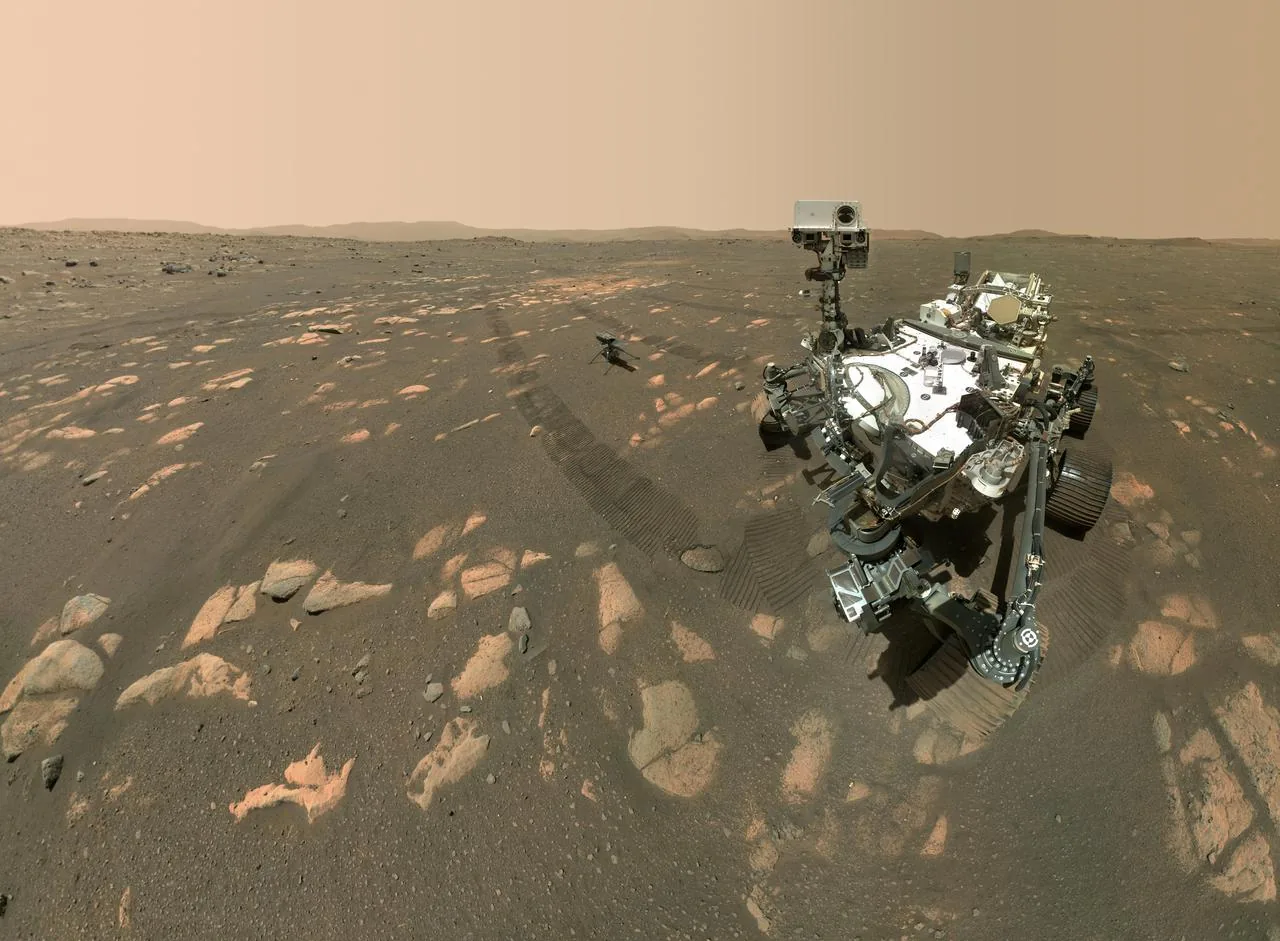
The Mars 2020 Perseverance rover provides an excellent case study in planetary protection practices. The rover, which landed in Jezero Crater in February 2021, was designed specifically to search for signs of ancient microbial life and to collect samples for future return to Earth. This made contamination control especially critical -- any Earth microbes on the rover could potentially end up in the sample tubes, compromising the entire Mars Sample Return campaign.
The cleaning process began long before assembly. Individual components were cleaned using a combination of methods. Heat-tolerant parts were subjected to dry heat microbial reduction -- essentially baking them at temperatures up to 110 degrees Celsius for extended periods to kill microorganisms. Parts that could not withstand high temperatures were cleaned with chemical agents, including isopropyl alcohol and hydrogen peroxide vapor.
The rover was assembled in JPL's Spacecraft Assembly Facility, a Class 100,000 cleanroom (meaning no more than 100,000 particles of 0.5 microns or larger per cubic foot of air). The most sensitive components, including the sample collection system, were assembled in cleaner environments within the larger cleanroom.
Throughout the process, engineers conducted regular bioburden assays -- swabbing surfaces and counting the number of bacterial spores present. NASA's requirement was that the total bioburden on the rover at launch not exceed 500,000 bacterial spores. For the sample-handling components, the limits were far more stringent.
The entire process added months to the assembly schedule and millions of dollars to the budget. But for a mission whose primary goal was to search for life, there was no alternative. Finding "life on Mars" that turned out to be a hitchhiking Earth bacterium would be a scientific catastrophe.
The Challenge of Crewed Missions
Everything discussed so far applies to robotic missions. Crewed missions to Mars present a fundamentally different challenge, one that the planetary protection community has not yet fully resolved.
A single human being carries approximately 38 trillion microorganisms -- bacteria, fungi, viruses, and archaea -- in and on their body. An astronaut living and working on Mars will inevitably release microbes into the environment through breathing, skin shedding, waste products, and any breach in their habitat. Containing these microbes completely is, for all practical purposes, impossible.
This creates a profound tension between the goals of human exploration and the goals of planetary protection. If we send astronauts to Mars before we have thoroughly searched for native life, we risk contaminating the planet before we have answered the most important question about it. But if we insist on completing our search before sending humans, we might delay crewed missions by decades.
Various approaches have been proposed. One is to designate certain areas of Mars as "planetary parks" or protected zones where human activity would be prohibited or heavily restricted, preserving them for future scientific investigation. Another is to accept that some level of contamination from human missions is inevitable and focus on documenting and monitoring it rather than preventing it entirely. A third approach would send humans only to regions of Mars deemed unlikely to harbor life, reserving the most scientifically interesting sites for robotic exploration.
None of these solutions is fully satisfactory, and the debate is ongoing. As crewed Mars mission timelines become more concrete -- both NASA and SpaceX have discussed missions in the 2030s and 2040s -- the need for a policy framework becomes increasingly urgent.
Backward Contamination: Bringing Mars to Earth
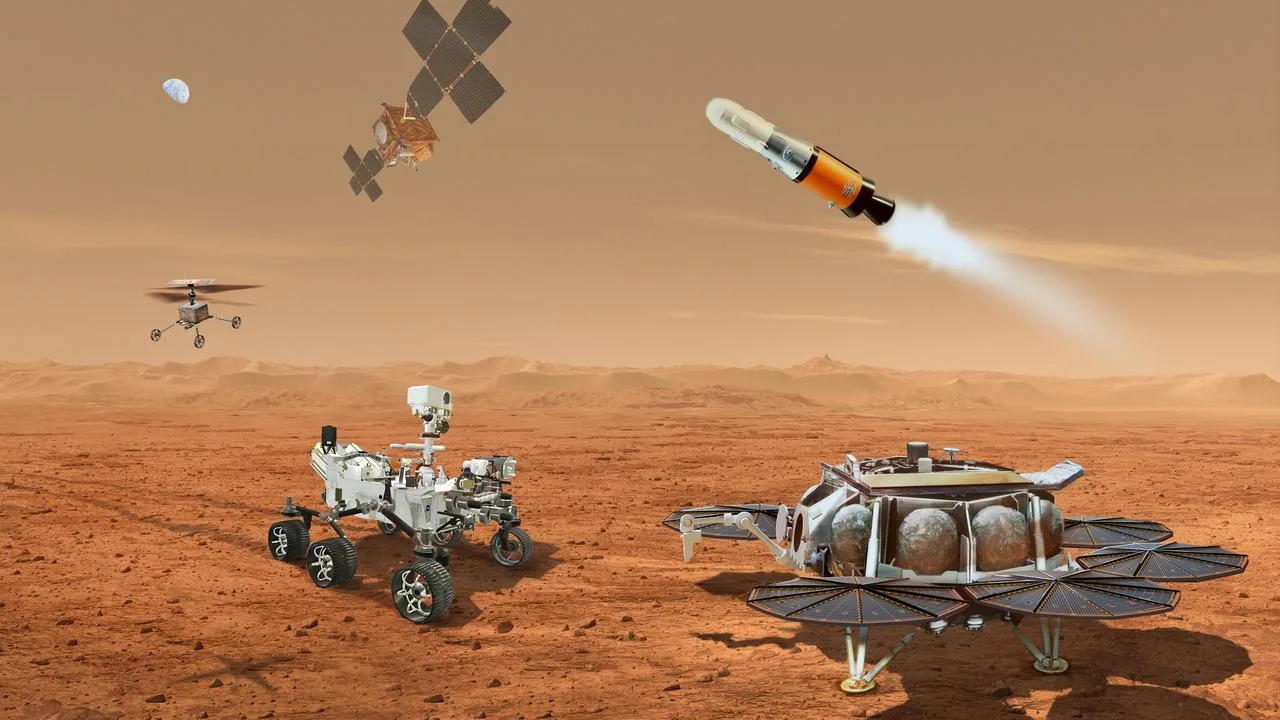
If forward contamination (Earth to Mars) is a significant concern, backward contamination (Mars to Earth) is an existential one. The Mars Sample Return mission, a joint NASA-ESA campaign to bring Perseverance's collected samples back to Earth, has been designed with multiple layers of containment to prevent any Martian material from being released into Earth's biosphere.
The samples will be sealed in hermetically sealed tubes on Mars, launched into Mars orbit by a small rocket, captured by an orbiting spacecraft, and returned to Earth in a reentry capsule designed to survive intact even in a worst-case landing scenario. On Earth, the samples will be taken to a specially constructed Biosafety Level 4 (BSL-4) facility -- the same level used for the most dangerous known pathogens like Ebola -- where they will be studied under strict containment.
Is there actually any risk? Most scientists believe the probability of Martian samples containing viable organisms is very low. Mars's surface is bombarded by ultraviolet radiation and cosmic rays, and the soil contains harsh oxidizing chemicals. But "very low" is not zero, and the consequences of an uncontrolled release of an alien organism -- however unlikely -- are impossible to predict. The precautionary principle demands extreme caution.
The Beresheet Incident
In April 2019, Israel's Beresheet lunar lander crashed on the Moon after a software glitch during its landing sequence. This was disappointing but not unusual -- landing on the Moon is hard. What made the incident notable for planetary protection was the revelation that the lander carried a payload from the Arch Mission Foundation: a small disc containing a library of human knowledge, DNA samples, and thousands of dehydrated tardigrades.
Tardigrades, as mentioned earlier, are among the most resilient organisms on Earth. They can survive extreme temperatures, radiation, and vacuum. The question immediately arose: did we just contaminate the Moon with living organisms?
The scientific consensus is that the tardigrades are almost certainly not alive in any meaningful sense. Without liquid water, they would remain in a desiccated, dormant state indefinitely. The Moon's lack of atmosphere, extreme temperature swings, and radiation environment make growth or reproduction impossible. But the incident highlighted a gap in planetary protection oversight. The Moon is a Category II body under COSPAR guidelines, meaning the requirements are minimal. As lunar exploration accelerates, with missions targeting the very water ice deposits that might someday support life-detection experiments, the question of whether the Moon's planetary protection status needs to be revisited is worth asking.
The Road Ahead
Planetary protection is one of those rare areas where getting it wrong is irreversible. We cannot uncontaminate Mars. We cannot undo the release of an alien organism on Earth. The science demands caution, even as the pace of exploration accelerates.
The challenge for the coming decades is to maintain rigorous planetary protection standards while enabling the ambitious missions that will define the next era of exploration -- crewed Mars landings, sample returns, and missions to the ocean worlds of the outer solar system. This will require updated policies, new technologies for contamination control, and difficult conversations about acceptable risk.
Above all, it requires humility. We are visitors in these other worlds, and we have a responsibility to tread carefully. The life we might find there -- or fail to find because we were careless -- is worth protecting.