analysisApril 11, 2026
Lucy: NASA's Epic 12-Year Journey to Jupiter's Trojan Asteroids
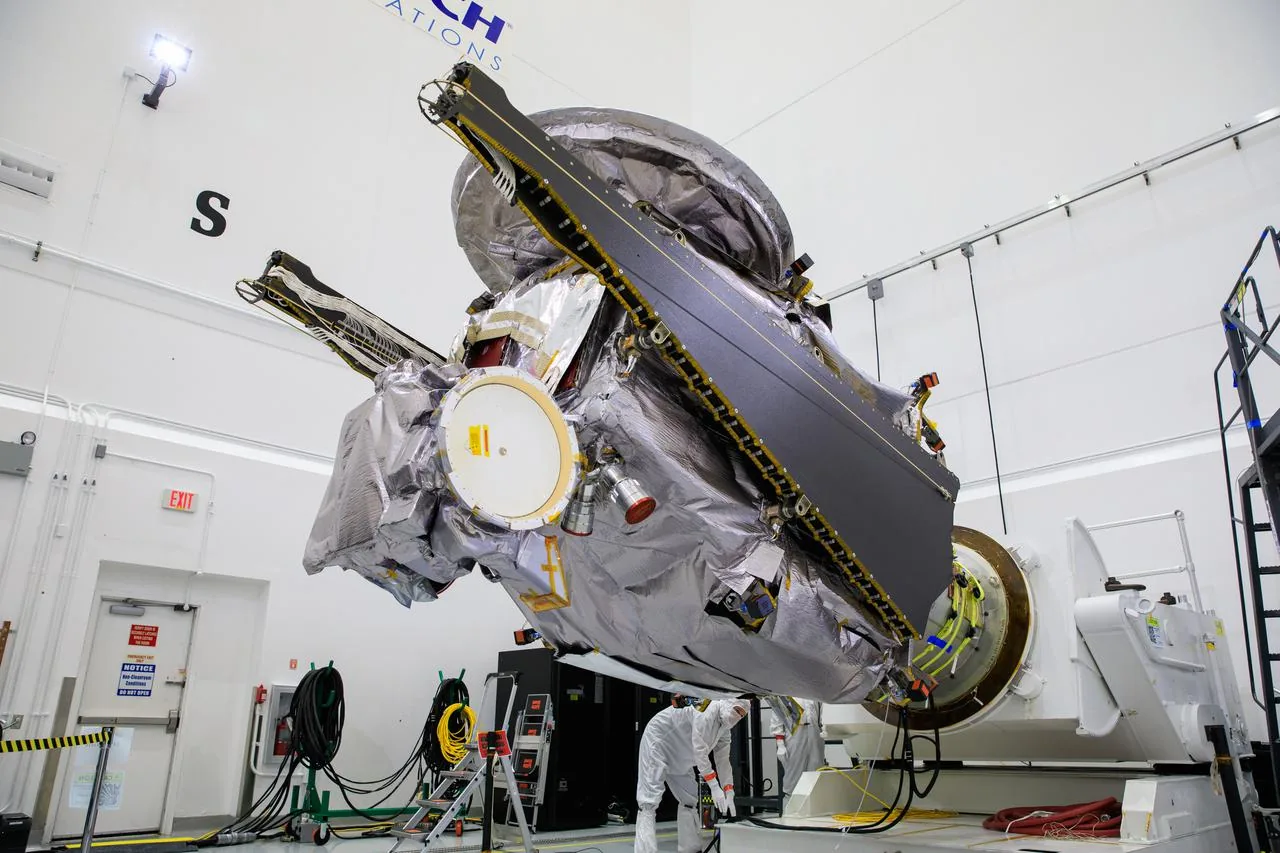
NASA's Lucy will visit 8 asteroids over 12 years, covering 6.3 billion km to study Jupiter's Trojan swarms — 4-billion-year-old fossils from planet formation.
NASA's Lucy will visit 8 asteroids over 12 years, covering 6.3 billion km to study Jupiter's Trojan swarms — 4-billion-year-old fossils from planet formation.
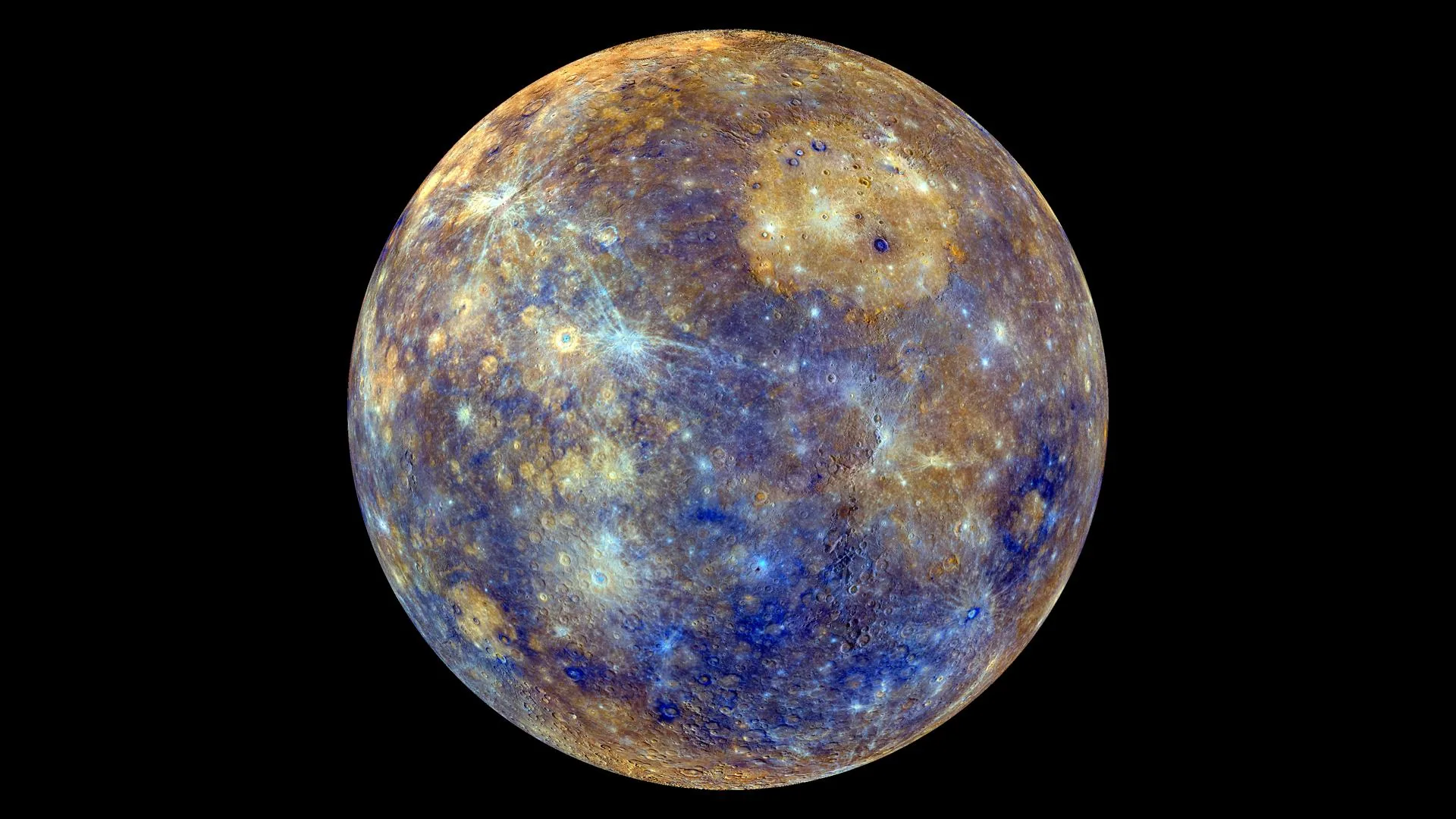
BepiColombo reaches Mercury orbit in late 2026 after 7 years and 6 flybys. Why Mercury is so hard to reach, what MESSENGER found, and what ESA-JAXA aim to

Voyager 2 flew past Uranus in 1986 and Neptune in 1989 — and that's still our only close look. Why the Decadal Survey ranks an ice giant orbiter a top priority.
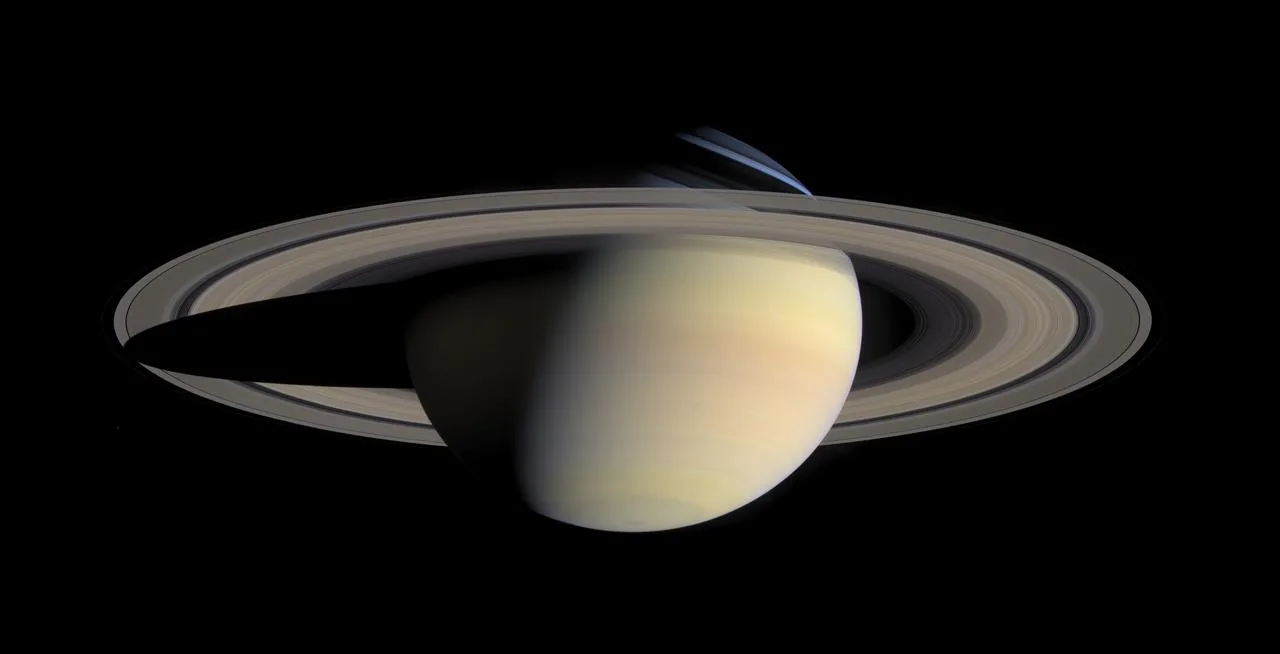
Are Saturn's rings 100 million or 4.5 billion years old? Cassini's 13 years of data, Enceladus plumes, Titan's methane lakes, and the biggest Saturn mysteries still open.
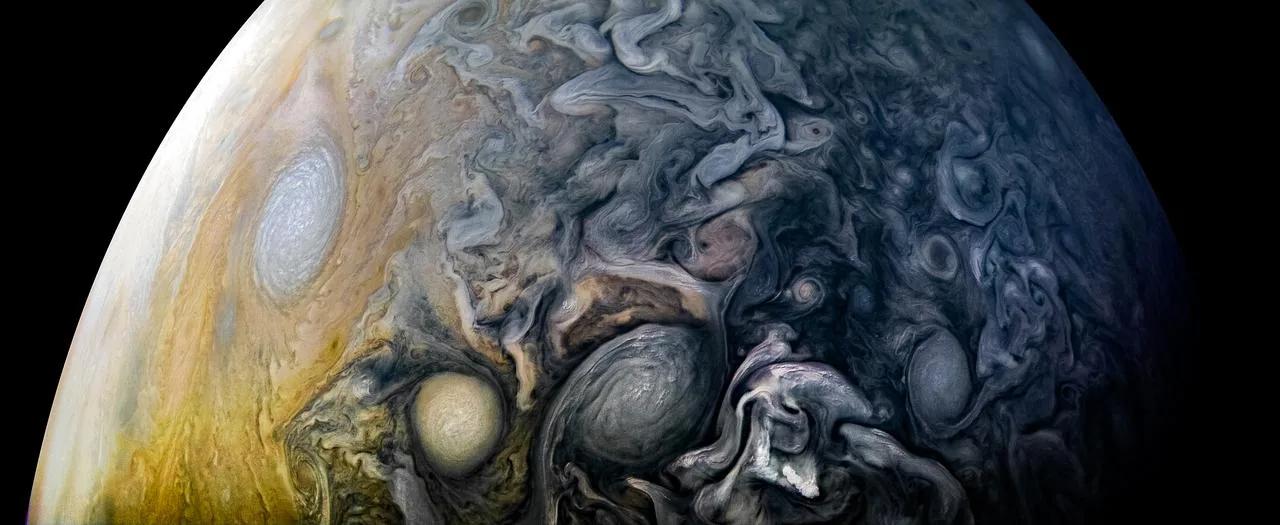
Jupiter by the numbers: the Great Red Spot, 95 moons, and the four Galilean worlds — Io's volcanoes, Europa's ocean, Ganymede's magnetic field, Callisto's craters.
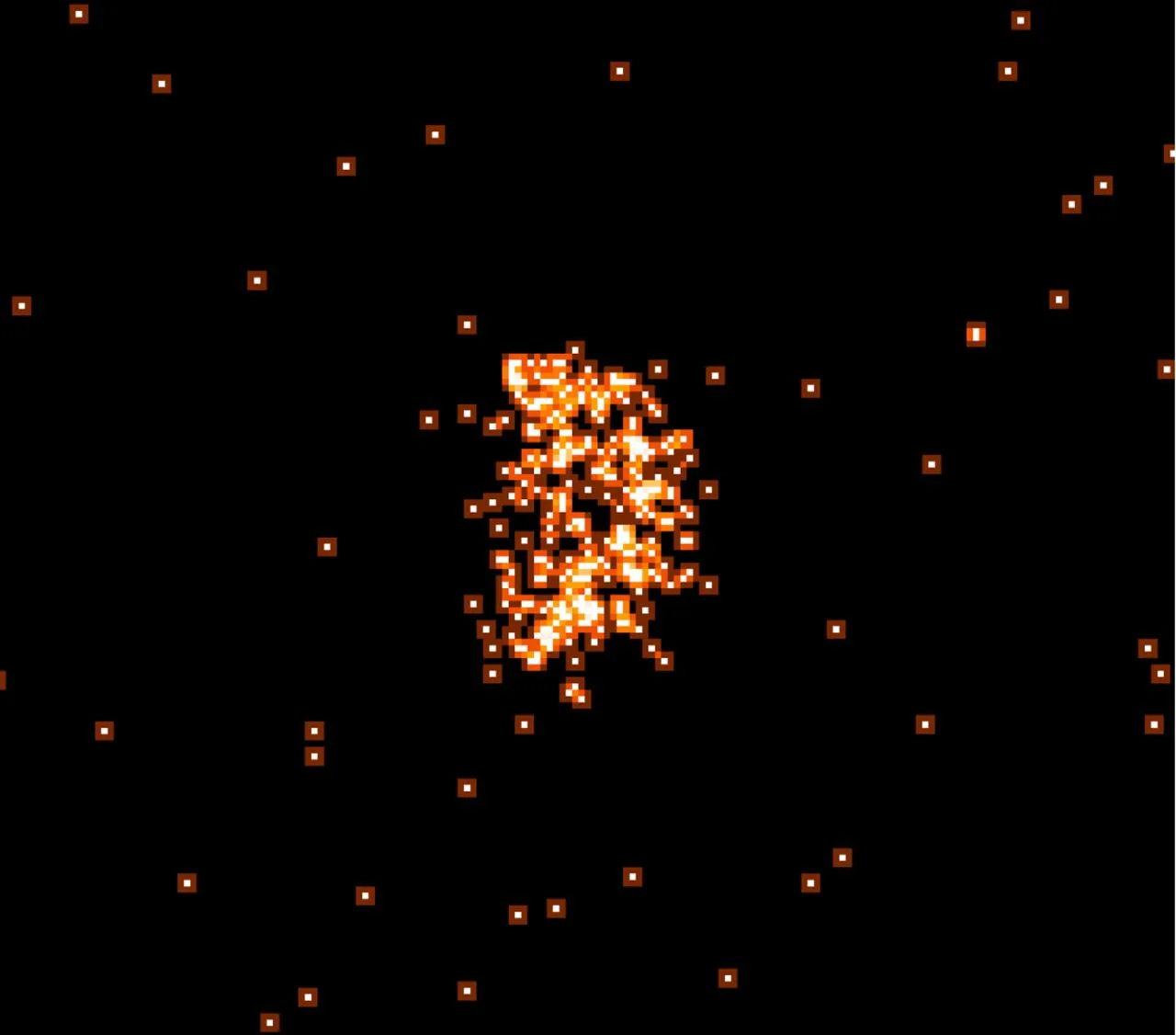
Venus gets more missions in the next decade than the last 30 years: NASA DAVINCI and VERITAS, ESA EnVision, Rocket Lab's private probe, and the phosphine life debate.
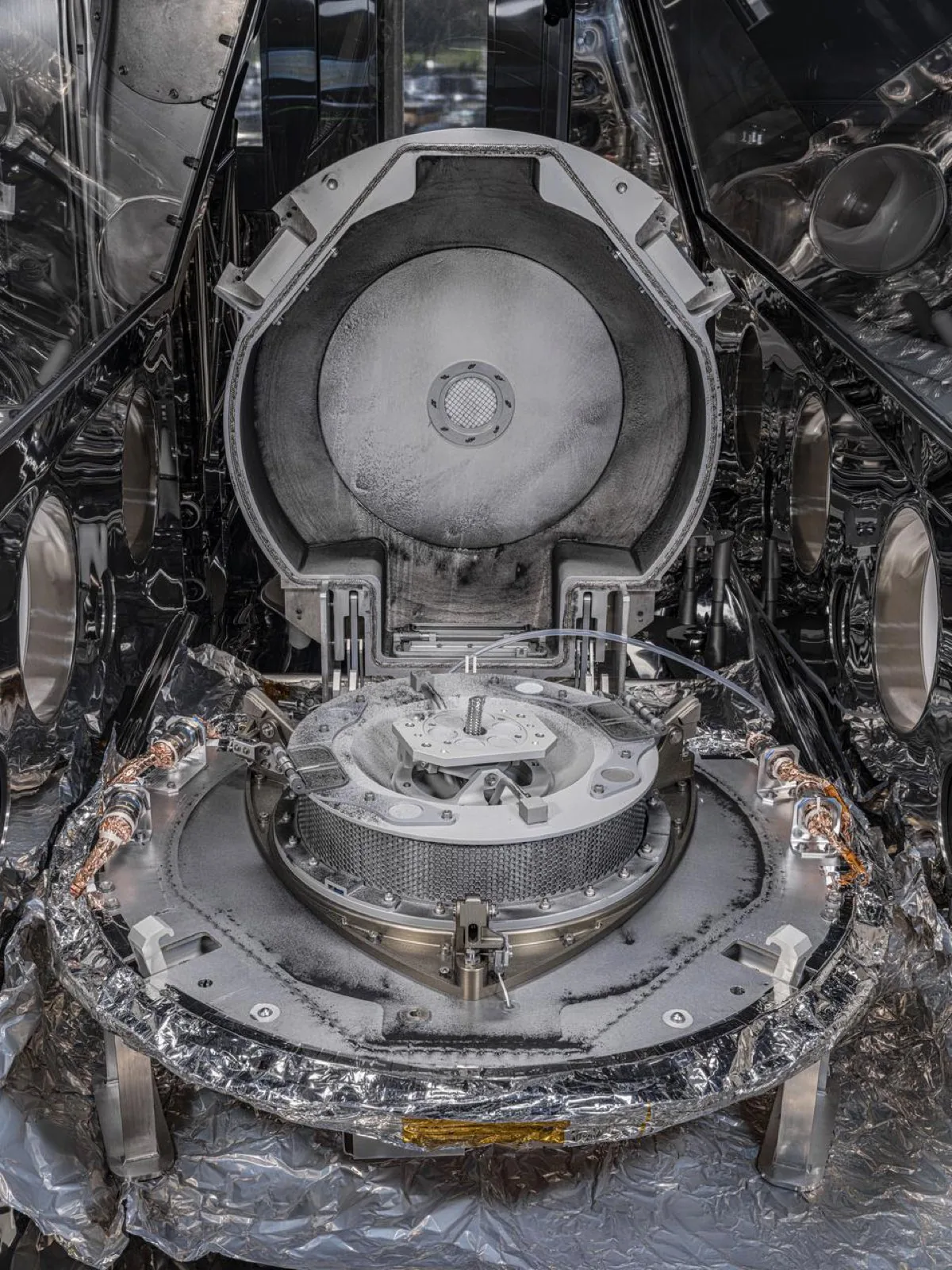
NASA's OSIRIS-REx returned 121.6 grams of asteroid Bennu to Earth in 2023. What scientists found inside — amino acids, water-bearing minerals, and solar system origins.
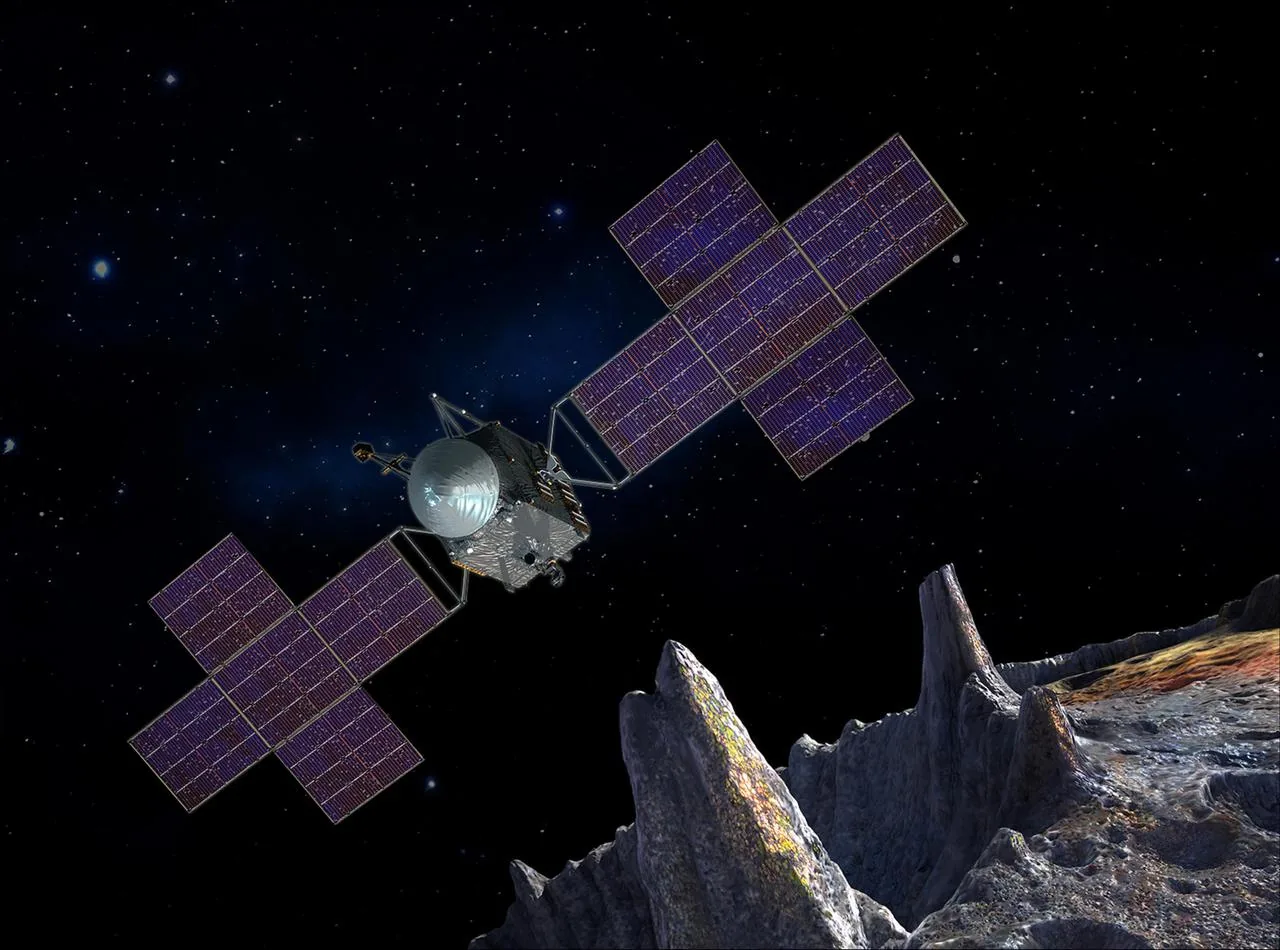
NASA's Psyche spacecraft launched in Oct 2023 for asteroid 16 Psyche — a metal world that may be a dead planet's core. Hall-effect thrusters, arrival in 2029, and the science.
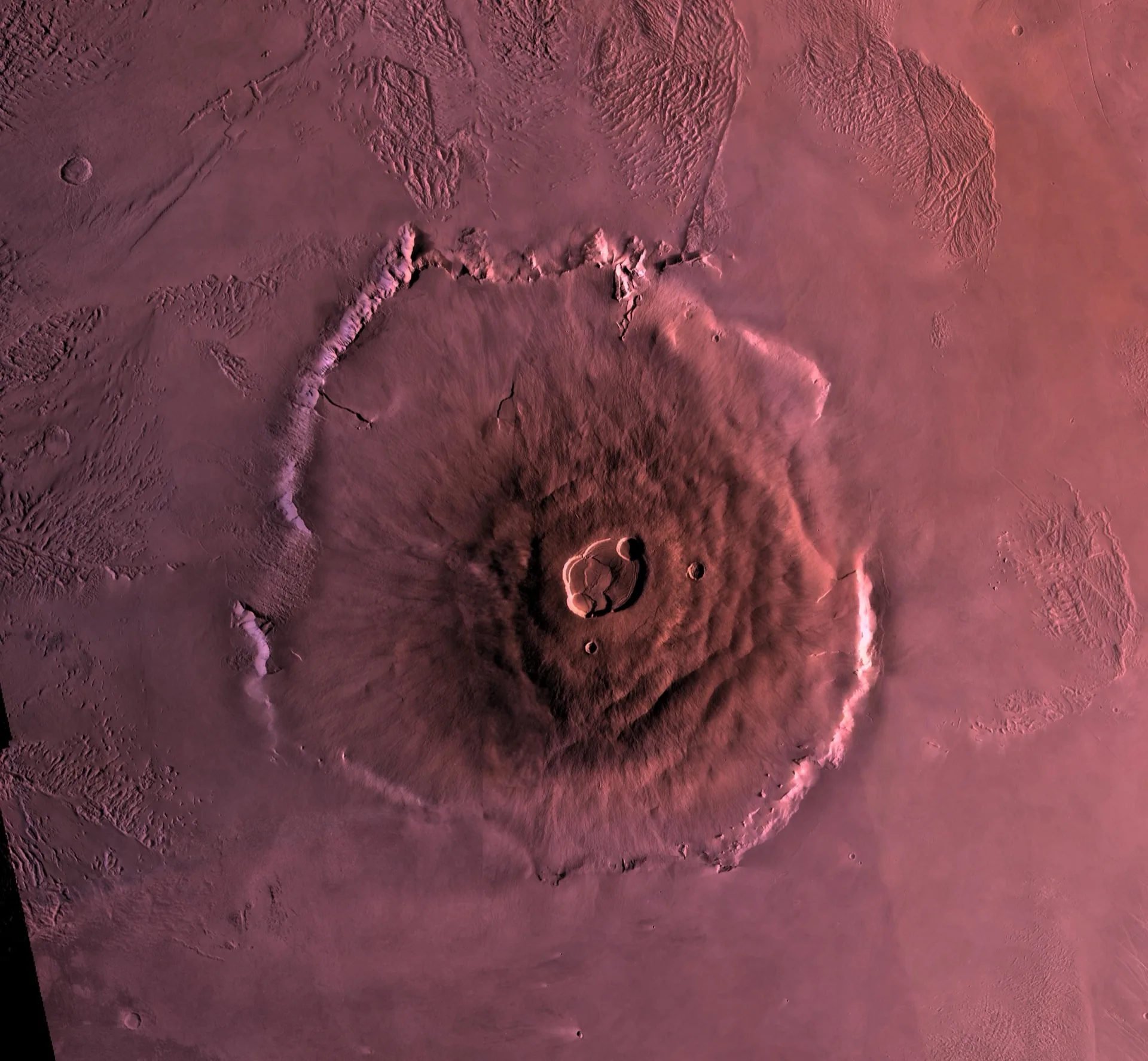
Mars geography tour: Olympus Mons (22 km tall), Valles Marineris (4,000 km long), Hellas Basin, and the polar ice caps recording millions of years of