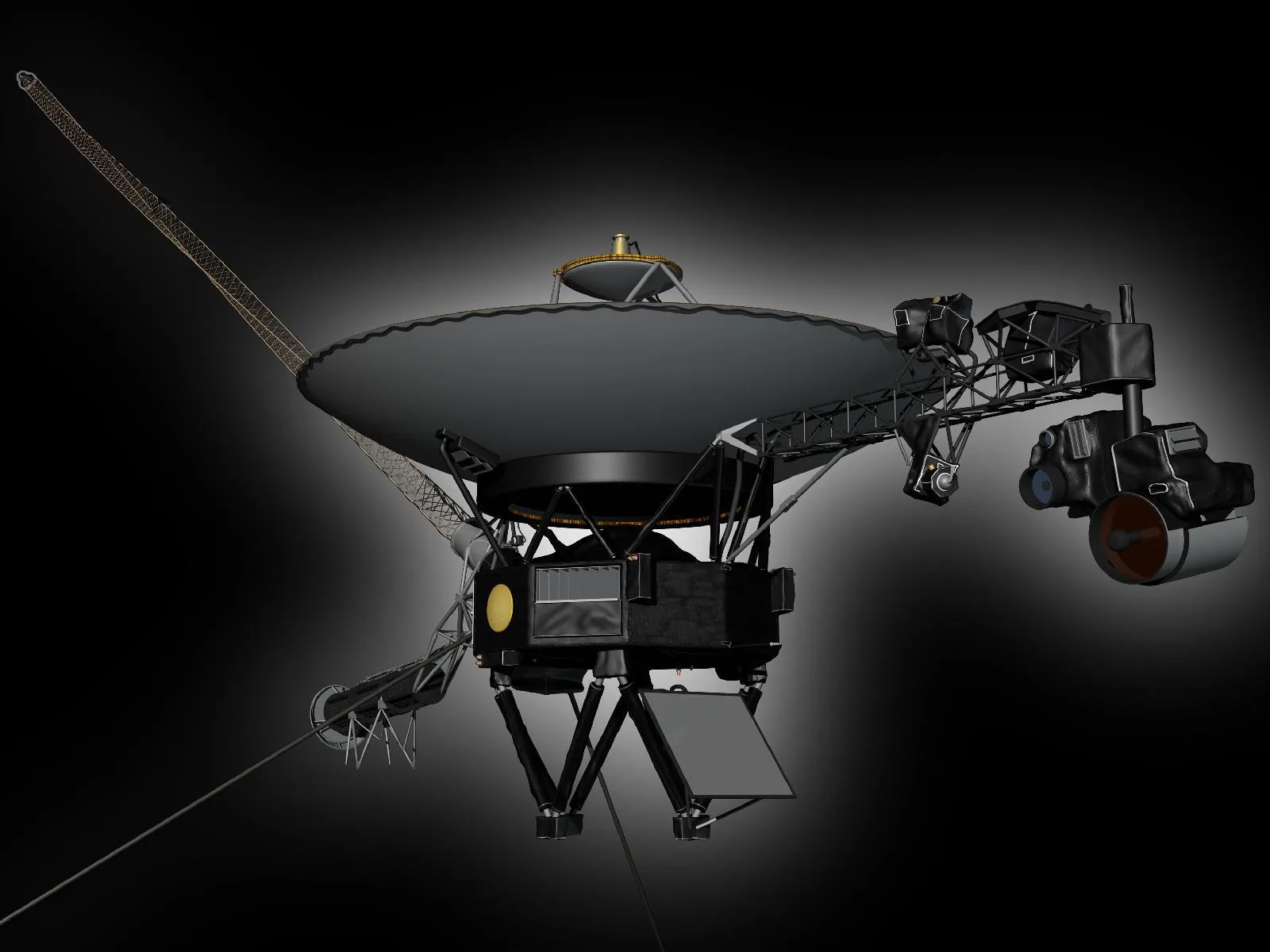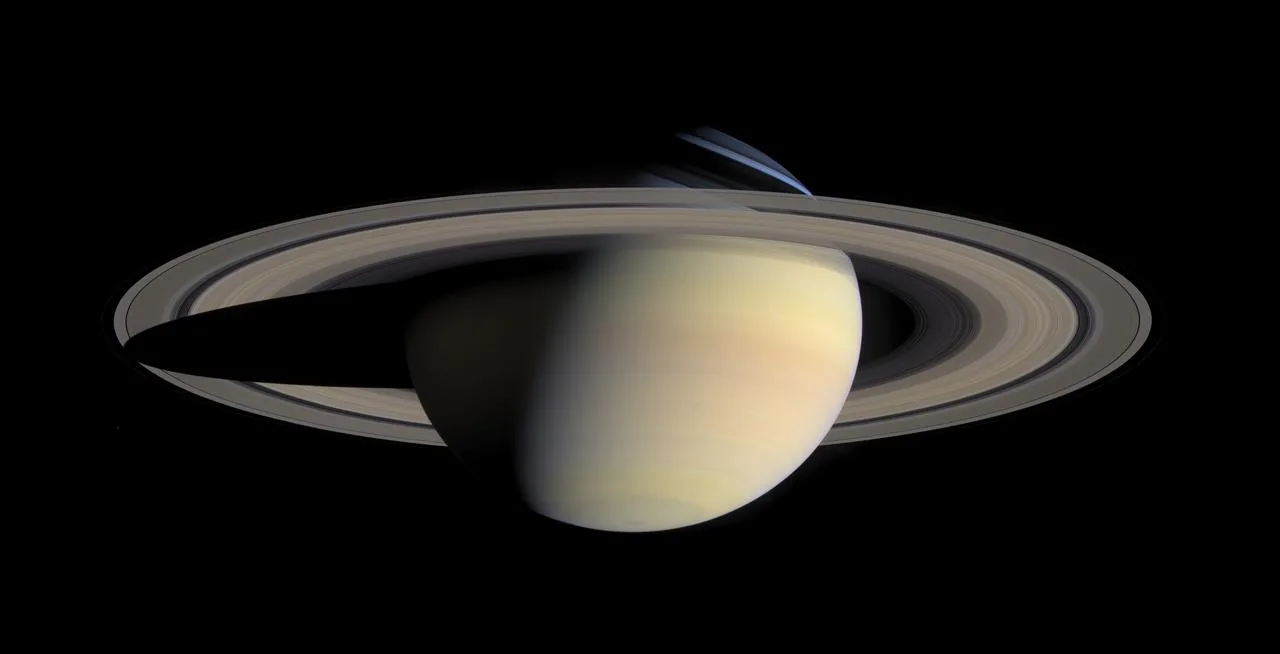
Here is a sobering fact: we have sent spacecraft to every planet in the solar system, but two of them have been visited only once, by the same spacecraft, more than three decades ago. Uranus and Neptune -- the ice giants, the outermost true planets, the cold blue worlds at the far edge of our planetary family -- received brief flyby visits from Voyager 2 in 1986 and 1989, respectively. That is it. That is the sum total of our close-up exploration of two entire planets.
To put this in perspective, we have orbited Mercury, Venus, Mars, Jupiter, and Saturn. We have landed on Venus, Mars, and Titan. We have driven rovers across Mars for years at a time. But Uranus and Neptune? We flew past them once, snapped some pictures, took some measurements, and kept going. They have been waiting patiently ever since.
It is time to go back. And the scientific community agrees.
The Decadal Survey Speaks
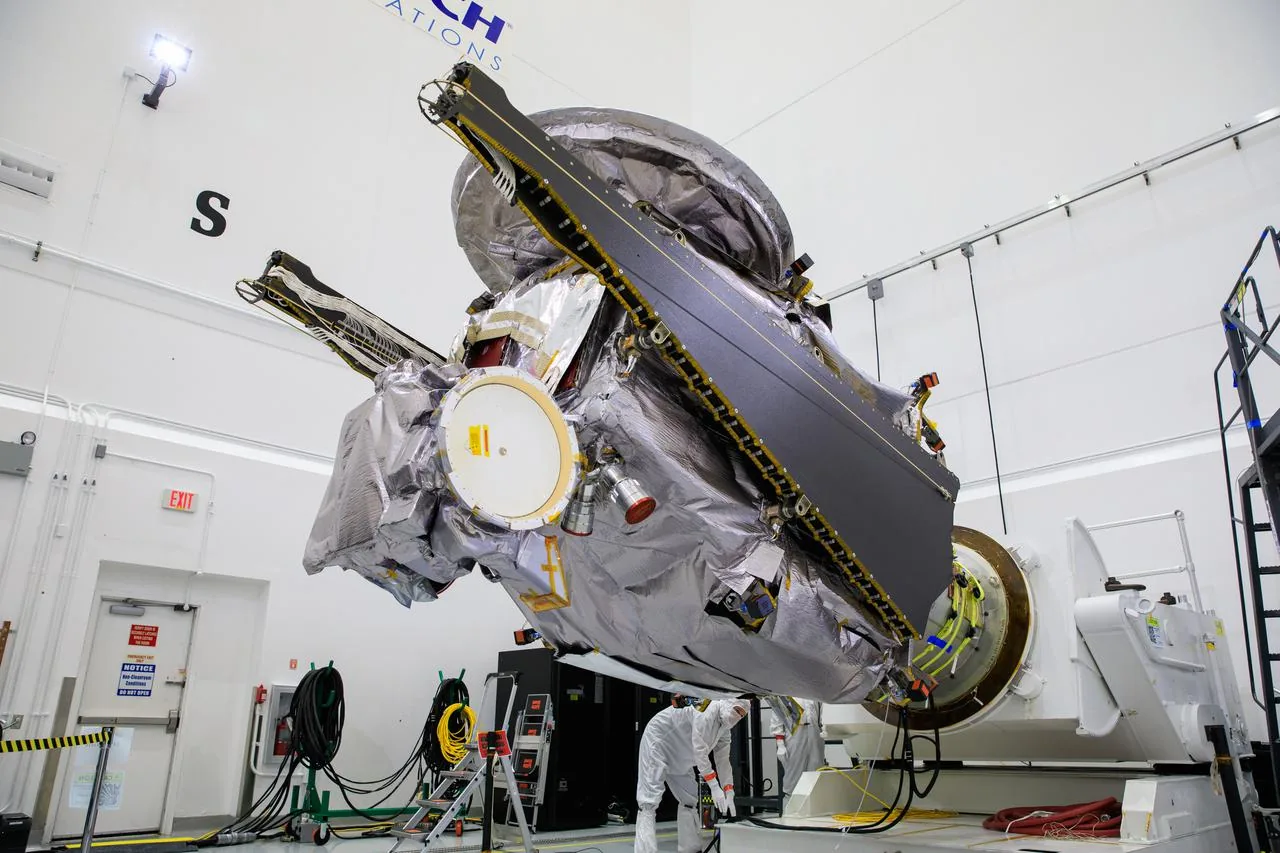
In 2022, the National Academies of Sciences released its Planetary Science and Astrobiology Decadal Survey -- the document that sets priorities for NASA's planetary exploration program for the coming decade. The survey's top recommendation for a new flagship mission was the Uranus Orbiter and Probe (UOP).
This was a landmark moment. For the first time, the ice giants were placed at the top of the planetary science wish list, ahead of competing proposals for missions to Enceladus, Titan, and other destinations. The scientific community was sending a clear message: the ice giants represent the largest gap in our understanding of the solar system, and closing that gap should be our highest priority.
The proposed mission would send an orbiter to Uranus for a multi-year study, complemented by an atmospheric probe that would plunge into the planet's atmosphere and measure its composition, temperature, and pressure as it descended. The probe would function for perhaps an hour before being crushed by increasing pressure, but in that hour, it would answer questions that have nagged planetary scientists for decades.
Uranus: The Planet That Rolls
Uranus is strange in ways that go beyond being cold and distant. The planet rotates on its side, with an axial tilt of 97.77 degrees. While most planets spin roughly upright relative to their orbital plane, Uranus is essentially rolling along its orbit like a barrel. This means that during its 84-year trip around the Sun, each pole gets about 42 years of continuous sunlight followed by 42 years of darkness.
Nobody knows for certain why Uranus is tipped over. The leading hypothesis is that a massive collision early in the solar system's history -- an impact from an Earth-sized or larger body -- knocked the planet onto its side. Some models suggest it may have taken two or more impacts to achieve the current tilt. Whatever happened, it was violent enough to fundamentally alter the planet's rotation but not enough to destroy it.
This extreme tilt has profound effects on the planet's weather and magnetosphere. Uranus's magnetic field is tilted 59 degrees relative to the rotation axis and is offset from the planet's center, creating a magnetic environment that is wildly asymmetric and dynamic. As Uranus rotates, its magnetosphere wobbles and twists in complex patterns that we have only barely begun to understand from Voyager 2's brief encounter.
The planet's atmosphere is dominated by hydrogen and helium, but it also contains significant amounts of methane, which absorbs red light and gives Uranus its distinctive pale blue-green color. Deeper in the atmosphere, at extreme pressures, the methane may break down and its carbon may crystallize into diamonds -- a phenomenon known as diamond rain, which laboratory experiments have shown is physically plausible.
Neptune: The Windiest Planet
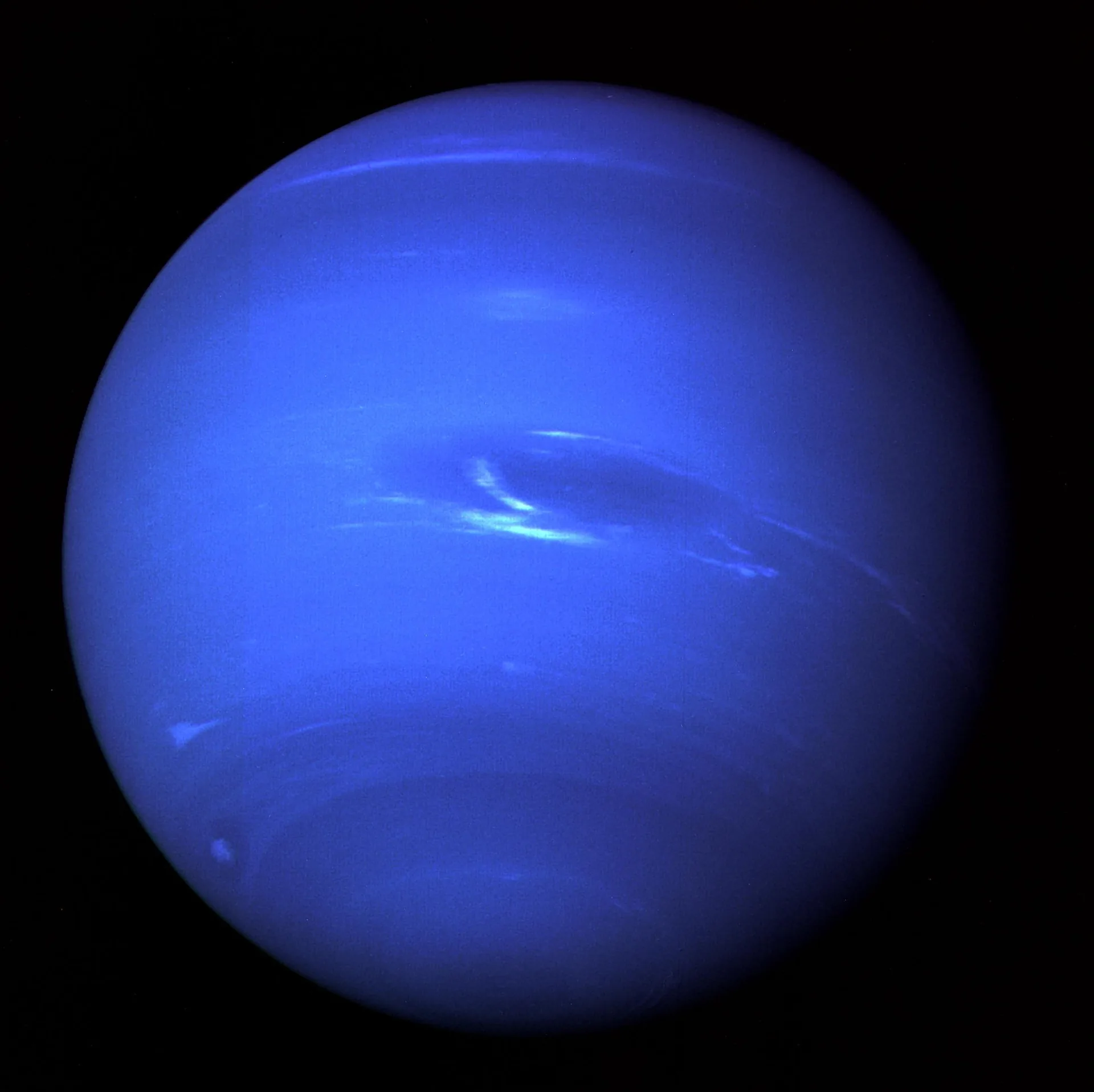
Neptune, the outermost planet, is in many ways Uranus's more dramatic sibling. Despite being the farthest planet from the Sun and receiving very little solar energy, Neptune has the most violent winds in the solar system. Wind speeds at the cloud tops have been measured at over 2,100 kilometers per hour -- faster than the speed of sound on Earth.
Where does the energy come from? Neptune radiates 2.6 times as much energy as it receives from the Sun, meaning it has a powerful internal heat source. This internal energy drives the planet's ferocious atmospheric dynamics. When Voyager 2 flew past in 1989, it photographed the Great Dark Spot -- a massive storm system comparable in relative size to Jupiter's Great Red Spot. When the Hubble Space Telescope looked at Neptune a few years later, the Great Dark Spot had vanished, but new storms had appeared. Neptune's atmosphere is dynamic and ever-changing.
Like Uranus, Neptune has a highly tilted and offset magnetic field -- 47 degrees from the rotation axis and displaced from the planet's center. This suggests that the magnetic field is not generated in the planet's core, as it is in Earth and Jupiter, but rather in a conductive layer at intermediate depth, possibly a shell of water, ammonia, and methane compressed into an electrically conductive state.
Neptune's atmosphere also contains methane, giving it a deeper, more vivid blue color than Uranus. The difference in color between the two planets is not fully understood and may relate to differences in atmospheric haze or the depth at which methane is concentrated.
Diamond Rain: Science Fiction Made Real
One of the most evocative hypotheses about the ice giants is the idea that it rains diamonds in their interiors. At depths where pressures reach millions of atmospheres and temperatures soar to thousands of degrees, methane molecules are thought to be squeezed apart. The carbon atoms, freed from their hydrogen partners, are compressed into diamond crystals that then sink deeper into the planet like glittering precipitation.
This is not pure speculation. In 2017, researchers at the SLAC National Accelerator Laboratory used high-powered lasers to compress polystyrene (a stand-in for the hydrocarbon mixtures found in ice giant interiors) and directly observed the formation of nanoscale diamond crystals at pressures and temperatures consistent with ice giant conditions. Follow-up experiments have continued to support the diamond rain hypothesis.
If diamond rain is real, it could play a significant role in the internal heat budgets of Uranus and Neptune. The sinking diamonds would convert gravitational potential energy into heat as they fall, contributing to the planet's internal energy output. This mechanism might help explain Neptune's surprisingly high heat output -- and, intriguingly, its absence might explain why Uranus radiates very little internal heat, one of the great unsolved puzzles of planetary science.
The Ring Systems Nobody Talks About
Both Uranus and Neptune have ring systems, though they are far fainter and less spectacular than Saturn's. Uranus has 13 known rings, discovered in 1977 during a stellar occultation observation. They are narrow, dark, and composed of particles that appear to be coated in dark, carbon-rich material. Neptune has five named rings, including the peculiar Adams ring, which contains bright arcs -- clumps of ring material that should spread out evenly but do not, held in place by the gravitational influence of the small moon Galatea.
These ring systems raise questions. Why are they so different from Saturn's? How old are they? Are they being replenished by material from small moons, or are they slowly dissipating? We cannot answer these questions with the limited data from Voyager 2's flybys. An orbiter mission could study the rings in detail over months or years, tracking changes and measuring particle properties.
Triton: Neptune's Captured World
Any mission to Neptune would also study Triton, the planet's largest moon and one of the most intriguing objects in the solar system. Triton orbits Neptune in a retrograde direction -- opposite to Neptune's rotation -- which almost certainly means it was captured from the Kuiper Belt rather than forming alongside Neptune. It is essentially a Kuiper Belt object that got caught.
Triton has a thin nitrogen atmosphere, active geysers that shoot dark material several kilometers above the surface, and a young, sparsely cratered surface that hints at geological activity. Its surface temperature is about minus 235 degrees Celsius, making it one of the coldest places in the solar system, yet something is driving geological processes.
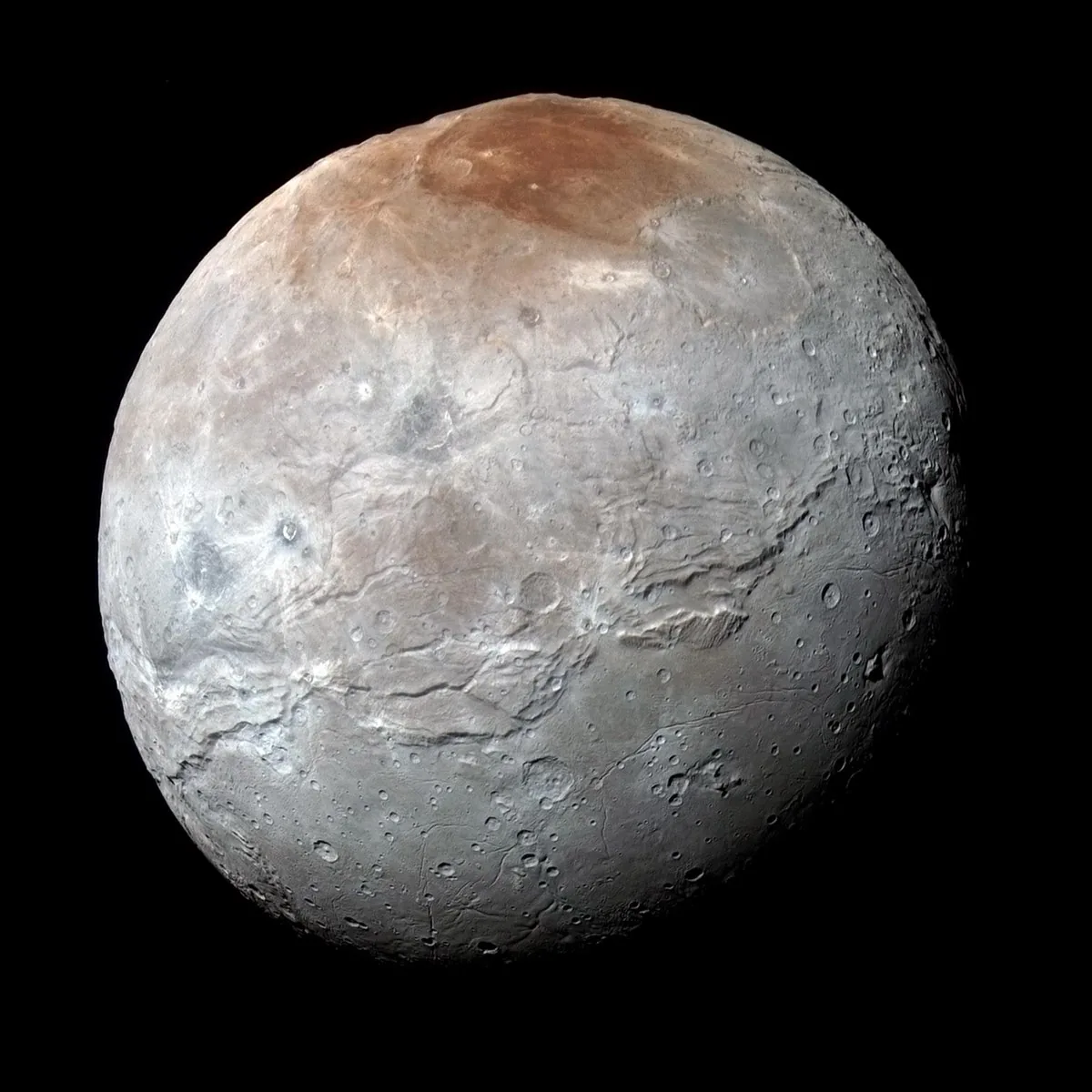
Triton is thought to be similar in size and composition to Pluto, which the New Horizons mission revealed to be a geologically complex and surprisingly active world. A dedicated flyby or orbital study of Triton could provide a comparative perspective on Kuiper Belt objects and deepen our understanding of this distant population of icy bodies.
The Window Is Closing (Then Opening Again)
There is a practical consideration that adds urgency to the Uranus Orbiter and Probe. Mission planners have identified a favorable launch window around 2031 to 2032 that would allow the spacecraft to use a Jupiter gravity assist, significantly reducing the travel time to Uranus. Missing this window would mean either a much longer journey or waiting for the next favorable alignment, which would push arrival well into the 2040s.
The scientific case is overwhelming. The ice giants are the most common type of planet in the galaxy -- surveys of exoplanets have shown that ice-giant-sized worlds are far more prevalent than gas giants like Jupiter and Saturn or rocky worlds like Earth. Yet the only examples we can study up close are right here in our solar system, and we have barely looked at them.
Uranus and Neptune are not forgotten because they are uninteresting. They are forgotten because they are far away and hard to reach. But the science they offer -- insights into planetary formation, atmospheric dynamics, exotic chemistry, and the most common planetary archetype in the universe -- is worth every kilometer of the journey.
These two blue worlds have been waiting patiently at the edge of our solar system for over three decades. It is time we paid them another visit.