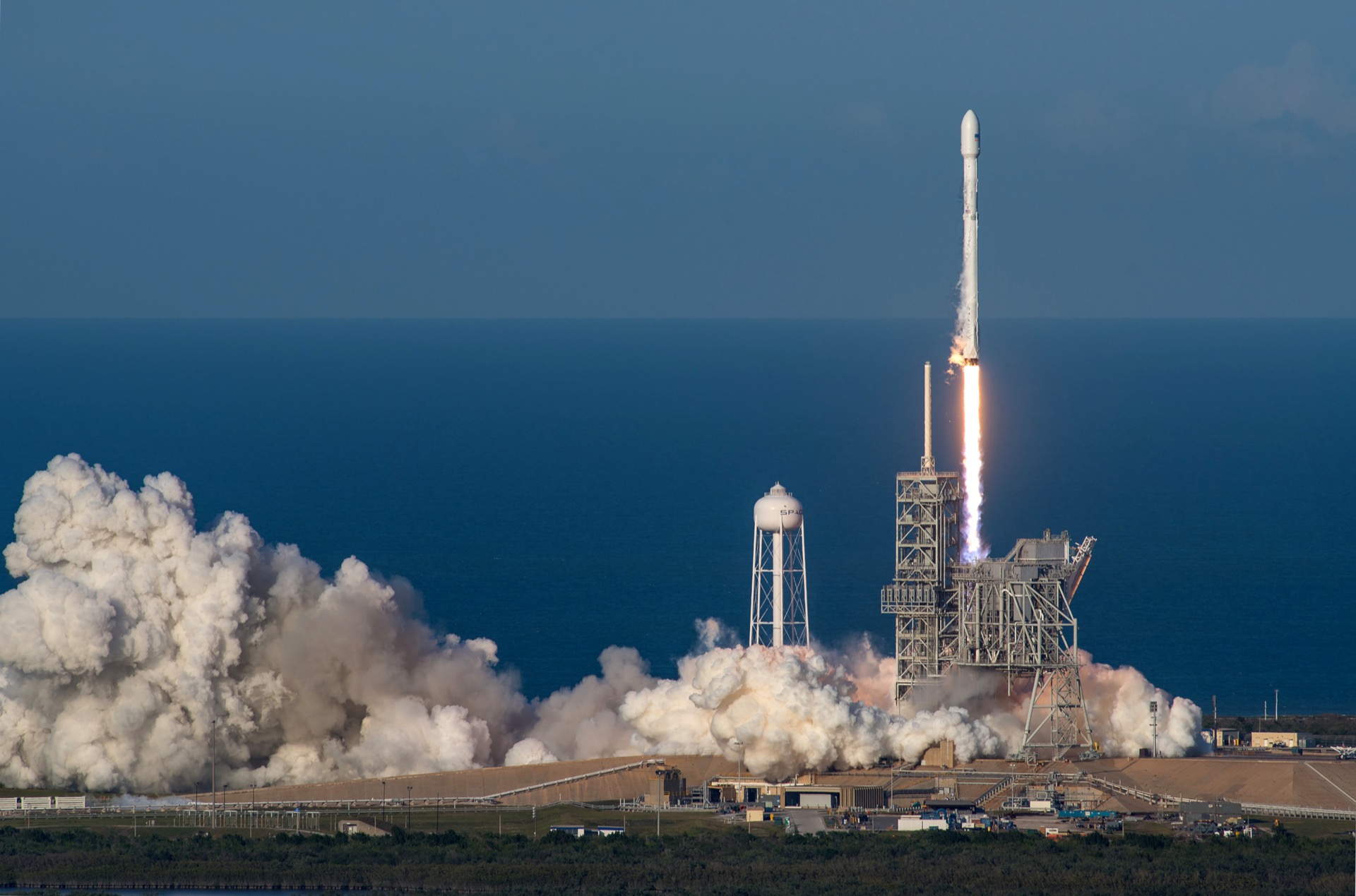
On June 12, 2026, the most valuable private company in history stopped being private. SpaceX shares began trading on the Nasdaq under the ticker SPCX, and by the closing bell the company that builds Falcon 9, Starship and Starlink had been re-priced in front of the whole world. The verdict from the open market was emphatic: SpaceX is now worth more than $2 trillion, a number that would have sounded absurd for a rocket company even five years ago.
This was not just another technology listing. It was the largest initial public offering ever attempted, the culmination of a process the company had code-named internally and that the broader market had spent a year trying to value. The debut answered some questions — how much capital SpaceX could raise, and at what price the public would buy — while opening a far louder argument about whether the price makes any sense at all, and what a publicly traded SpaceX means for everyone else in orbit.
How Big Was SpaceX's IPO — and What Happened on Day One
SpaceX priced its offering at $135 per share, selling more than 555 million shares to raise roughly $75 billion. That figure alone rewrites the record books. Saudi Aramco's 2019 listing raised about $25.6 billion; Alibaba's 2014 IPO raised roughly $25 billion. SpaceX's raise is approximately three times the size of any prior offering in modern market history — a genuinely new category of capital event.
The first day of trading went the way bankers dream about. The stock opened around $150, climbed as high as $176.52 intraday, and closed at $161.11 — a gain of 19.34% over the $135 offer price. At that close, SpaceX carried a market value above $2 trillion, vaulting it into the ranks of the most valuable public companies in the United States, in the same conversation as a handful of trillion-dollar technology giants.
One structural detail set this listing apart from a typical mega-IPO. According to reporting around the offering, Elon Musk pushed to allocate a far larger share of the deal to retail investors — discussed at up to 30% of the offering, versus the 5% to 10% usually reserved for individuals. The framing was deliberate: SpaceX wanted ordinary people, not only institutions, to own a piece of the company carrying humanity's most ambitious spaceflight program. For the underlying numbers behind the listing, SpaceX's own investor relations materials and the prospectus filed with the U.S. Securities and Exchange Commission are the primary sources of record.
Why Elon Musk Took SpaceX Public Now
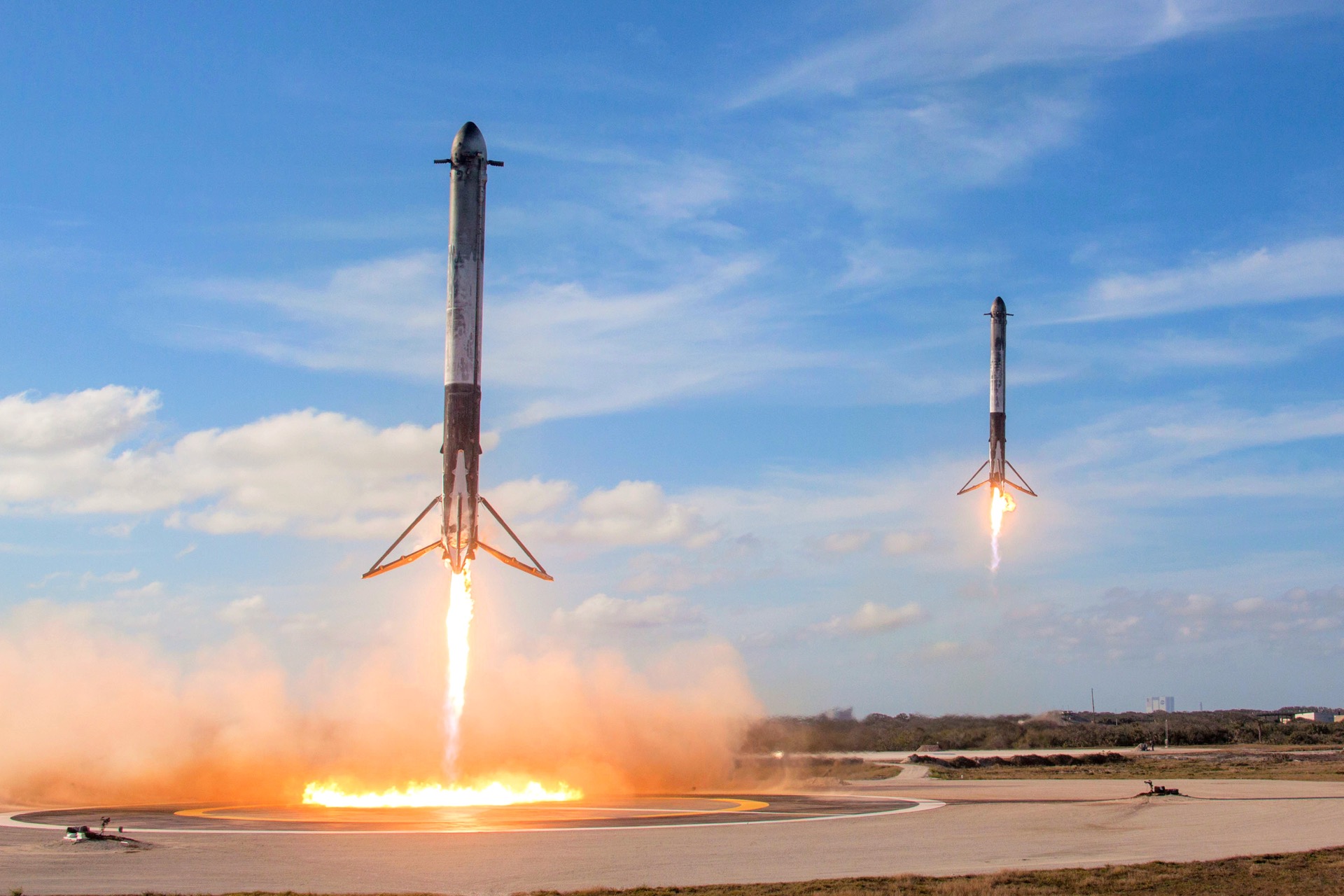
For years, the official line was that SpaceX would not go public until it was routinely flying people to Mars. SpaceX President Gwynne Shotwell said as much in 2018, and Musk himself had long expressed discomfort with the way public-market scrutiny shaped Tesla — worrying aloud that quarterly pressure to deliver shareholder returns could collide with the long, expensive, failure-prone work of making humanity multiplanetary.
So why move now, with Mars settlement still years away? The honest answer is that the strategic landscape changed. The explosion in demand for artificial-intelligence compute reframed what SpaceX is. After an all-stock merger with Musk's AI venture xAI earlier in 2026, SpaceX could pitch itself not only as a launch-and-internet company but as a vertically integrated space-and-AI platform — one with a credible story about putting data centers in orbit. That narrative is far easier to finance in public markets than a pure Mars-colonization thesis.
Musk has, in his characteristic way, mostly let others make the argument for him. When the space journalist Eric Berger published an analysis titled "Here's why I think SpaceX is going public soon," Musk replied simply: "As usual, Eric is accurate." It was a tacit confirmation that the timing was driven by opportunity — abundant capital chasing AI and space at once — rather than by any change of heart about the risks of public ownership. The deeper question of how a Mars mission survives quarterly earnings pressure is one the company has only begun to answer, and it is explored in this site's pre-IPO SpaceX investor deep dive.
What SpaceX Will Build With $75 Billion: Starship, Mars and Orbital AI
A $75 billion war chest is not raised to keep the lights on. SpaceX has signaled that the proceeds are meant to accelerate four expensive frontiers at once.
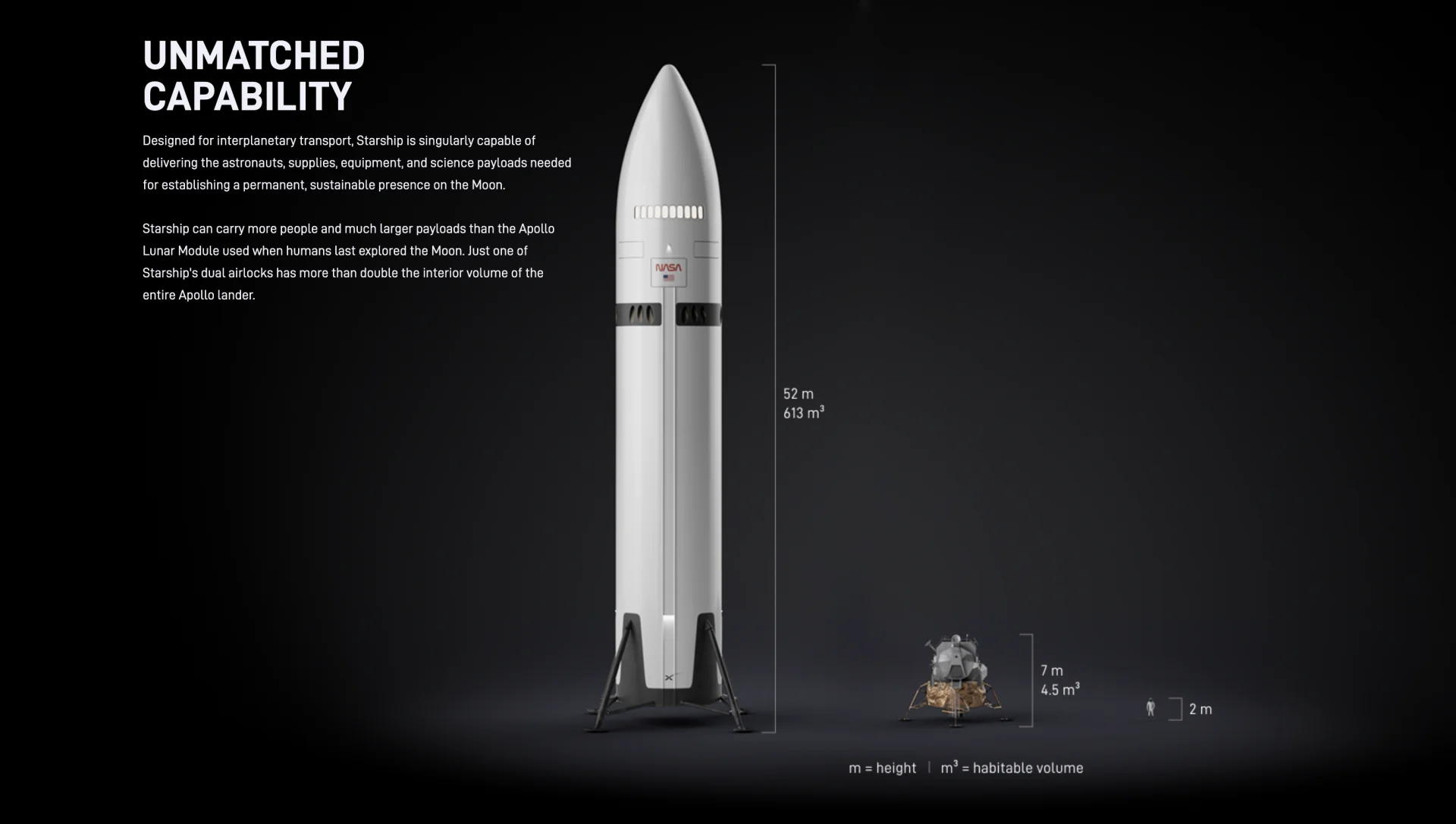
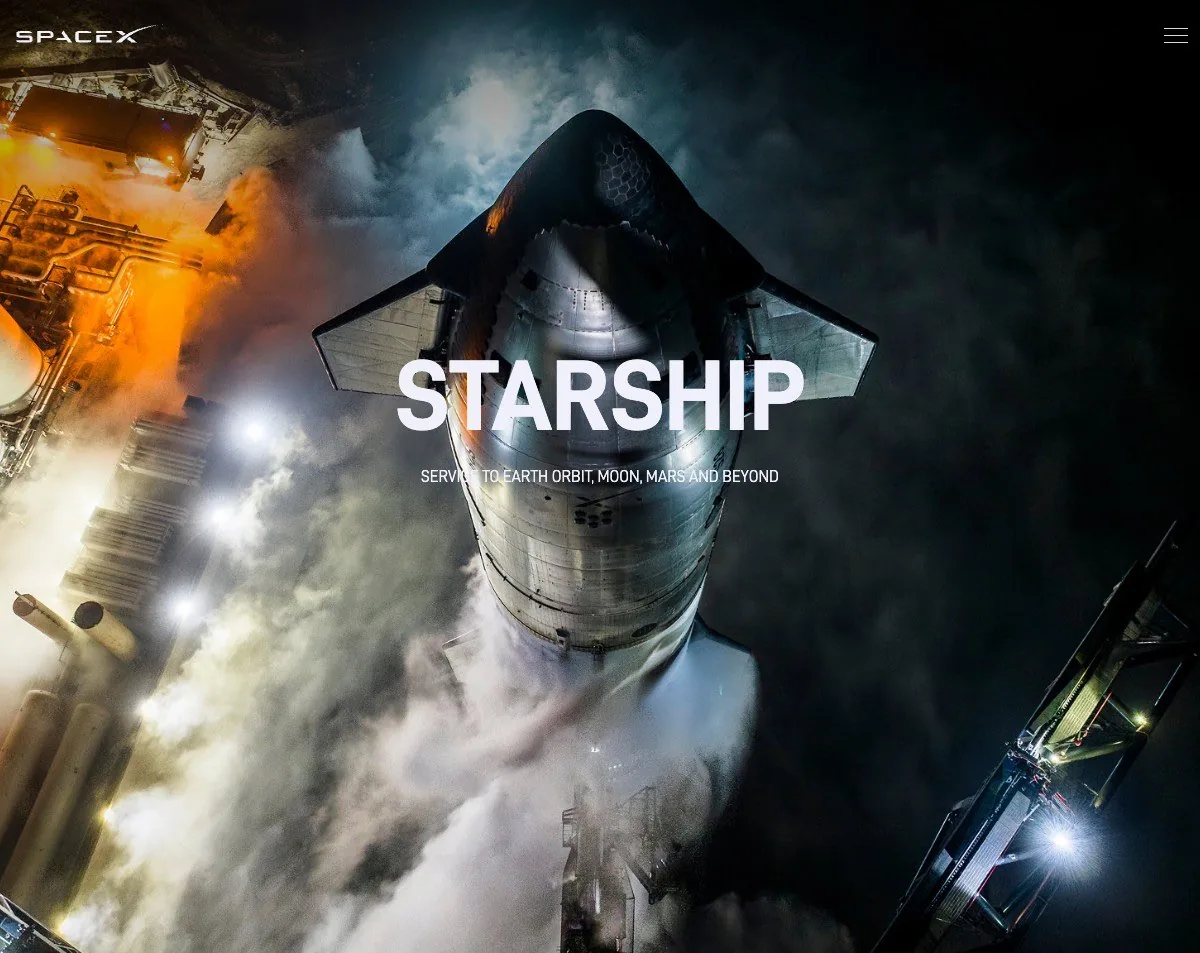
The first is Starship. The fully reusable super-heavy vehicle is the backbone of every long-term plan SpaceX has — cheaper launch, larger Starlink satellites, lunar landers and eventual Mars transport. The capital is aimed squarely at lifting Starship's flight rate from a test cadence to an operational one. The economics of that transition are dissected in the site's Starship economics investor analysis.
The second frontier is space-based AI compute — orbital data centers that use the unlimited solar power and natural cooling of space to run AI workloads. This is the post-xAI narrative that lets SpaceX argue for a technology multiple rather than a satellite-operator multiple, and it is the most speculative line item in the entire pitch.
The third and fourth are the missions that started it all: a sustained lunar presence the company refers to as Moonbase Alpha, supported by SpaceX's Starship Human Landing System for NASA's Artemis program, and both uncrewed and crewed Mars flights. These are the goals investors are effectively subsidizing — and the ones least likely to generate near-term returns.
SpaceX's Revenue Goal: A Trillion Dollars a Year by 2030

The valuation only makes sense against an extraordinary growth forecast. According to its prospectus, SpaceX generated roughly $18.7 billion in revenue in 2025, up about 33% year over year, alongside a net loss of around $4.9 billion and EBITDA of roughly $6.58 billion. The losses are a feature, not a bug: Starship research and development drove a $657 million operating loss in the space segment, and the AI build-out consumed billions more.
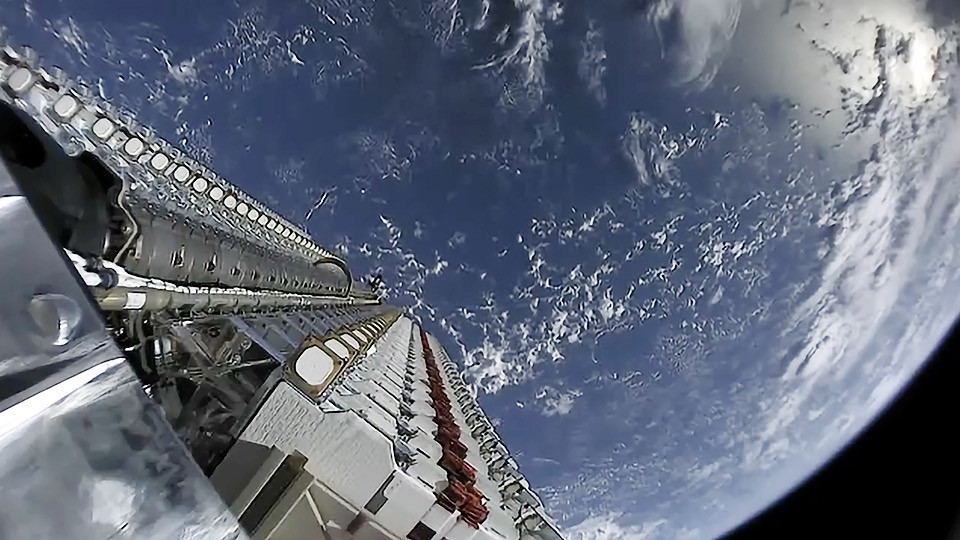
The profit engine is Starlink. The satellite-internet business grew nearly 50% to about $11.4 billion in 2025 — roughly 60% of total company revenue — and, crucially, threw off around $4.4 billion in operating income at a 39% margin. By the end of March 2026, Starlink served an estimated 10.3 million subscribers across 164 markets through a constellation of roughly 9,600 satellites. In other words, the cash that funds Starship, Mars and orbital AI is being generated by selling broadband from low Earth orbit. The unit economics behind that engine are broken down in the Starlink business deep dive.
The forward target is staggering. Musk has publicly suggested SpaceX could reach approximately $1 trillion in annual revenue by 2030, adding that he would be surprised if revenue were not above $1 trillion in 2031 — a forecast far higher than most Wall Street models, which tend to price in Starlink at around $40 billion and Starship reusable at scale by decade's end. The gap between Musk's number and the analyst consensus is, in many ways, the entire SPCX debate compressed into a single figure.
Wall Street Is Split: The Bull and Bear Case for SPCX
Rarely has a marquee IPO produced so wide a gulf between credible analysts. On the bullish side, Oppenheimer's Timothy Horan opened coverage with an "outperform" rating and a $190 price target, framing SpaceX as "the only vertically integrated AI company with the required capital, data, LLMs, hardware, manufacturing and engineering talent." Wedbush's Dan Ives called the listing "an important moment for the broader tech sector," and went further than most by assigning better-than-even odds to an eventual SpaceX–Tesla combination that would knit Musk's empire into a single AI-and-robotics conglomerate.
The bears are just as confident in the other direction. Morningstar analyst Nicolas Owens pegged fair value at just $63 per share — roughly half the IPO price — calling the company "significantly overvalued" and describing the gap above his estimate as an "option premium" of about $72 a share that investors are paying for "lofty ambitions." Even Morningstar's optimistic scenario tops out near $154, barely above the offer. The valuation expert Aswath Damodaran independently estimated SpaceX's enterprise value near $1.22 trillion, well under the implied IPO figure, while commentators including Jim Cramer warned that a multiple near 100 times sales leaves no room for operational error. Adding to bear unease, the offering's lockup terms reportedly allow some insiders to sell unusually early, rather than waiting the customary 180 days.
The two camps are separated by as much as 200% on what SPCX is actually worth — one of the sharpest valuation disagreements in recent IPO history. Both sides have a point: the bears are right that profits have not yet caught up to ambition, and the bulls are right that the demand backlog across launch, broadband and compute is enormous. This site's SpaceX valuation and secondary markets field manual walks through the sum-of-the-parts math that drives both views.
What SpaceX's IPO Means for Rocket Lab, AST SpaceMobile and Space Stocks
The ripple effects on the rest of the sector arrived in two distinct waves. In the weeks before the listing, the prospect of a public SpaceX lifted nearly every space stock — Rocket Lab, AST SpaceMobile, Planet Labs and others rallied as investors bet that a trillion-dollar comparable would drag the whole group's multiples higher.
Then SpaceX actually started trading, and the trade reversed. As Wall Street took profits, satellite and launch names sold off hard into the close of debut week: Rocket Lab fell about 10.8%, AST SpaceMobile slid roughly 15.5%, Intuitive Machines dropped about 13.1%, Planet Labs lost around 8.8% and Redwire fell about 11.6%. The "mark-to-market gravity" that analysts had warned about cut both ways — a fresh public benchmark can reprice peers up or down, and on day one it pulled them down.
The fundamentals underneath those tickers, however, are doing better than the tape. Rocket Lab reported record first-quarter 2026 revenue of $200.3 million, up 63.5% year over year, with a backlog that swelled to roughly $2.2 billion as its larger Neutron rocket advances. AST SpaceMobile, pursuing a direct-to-smartphone satellite network, has assembled nearly 60 mobile-operator partnerships covering more than three billion subscribers and reaffirmed full-year revenue guidance of $150 million to $200 million. A public SpaceX does not change those businesses overnight, but it does something subtler and more permanent: it gives every space company a daily, liquid, multi-billion-share reference price for the category they all operate in. For the broader competitive picture, see how the field stacks up in SpaceX vs Blue Origin.
The bigger picture is that the commercial space economy now has its bellwether. For two decades SpaceX set the pace technically while staying financially opaque; investors had to infer its health from launch counts and leaked tender prices. That opacity is gone. Every quarter, SPCX will print Starlink subscriber growth, Starship cash burn and segment margins for anyone to read — and those numbers will move not only SpaceX but the valuations, financing terms and ambitions of every rocket and satellite company trying to follow it. The largest IPO in history did more than mint the world's most valuable space company. It turned the entire industry's biggest private bet into a public scoreboard, and the game is now being scored in real time.