If you had told me five years ago that 2024 would deliver a private civilian spacewalk, a far-side lunar sample return, and the launch of a spacecraft destined to explore an ocean world around Jupiter, I would have said you were being wildly optimistic. And yet, here we are. The past year has been one of the most remarkable periods in spaceflight history, and 2025 is shaping up to continue that momentum -- even if some of the biggest missions have slipped to 2026.
Let me walk you through what happened, what it means, and what is still to come.
The Missions That Defined 2024
Europa Clipper: Chasing an Alien Ocean
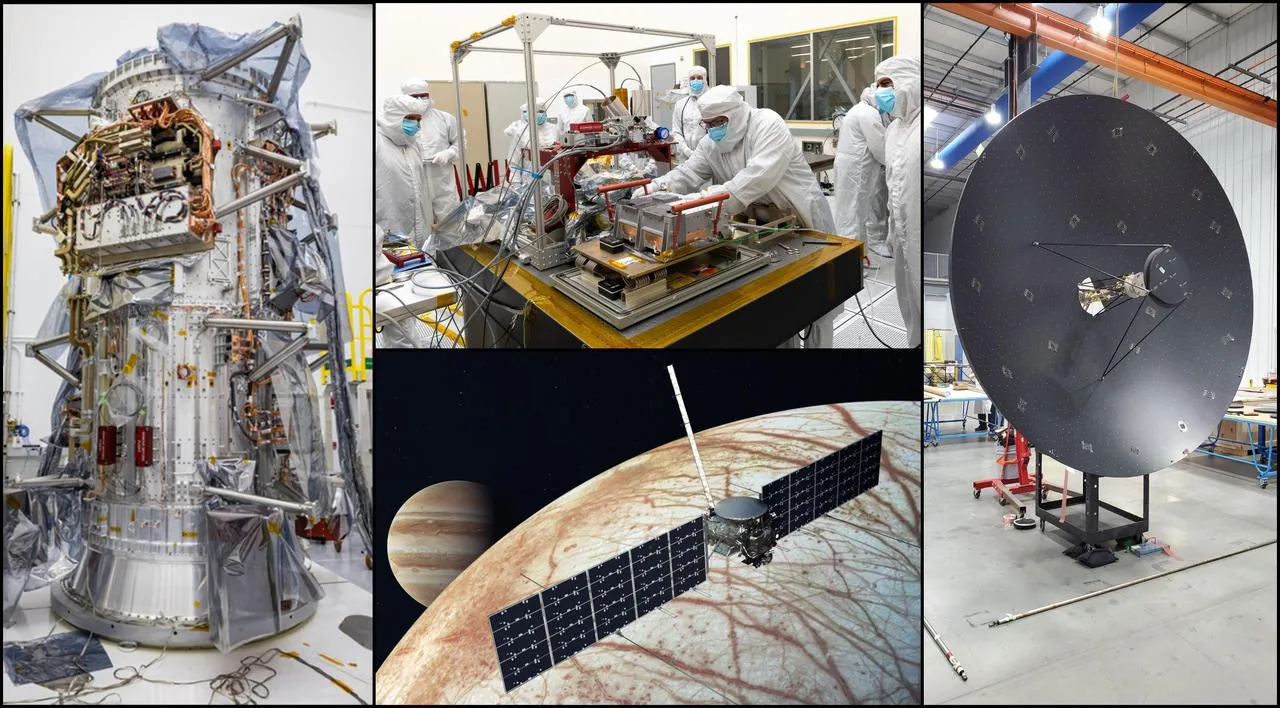
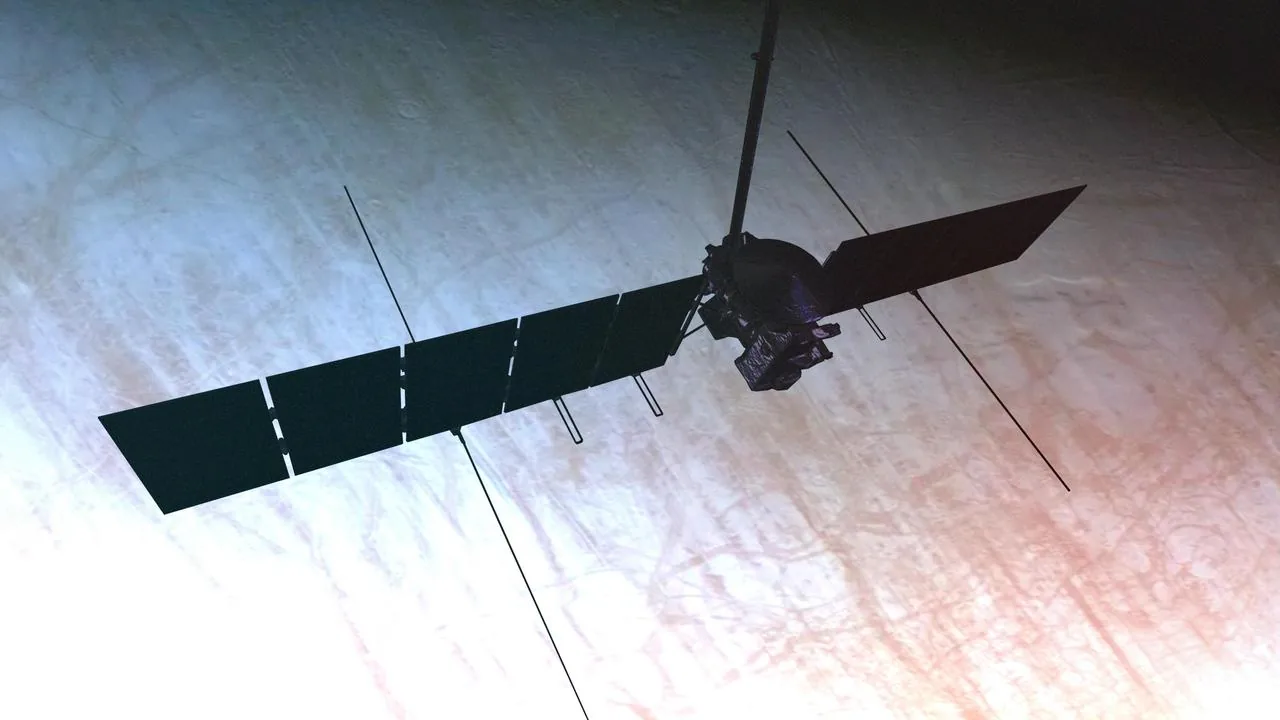
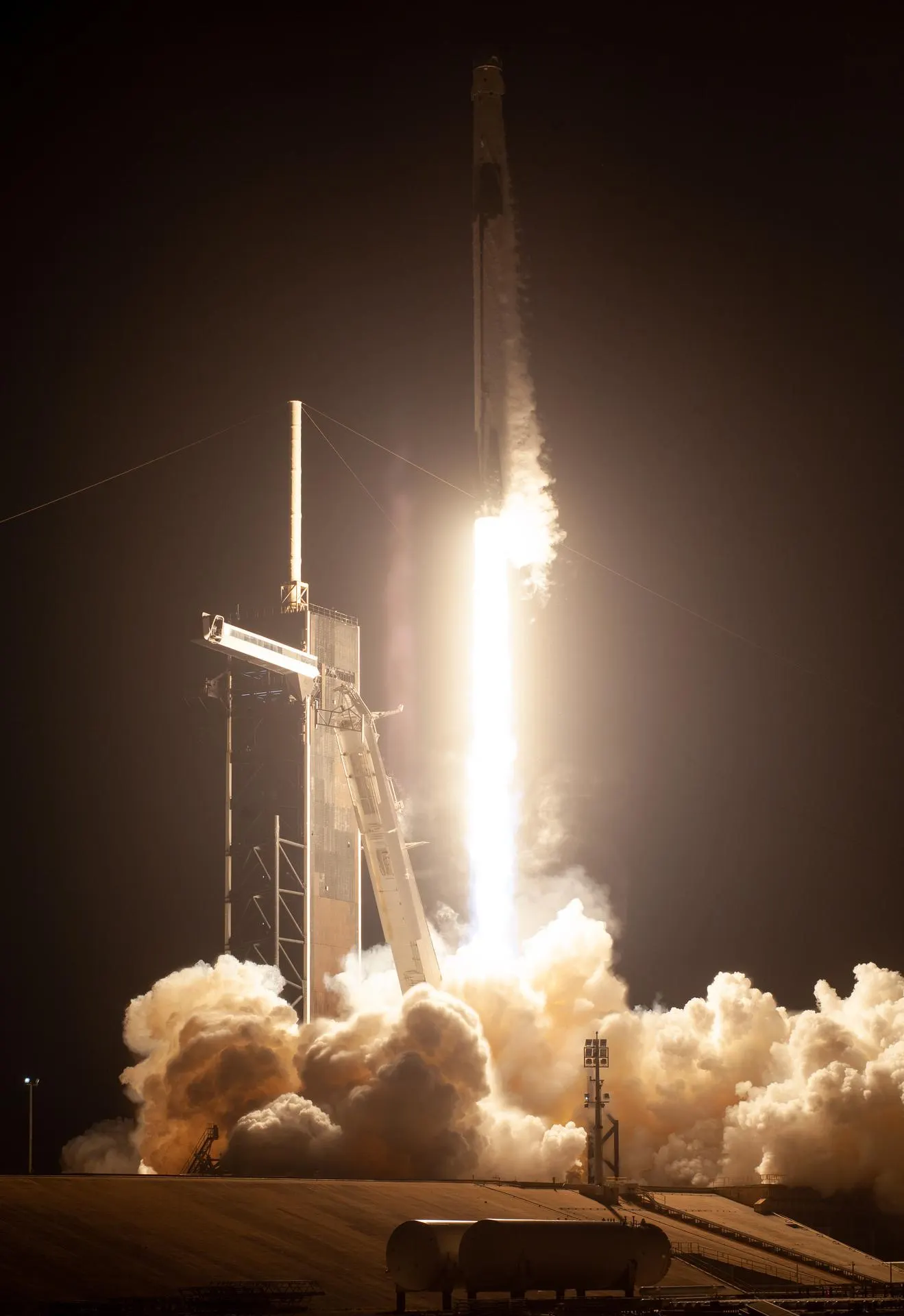
On October 14, 2024, NASA's Europa Clipper lifted off aboard a SpaceX Falcon Heavy from Kennedy Space Center, beginning a 1.8-billion-mile journey to Jupiter's moon Europa. This is arguably one of the most important planetary science missions of our generation.
Why does Europa matter so much? Beneath its cracked, icy shell lies a saltwater ocean that may contain more than twice the water of all Earth's oceans combined. Europa Clipper will perform nearly 50 close flybys, using ice-penetrating radar, a magnetometer, and a suite of spectrometers to determine whether this hidden ocean has the ingredients necessary for life. We will not get answers until the spacecraft arrives in 2030, but the mere fact that this $5 billion mission is now cruising through interplanetary space fills me with genuine excitement.
There was real drama leading up to launch, too. Engineers discovered that certain transistors in the spacecraft's electronics might be vulnerable to Jupiter's intense radiation environment. Months of testing ultimately cleared Europa Clipper for flight, but it was a tense period for the mission team. That resilience -- testing, adapting, pressing forward -- is what makes space exploration so compelling.
Polaris Dawn: A Private Spacewalk That Changed Everything
In September 2024, the Polaris Dawn mission made history when mission commander Jared Isaacman and SpaceX engineer Sarah Gillis performed the first-ever commercial spacewalk, stepping outside a SpaceX Crew Dragon capsule at an altitude of roughly 460 miles above Earth. The crew of four also reached the highest Earth orbit since the Gemini program in the 1960s, traveling over 870 miles from our planet's surface.
This was not just a stunt. The crew tested SpaceX's newly developed extravehicular activity (EVA) suits, which are significantly lighter and more streamlined than the bulky suits used on the International Space Station. They also conducted research on the effects of spaceflight on human health, including studies on the impact of the space radiation environment at higher altitudes. Polaris Dawn demonstrated that private citizens can perform meaningful work in space -- not just ride along as passengers. That distinction matters enormously for the future of commercial space stations and deep-space exploration.
Chang'e 6: Samples from the Moon's Hidden Side
China's Chang'e 6 mission pulled off something no nation had ever done before: it collected soil and rock samples from the far side of the Moon and returned them safely to Earth. The spacecraft landed in the South Pole-Aitken Basin in June 2024, scooped up approximately 1,935 grams of material using both a drill and a robotic arm, and launched a small ascent vehicle back into lunar orbit for rendezvous and eventual return to Earth.
The far side of the Moon is geologically distinct from the near side we see every night. These samples are already yielding insights into the Moon's volcanic history and interior composition. For planetary scientists, this is pure gold. China's lunar program has now executed a string of flawless missions -- Chang'e 4's far-side landing, Chang'e 5's near-side sample return, and now Chang'e 6 -- establishing CNSA as one of the most capable space agencies on the planet.
Ariane 6: Europe Gets Back in the Launch Game
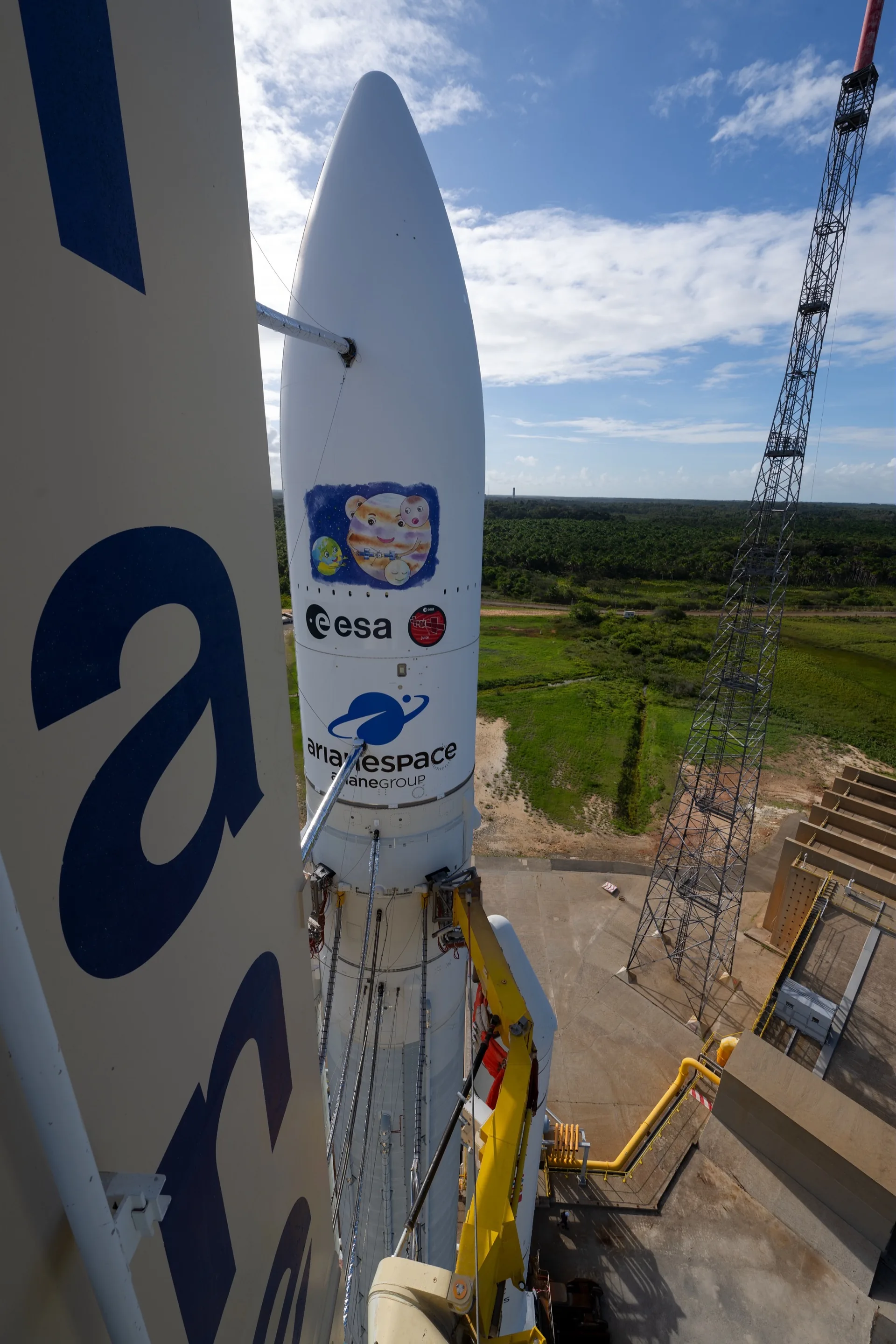
On July 9, 2024, ESA's long-awaited Ariane 6 rocket completed its inaugural flight from the Guiana Space Centre in Kourou, French Guiana. After years of delays and mounting pressure from commercial competitors like SpaceX and Rocket Lab, Europe finally had independent access to space again.
The first flight was largely successful, though the upper stage's auxiliary power unit experienced an anomaly that prevented the planned deorbiting of the stage. It was not a perfect debut, but it was a critically important one. With the retirement of Ariane 5 in 2023, Europe had been temporarily unable to launch its own heavy payloads -- a strategically uncomfortable position. Ariane 6 restores that capability and sets the stage for a more competitive European launch industry.
Hera: Following Up on Planetary Defense
ESA's Hera mission launched in October 2024, heading to the Didymos-Dimorphos asteroid system to survey the aftermath of NASA's DART impact from 2022. When DART deliberately slammed into the small moonlet Dimorphos, it successfully altered its orbit -- the first time humanity intentionally changed the trajectory of a celestial body. Hera will arrive in late 2026 to study the resulting crater and measure Dimorphos's internal structure, giving us crucial data for future planetary defense strategies.
Looking Ahead: The Big Missions of 2025 and Beyond
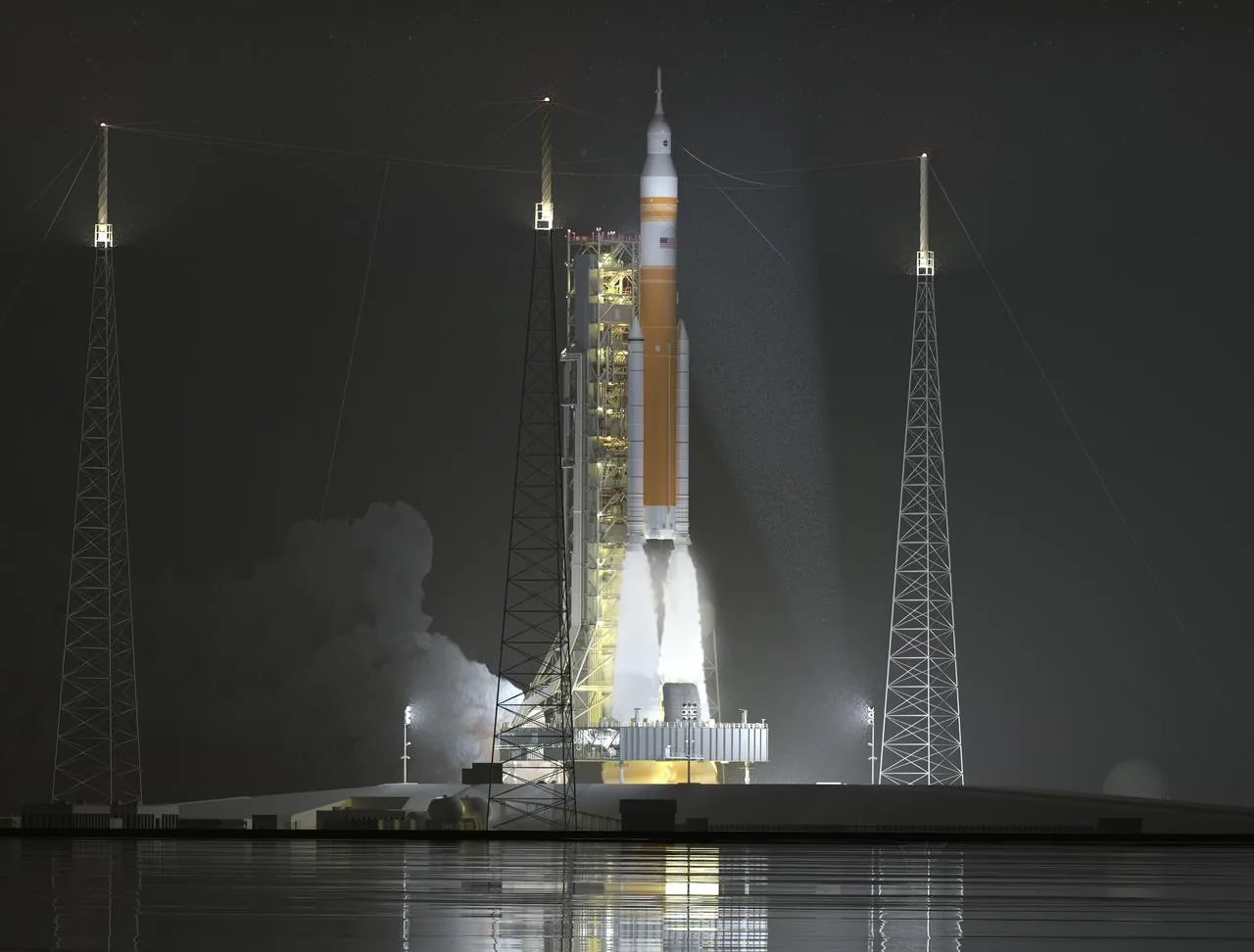
Artemis II -- Now Targeting 2026
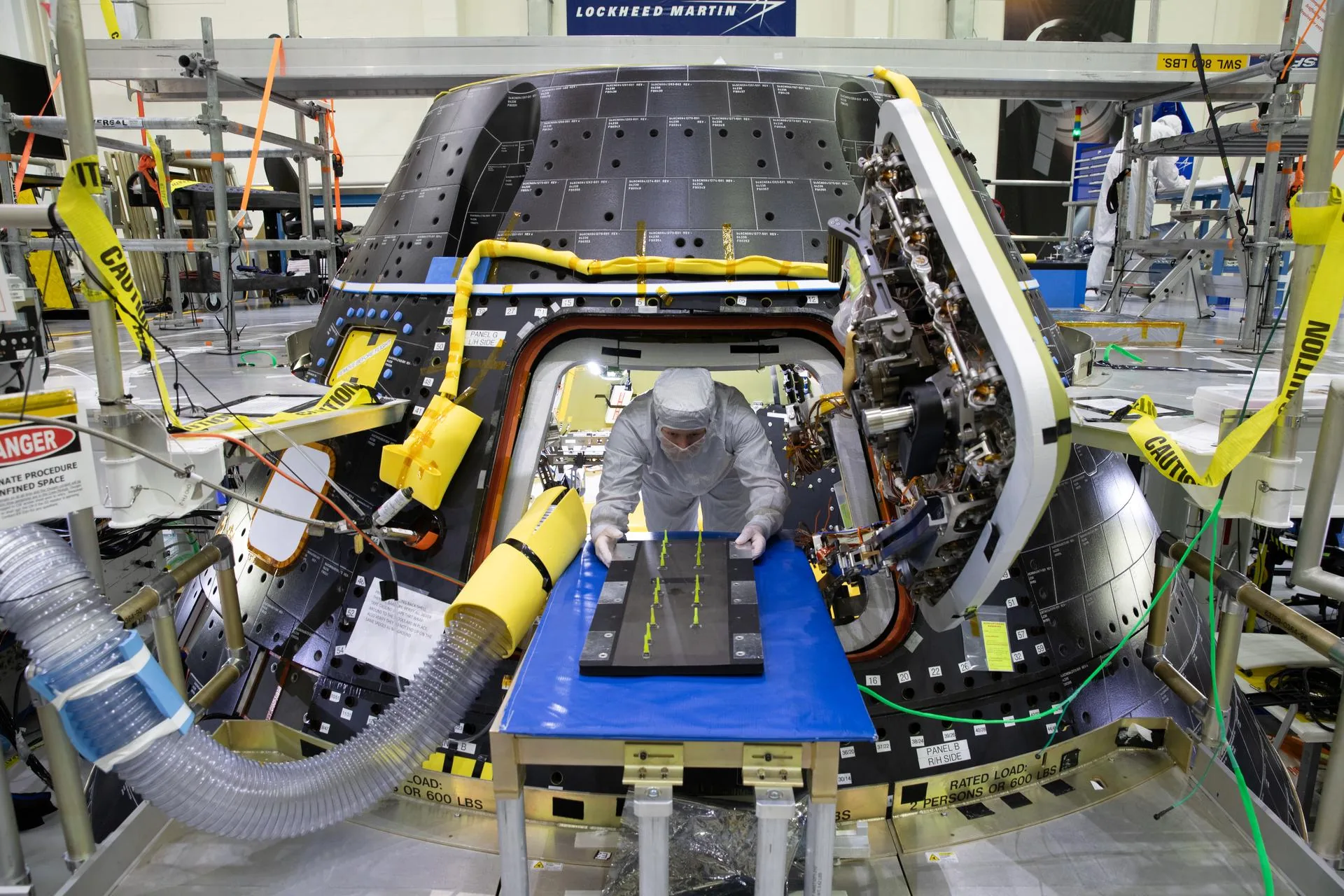
The mission space enthusiasts have been waiting for -- Artemis II, NASA's first crewed flight to the Moon since Apollo 17 in 1972 -- has been delayed. Originally planned for late 2024, then pushed to September 2025, the mission is now targeting April 2026. The primary reason is concerns about the Orion spacecraft's heat shield, which experienced unexpected charring and material loss during the uncrewed Artemis I mission in December 2022. NASA is taking the time to understand and resolve the issue before putting four astronauts on board, and honestly, that is the right call. Space is unforgiving, and getting this right matters more than meeting a deadline.
Gaganyaan: India Reaches for the Stars
India's first crewed spaceflight, Gaganyaan, is one of the most anticipated missions of 2025. ISRO has been methodically working toward this goal, completing uncrewed test flights and abort system demonstrations. If successful, India will become only the fourth nation to independently send humans to space, after Russia, the United States, and China. The mission will carry Indian astronauts (called vyomanauts) to low Earth orbit for a short-duration stay. For a country that has achieved so much with comparatively modest budgets -- from the Mars Orbiter Mission to Chandrayaan-3's successful lunar landing in August 2023 -- Gaganyaan represents a crowning achievement.
Chang'e 7: Scouting the Lunar South Pole
China's next lunar mission, Chang'e 7, is planned for 2025 and will target the Moon's south pole to search for water ice in permanently shadowed craters. The mission will include an orbiter, a lander, a rover, and a small flying probe capable of hopping into craters to directly sample the environment. If water ice is confirmed in usable quantities, it fundamentally changes the economics of building a sustained human presence on the Moon. Both NASA's Artemis program and China's International Lunar Research Station plans depend on this resource being available.
New Glenn: Blue Origin's Orbital Debut
After years of development, Blue Origin's New Glenn rocket completed its first flight in January 2025. While the booster was lost during the first-stage landing attempt, the upper stage successfully reached orbit -- a major milestone for Jeff Bezos's space company. New Glenn is a heavy-lift vehicle designed to compete directly with SpaceX's Falcon 9 and Falcon Heavy, and its successful entry into the market brings much-needed competition to the commercial launch industry. Blue Origin has already secured contracts with NASA, Amazon's Project Kuiper, and Telesat for future New Glenn flights.
The Bigger Picture
What strikes me most about this era is the sheer breadth of activity. We are no longer in a world where one or two space agencies define the frontier. In 2024 alone, the United States, China, Europe, and private companies all achieved missions that would have been headline-dominating events in any previous decade. India and Japan are pushing forward with their own ambitious programs. Commercial space stations are being designed. Planetary defense is no longer science fiction.
There are setbacks, of course -- delays to Artemis, budget pressures across agencies, the cancellation of NASA's VIPER lunar rover due to cost overruns. Space exploration has always been a story of persistence in the face of difficulty. But the trajectory is unmistakable: humanity's reach into the cosmos is accelerating, driven by more players, more technology, and more ambition than at any point in our history.
The next few years are going to be extraordinary. Hold on tight.