India in Space
The Indian Space Story
From a 1963 sounding rocket carried on a bicycle to a Moon landing near the lunar south pole — ISRO, the NewSpace boom, and the people carrying India off-planet.
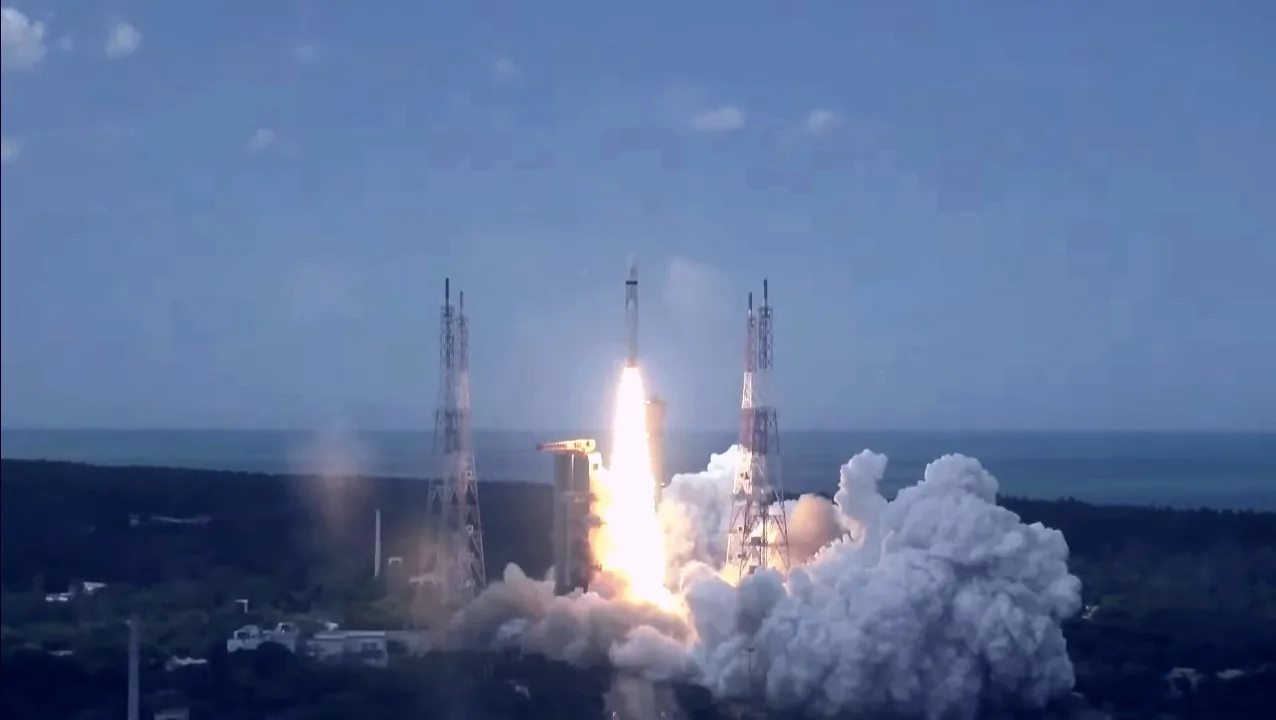
India runs one of the world's most cost-effective space programmes. In three decades it has gone from launching sounding rockets to soft-landing on the Moon, parking a spacecraft at the Sun–Earth L1 point, and opening the floodgates to a private space industry now hundreds of companies strong. This is the whole picture — the missions, the companies, and the people.
Flagship programmes
All programmes →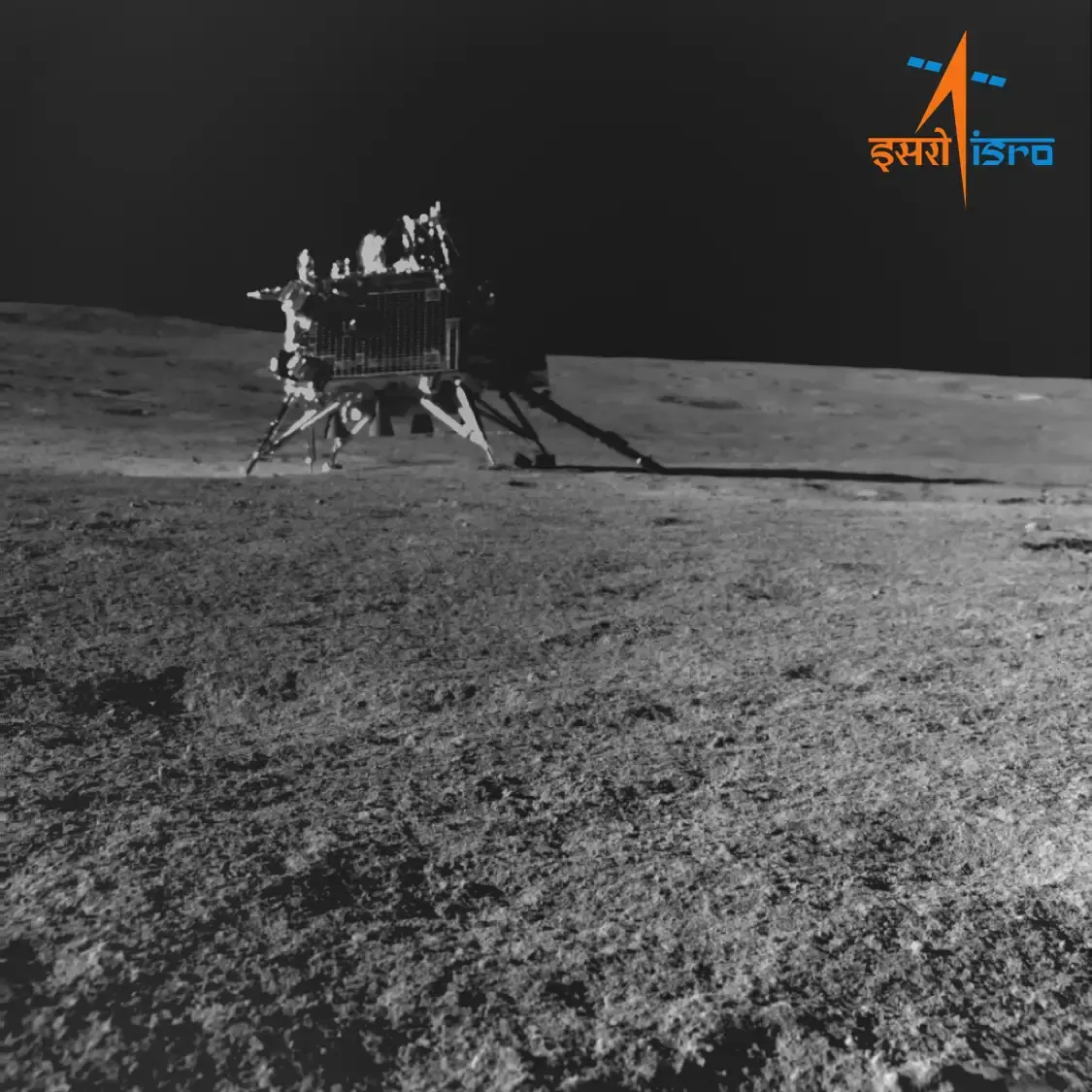
Chandrayaan Programme
ActiveChandrayaan is India's lunar exploration series spanning four flagship missions — from the 2008 Chandrayaan-1 orbiter that first demonstrated lunar surface water signatures via NASA's Moon Mineralogy Mapper, through the 2023 Chandrayaan-3 south-polar soft landing at Shiv Shakti Point (the first ever near the lunar south pole) at a mission cost of Rs 615 crore (~$75M), to the Cabinet-approved Chandrayaan-4 sample-return mission and the JAXA-partnered LUPEX rover targeting polar volatile ice [1][2][3][4]. The series anchors a sustained Indian lunar industrial base across HAL, L&T, BEL and Godrej Aerospace at price-per-mission roughly an order of magnitude below NASA / CNSA equivalents.
Gaganyaan Programme
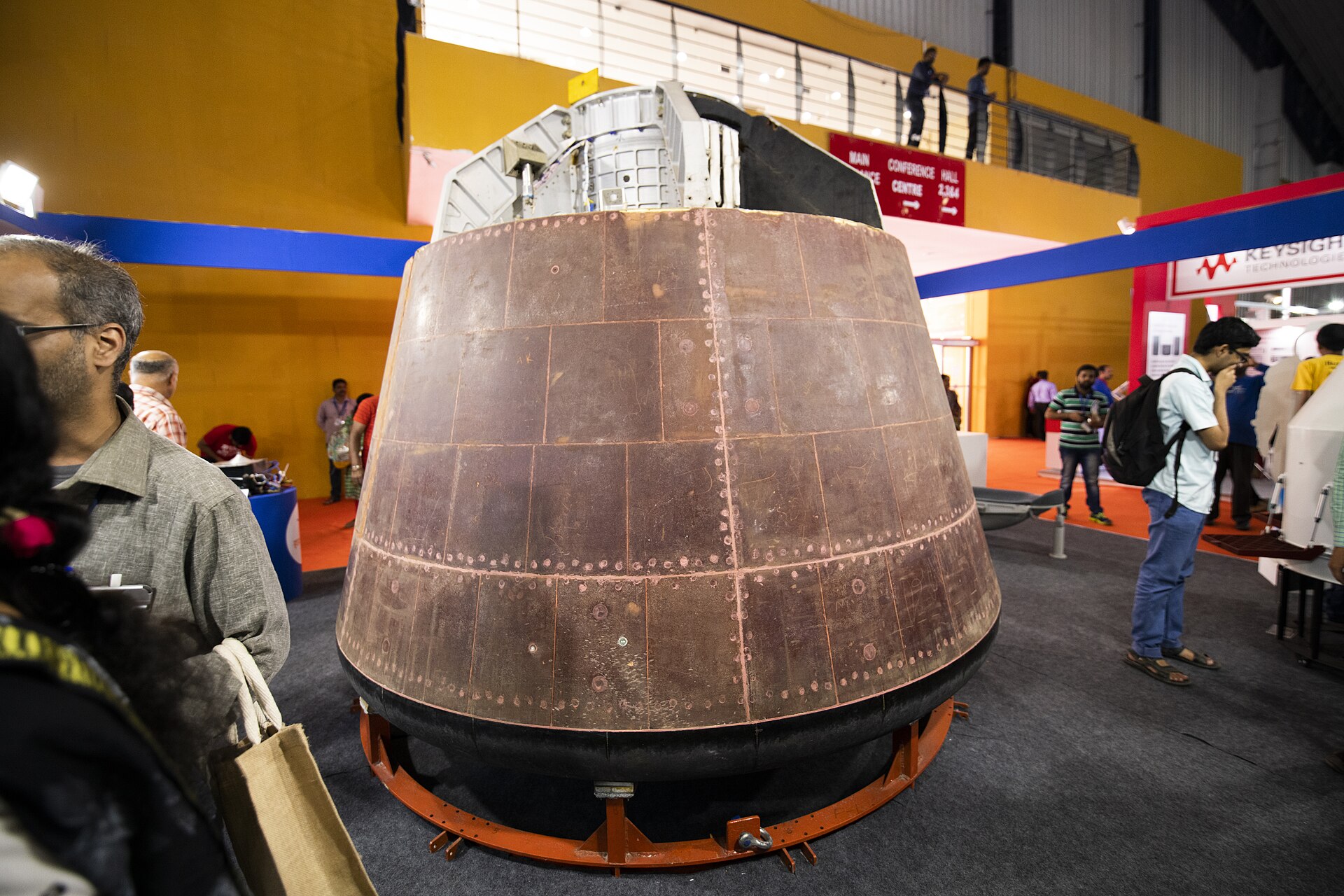
ActiveGaganyaan is India's first indigenous crewed spaceflight programme, targeting a three-astronaut, three-day low-Earth-orbit mission no earlier than 2026-2027 aboard a human-rated LVM3 launch vehicle [1][2]. Approved by the Union Cabinet at an initial outlay of approximately Rs 9,023 crore (~$1.1B) and subsequently expanded under the Bharatiya Antariksha Station (BAS) roadmap to ~Rs 20,193 crore through 2035, the programme converts ISRO's robotic credibility into a sustained human-spaceflight industrial base anchored by HAL, L&T and Godrej Aerospace [3][4].
Aditya-L1 Programme
ActiveAditya-L1 is India's first dedicated solar observatory, launched on PSLV-XL C57 on September 2, 2023 and inserted into a halo orbit around the Sun-Earth Lagrange point L1 on January 6, 2024 [1][2]. With seven indigenous instruments — including the Visible Emission Line Coronagraph (VELC) and Solar Ultraviolet Imaging Telescope (SUIT) — and a total approved cost of approximately Rs 400 crore (~$48M), the mission delivers continuous coronal, photospheric and solar-wind observations at price-points roughly an order of magnitude below comparable NASA / ESA solar-physics flagships [3][4].
NISAR (NASA-ISRO SAR)
ActiveNISAR is the most expensive Earth-imaging satellite ever flown (~$1.5B total: NASA ~$1.1B, ISRO ~$93M) and the first dual-frequency L-band + S-band SAR observatory — a NASA-ISRO bilateral that converts two decades of US-India space-cooperation diplomacy into a 3-year operational mission [1][2][3]. Launched July 30, 2025 on a GSLV-F16 from Sriharikota and operating in a Sun-synchronous polar orbit, NISAR maps Earth's land, ice and biomass every 12 days at centimetre-scale precision — feeding climate, hazard, and agricultural intelligence into NASA EOSDIS and ISRO Bhuvan ground systems [4][5][6].
India's NewSpace companies
All companies →Skyroot Aerospace
Private Launch (India)
Founded 2018$1.1B (Series D unicorn round, post-money)
Agnikul Cosmos
3D-Printed Small-Lift Launch
Founded 2017$500M+ (Series C extension, post-money)
Pixxel
Hyperspectral Earth Observation
Founded 2019~$210M (Series B, Dec 2024); a 2026 Series-B expansion is forming at a reported ~$400M pre-money (targeting $80–100M, GIC increasing its stake) — not yet closed
Bellatrix Aerospace
In-Space Propulsion
Founded 2015~$31M cumulative
Dhruva Space
Satellite Manufacturing & Mission Services
Founded 2012$21.4M cumulative
GalaxEye
Multi-Sensor Earth Observation
Founded 2021$18.8M cumulative
Digantara
Space Situational Awareness (SSA)
Founded 2018~$200M (Rs 1,740 Cr post-money)
SatSure
Earth Observation Analytics
Founded 2017$29.5M cumulative across 13 rounds
Manastu Space
Green Satellite Propulsion
Founded 2017$9.02M cumulative
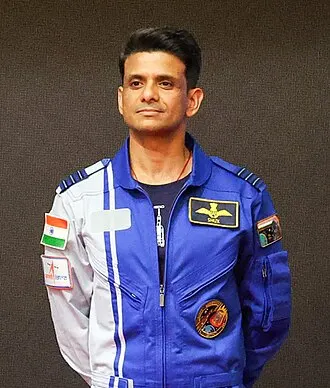
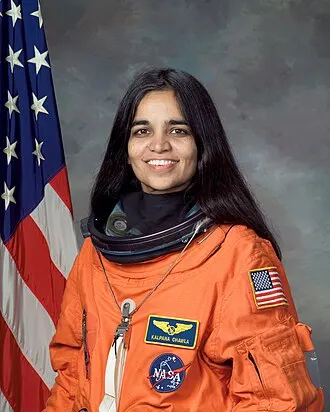
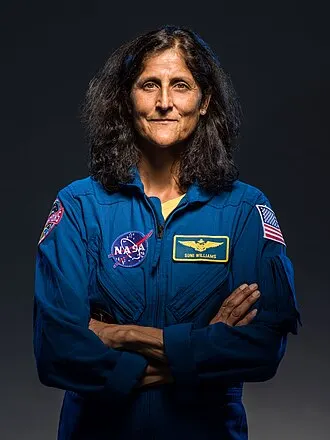
Indian & Indian-origin astronauts
All astronauts →
Launch sites
All spaceports →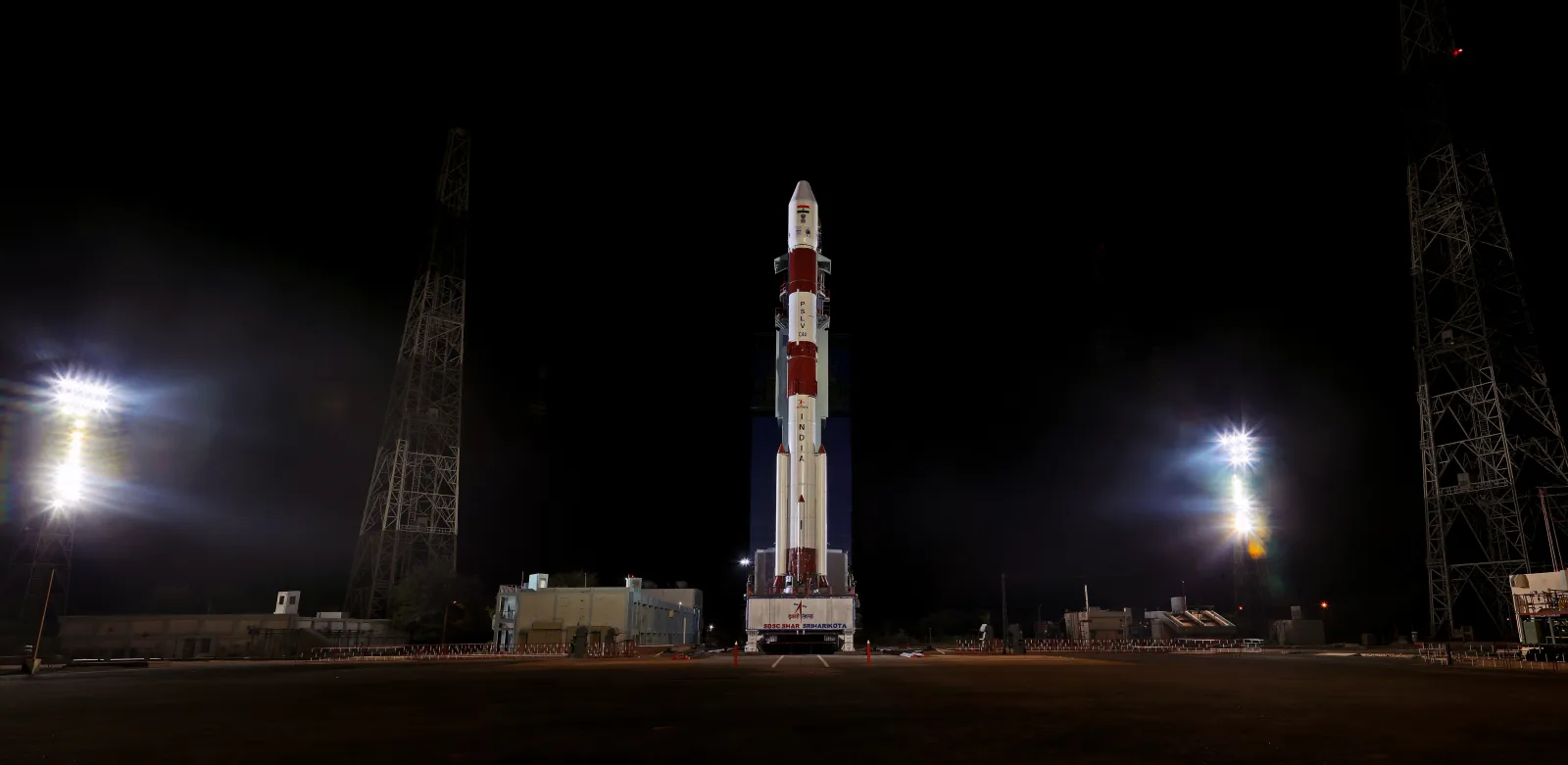

How India ranks
Full rivalry tracker →52/100
Space-power score
Budget: $2B+ (ISRO ₹133B + defense space + NewSpace)
Unmatched cost efficiencyLunar landing successGrowing NewSpace sectorPSLV reliability
Read more on India
All articles →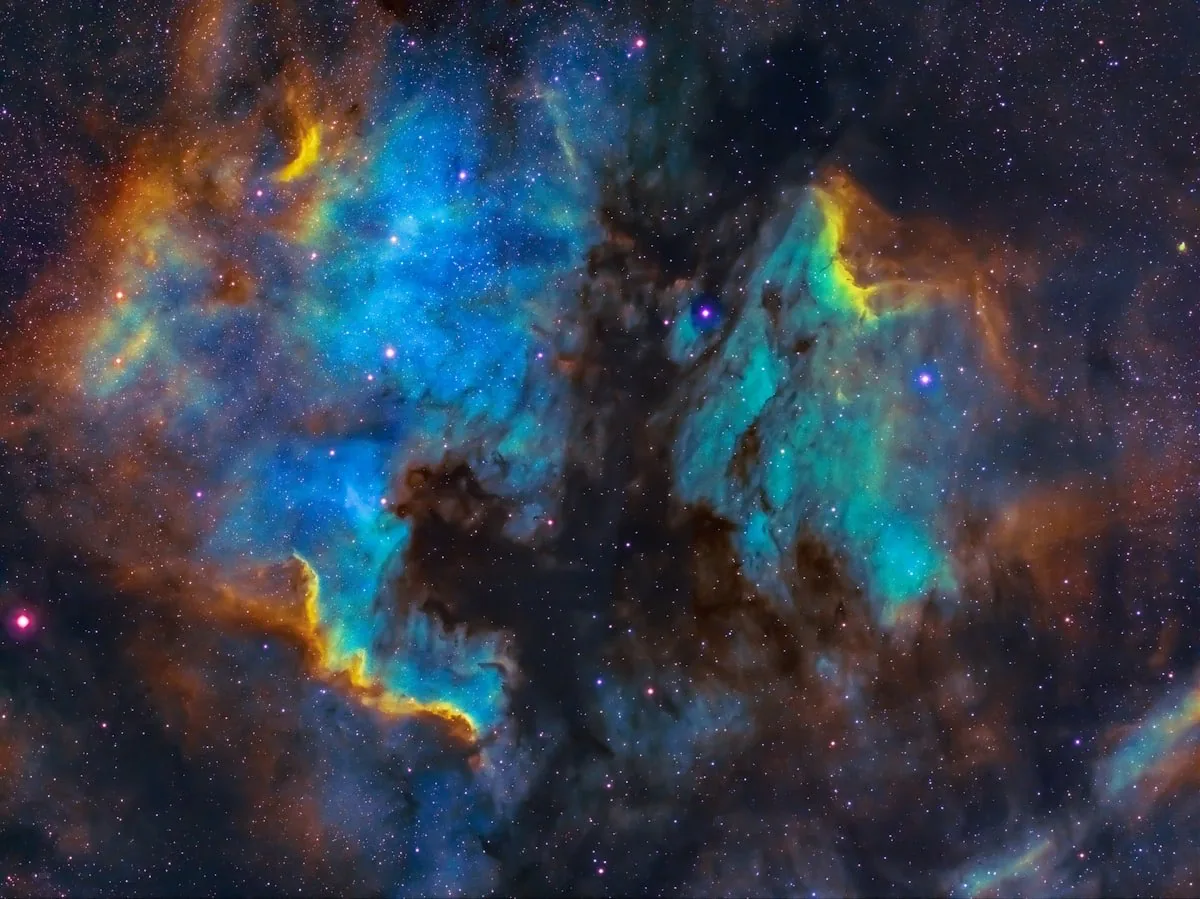
Agnikul Cosmos: Inside India's 3D-Printed Rocket Revolution
How Chennai startup Agnikul Cosmos flew the world's first single-piece 3D-printed rocket engine — and its plan to print rockets on demand and reach orbit.
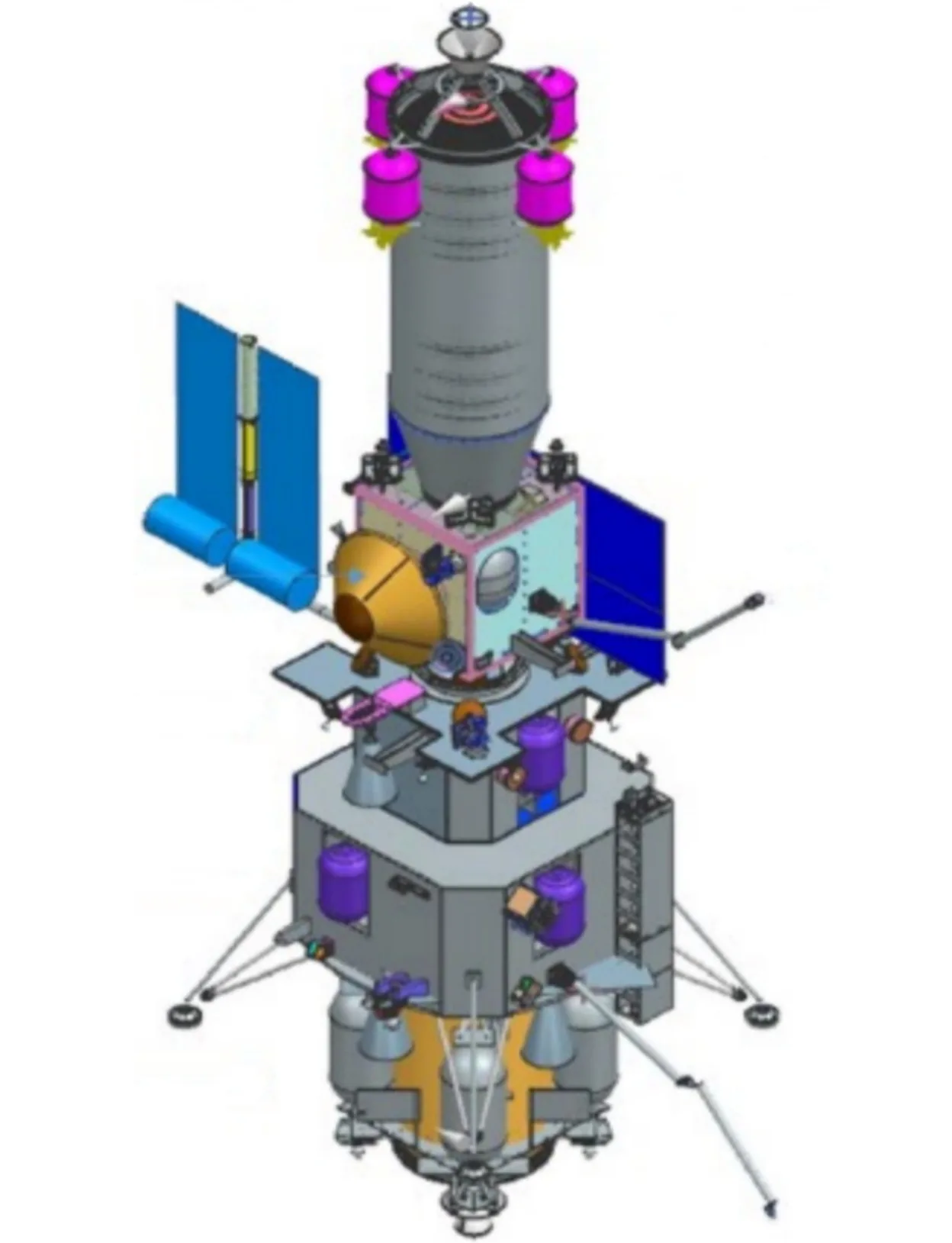
Chandrayaan-4: India's Audacious Plan to Bring the Moon Back Home
Inside Chandrayaan-4, India's ambitious lunar sample-return mission — five modules, two LVM3 launches, orbital docking, and about 3 kg of Moon rock by 2028.
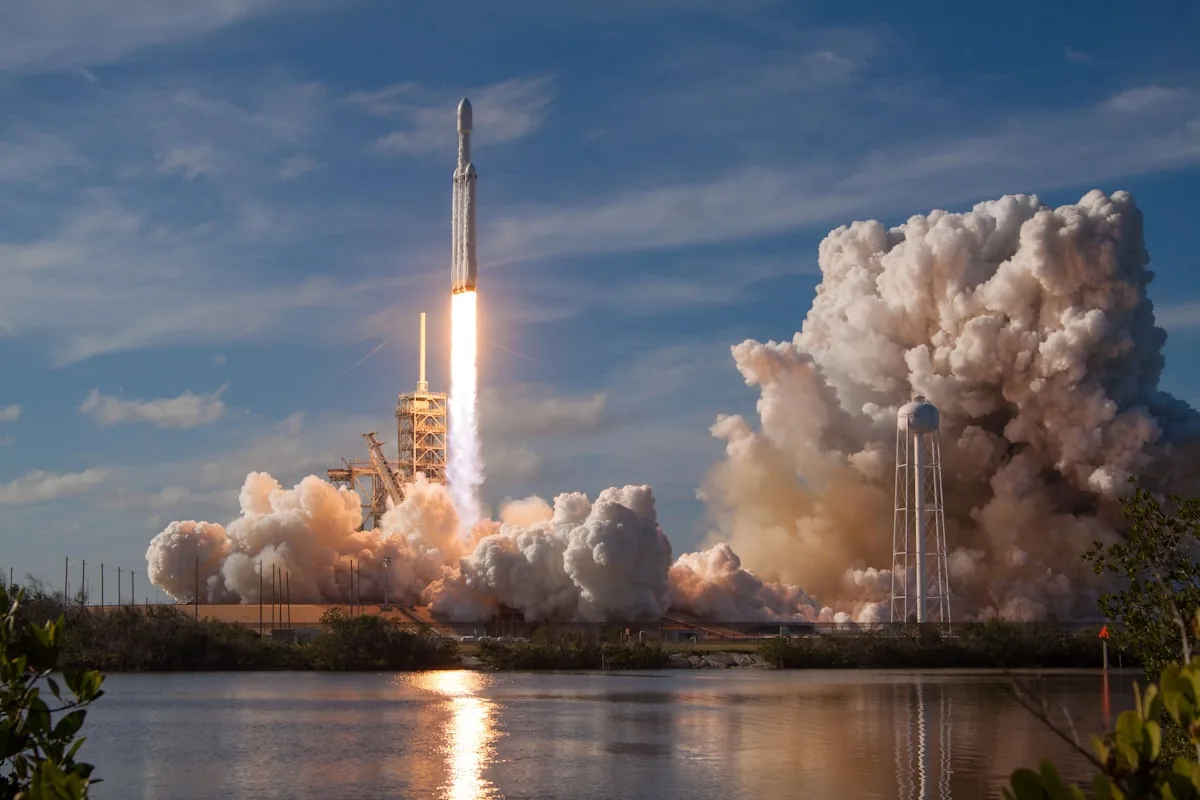
Meet the Gaganyaan Four: India's First Astronaut Corps
Meet the four Indian Air Force test pilots training to become India's first astronauts on Gaganyaan — and how one of them already flew to the ISS.
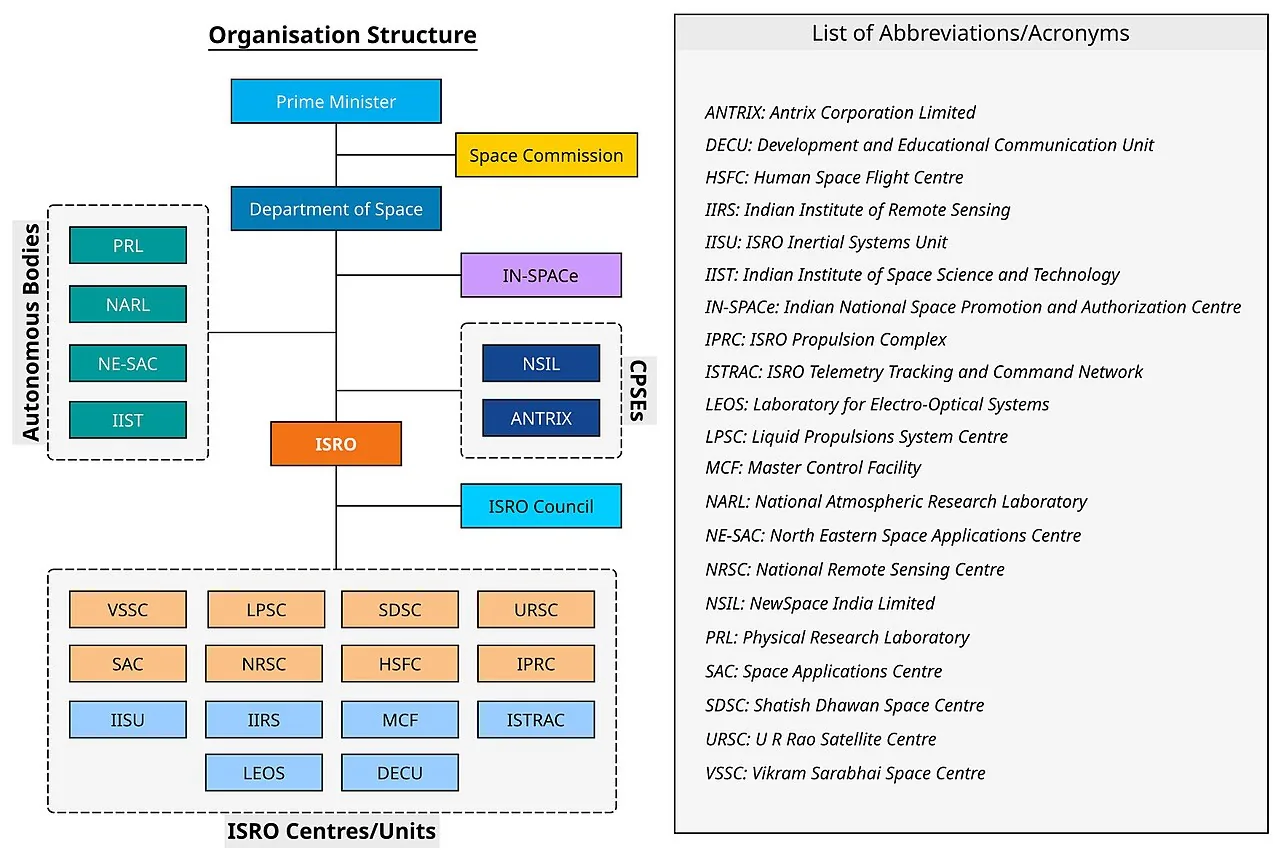
IN-SPACe Explained: The Regulator That Opened India's Space Sector
How IN-SPACe, India's single-window space regulator, split roles with ISRO and NSIL, liberalized FDI, and turned one startup into 300-plus in six years.
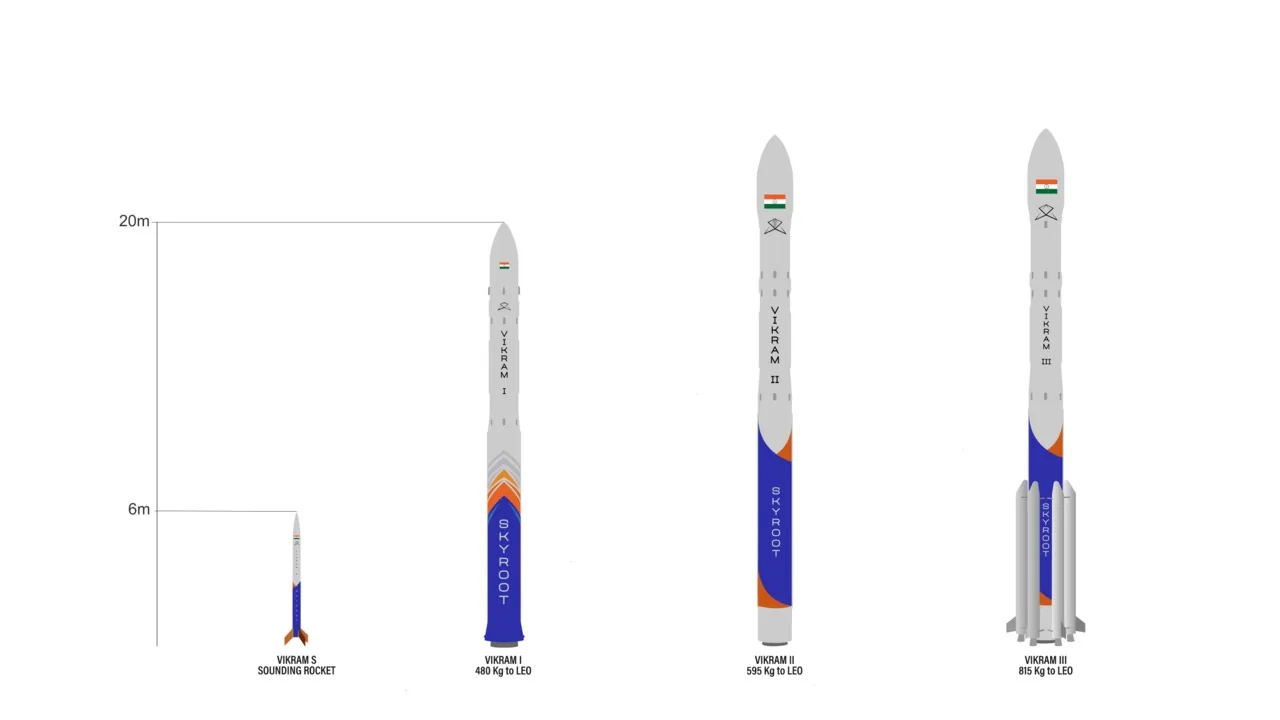
Skyroot vs Agnikul: Inside India's Private Launch Race to Orbit
Skyroot's Vikram-1 vs Agnikul's Agnibaan: how India's two leading private launch startups compare on technology, funding, and timelines against Rocket Lab.
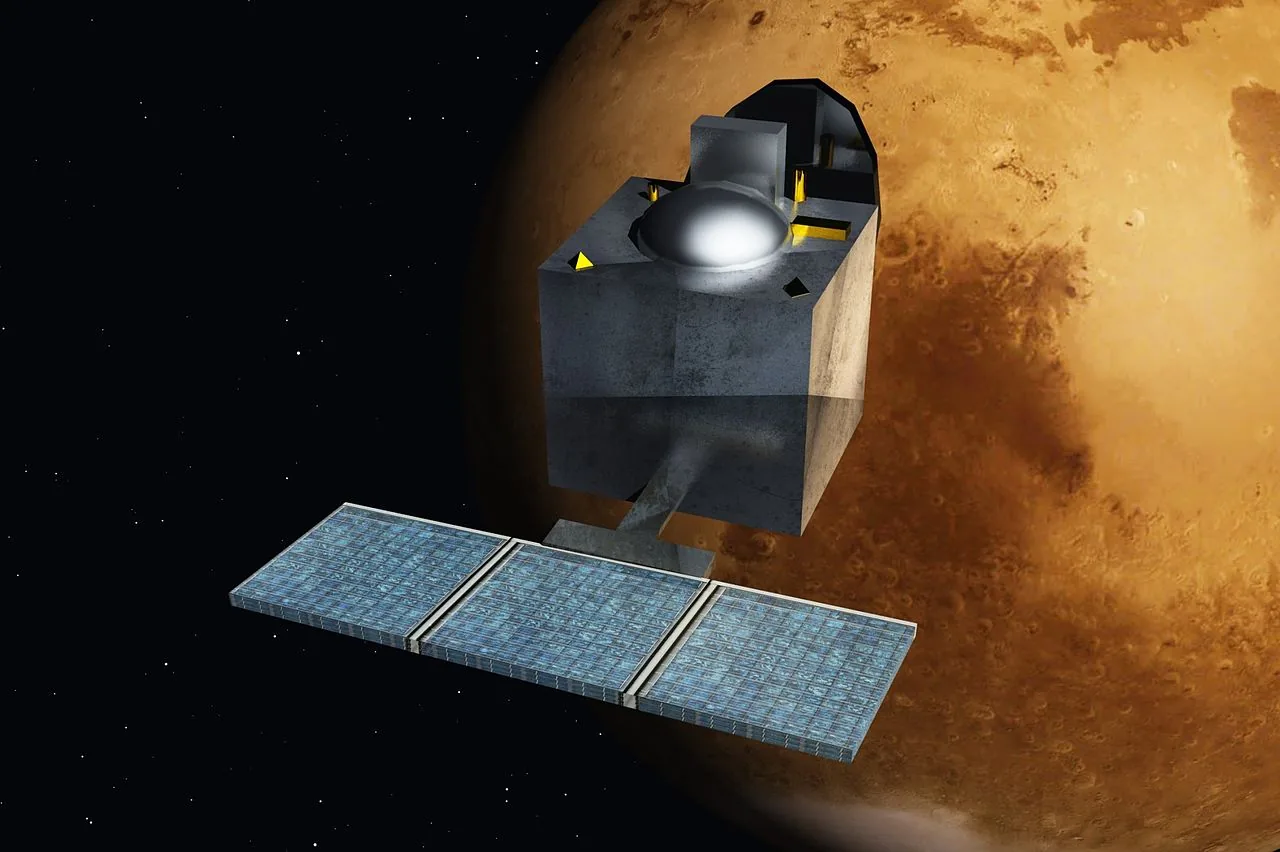
Mangalyaan: How India Reached Mars on Its First Try for the Price of a Movie
How ISRO's Mangalyaan reached Mars orbit on its first attempt for about $74M — the engineering, the frugal-genius story, what it found, and Mangalyaan-2.
Prefer Hindi? हिंदी में अंतरिक्ष लेख पढ़ें →
Know someone following India's space rise? Share this hub.
India in space — frequently asked questions
What is India's space agency?
The Indian Space Research Organisation (ISRO), founded in 1969, is India's national space agency. It is complemented by IN-SPACe (the regulator that opened space to the private sector in 2020) and NSIL, its commercial arm.
What was Chandrayaan-3?
Chandrayaan-3 made India the fourth country to soft-land on the Moon and the first to land near the lunar south pole, on 23 August 2023 — at a fraction of the cost of comparable missions.
When will India send astronauts to space on its own rocket?
Under the Gaganyaan programme, ISRO plans uncrewed test flights followed by the first Indian crewed orbital mission on a home-built rocket. The timeline has slipped to 2027 or later. In June 2025, Group Captain Shubhanshu Shukla became the first Indian aboard the ISS (Axiom-4).
Who are India's private space companies?
India's NewSpace ecosystem includes launch startups Skyroot Aerospace (the sector's first unicorn) and Agnikul Cosmos, Earth-observation firm Pixxel, and dozens more spanning satellites, propulsion, and space-situational awareness.
Explore more of the universe
Universe ExplorerExplore the connected cosmos in 3DThe Cosmic LadderFly through 119,000 real starsWorldsLand on 16 real planets, moons & asteroidsSpace in ARPut the ISS, JWST & real asteroids in your roomThe PlanetsA tour of the solar system in real imagerySpace AcademyFly history's missions yourselfMission ReplaysRelive the great missions as they happenedStarsMeet the galaxy's brightest starsDeep-Sky Wonders39 galaxies, nebulae & clusters in real imageryThe Great CometsHalley, Hale-Bopp, NEOWISE & more in real photographyAsteroid WatchWatch real asteroids fly past Earth in 3DThe Sun Right NowWatch our star live in seven wavelengthsEarth From a Million MilesWatch the whole Earth turn, live from spaceDeep Space NetworkWho NASA is talking to across the solar system, liveHumanity's Farthest TravelersWatch Voyager & the outbound probes recede, liveSpacecraftThe great robotic explorers in real imageryConstellationsThe figures of the night sky & how to find themMulti-WavelengthSee the cosmos in every kind of lightCosmic PerspectiveFrom your street to the edge of everythingSpace Time MachineTravel to any date in the Space Age