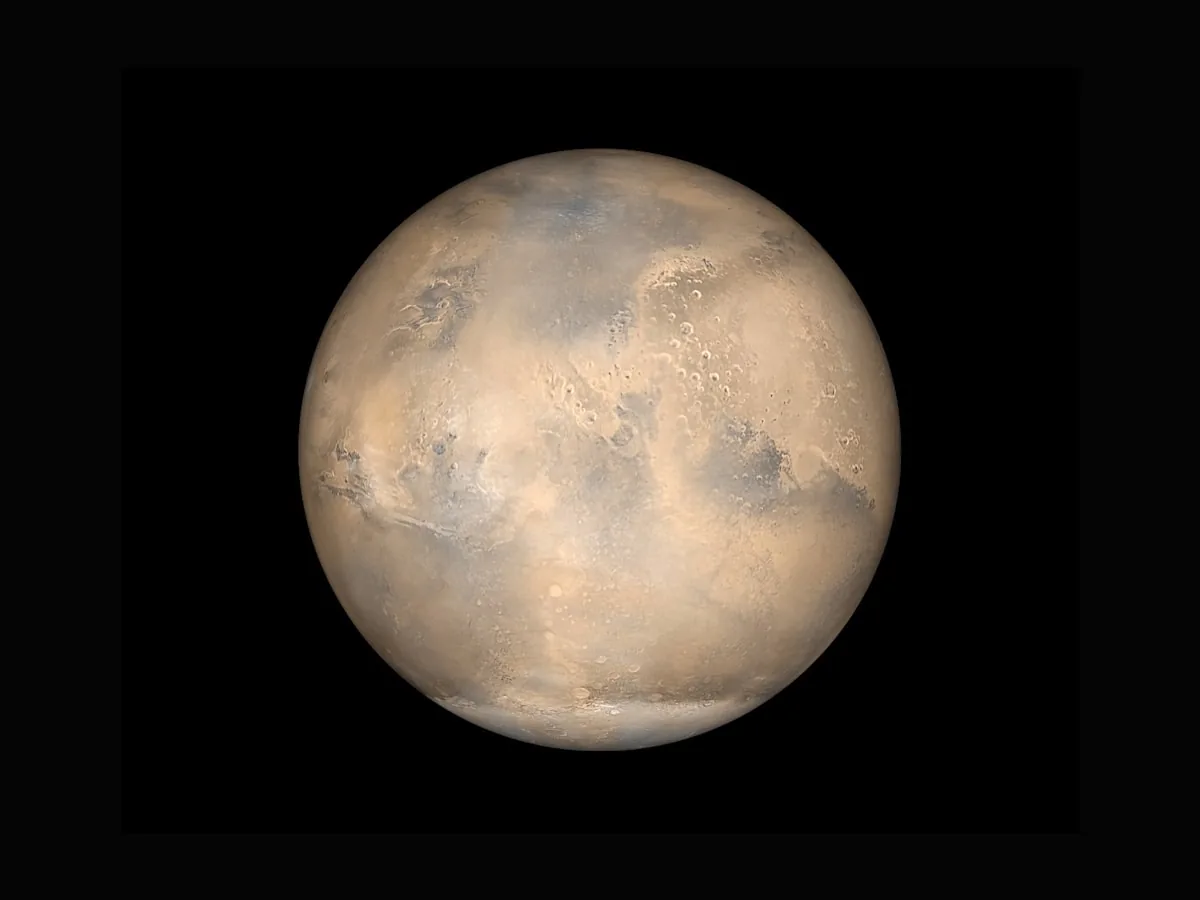
Why planetary exploration matters: organics on Mars, amino acids in OSIRIS-REx's Bennu sample, lunar water ice, planetary defense, and the payoff for life on Earth.
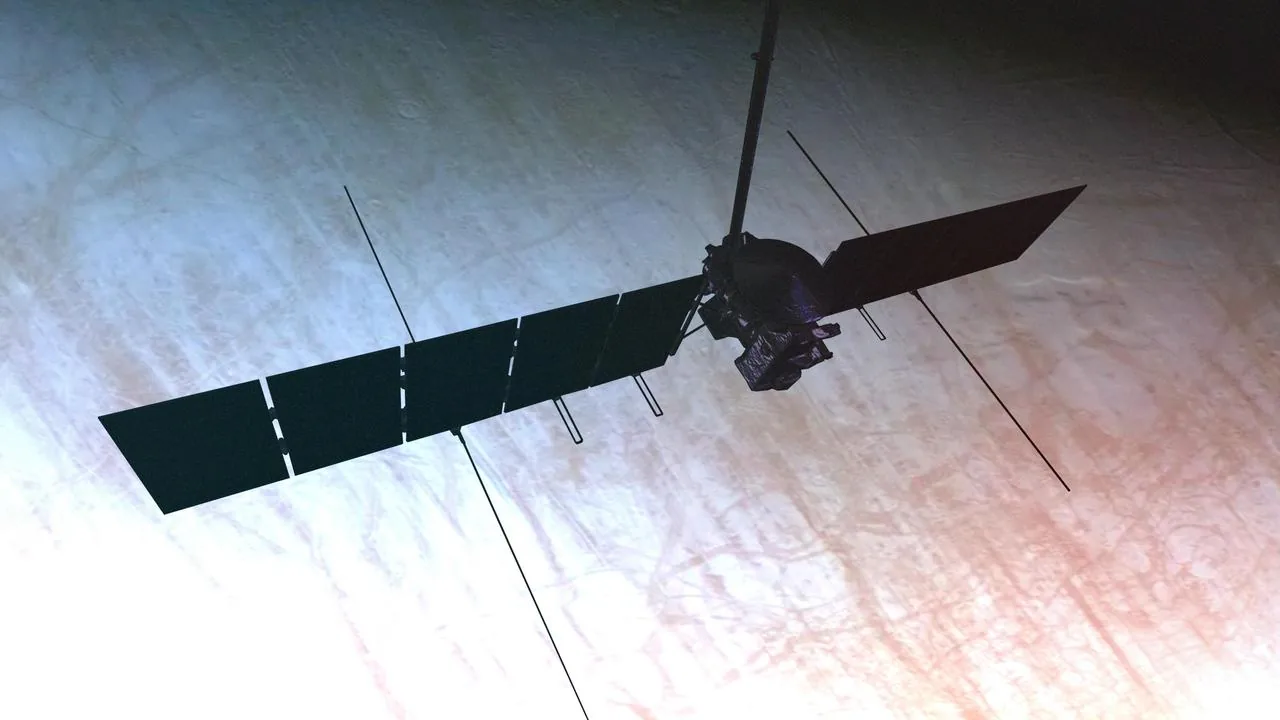
The search for extraterrestrial life in 2025: Perseverance's biosignatures on Mars, Europa Clipper's ocean hunt, Dragonfly at Titan, and Enceladus plume chemistry.
Every Moon soft-landing attempt from Luna 2 and Luna 9 to Chandrayaan-3, SLIM, Odysseus, Blue Ghost, and Chang'e 6 — the successes, the crashes, and the countries
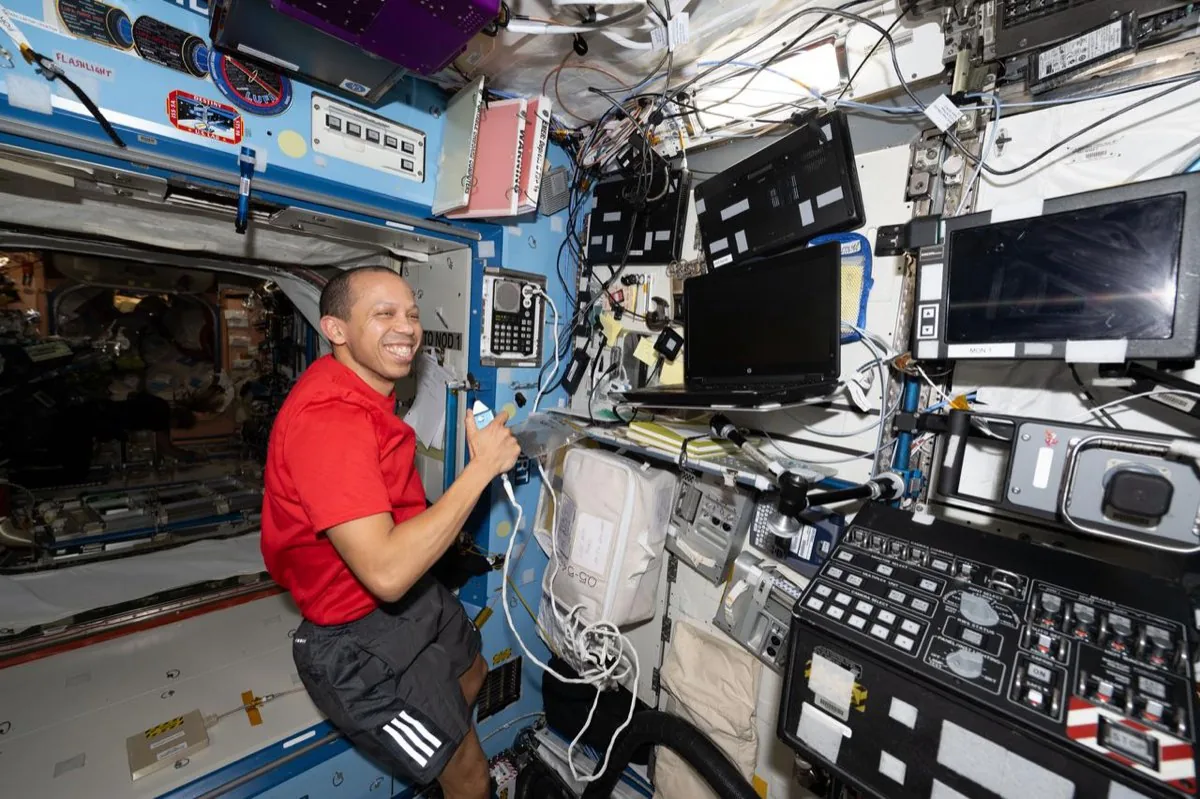
Microgravity causes 1% monthly bone loss, muscle atrophy, vision damage (SANS) and radiation exposure. What Scott Kelly's twin study revealed about a Mars mission.
NASA's Dragonfly launches in 2028 and arrives at Saturn's moon Titan in 2034 — a nuclear-powered drone hunting prebiotic chemistry across methane lakes and dune fields.
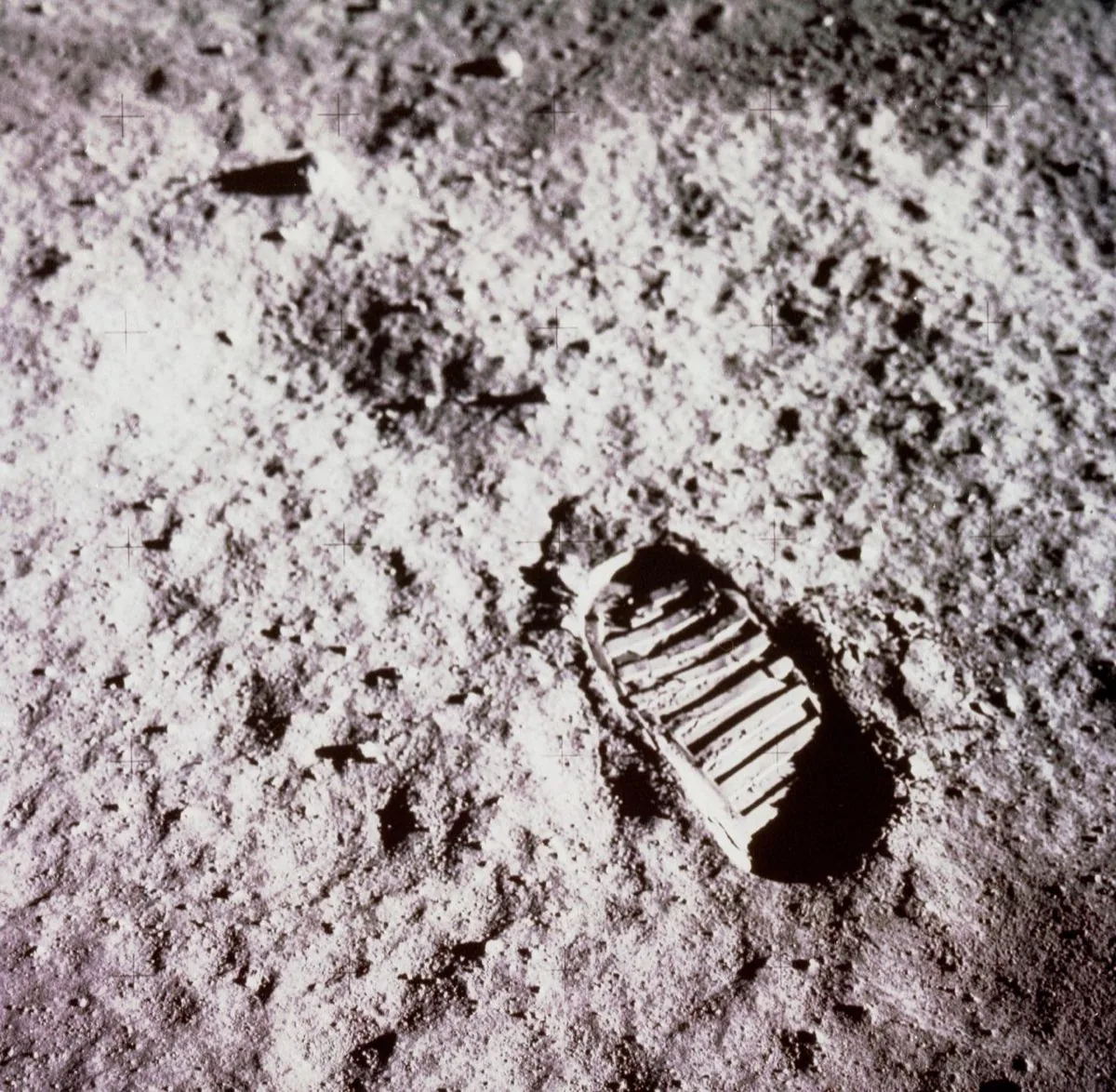
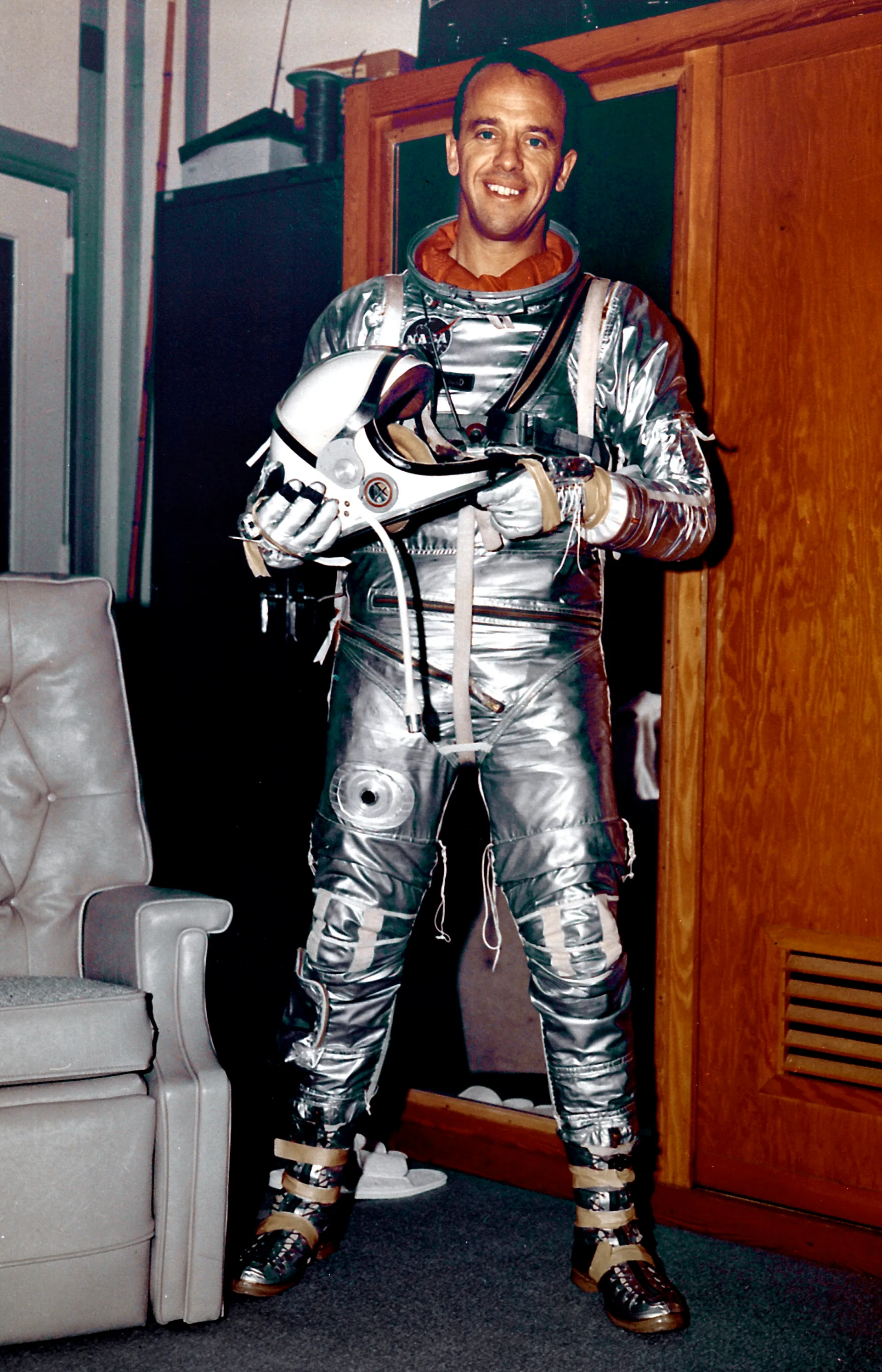
From Sputnik in 1957 to Apollo-Soyuz in 1975: how the US-Soviet Cold War rivalry compressed centuries of progress into 18 years and put 12 men on the Moon.
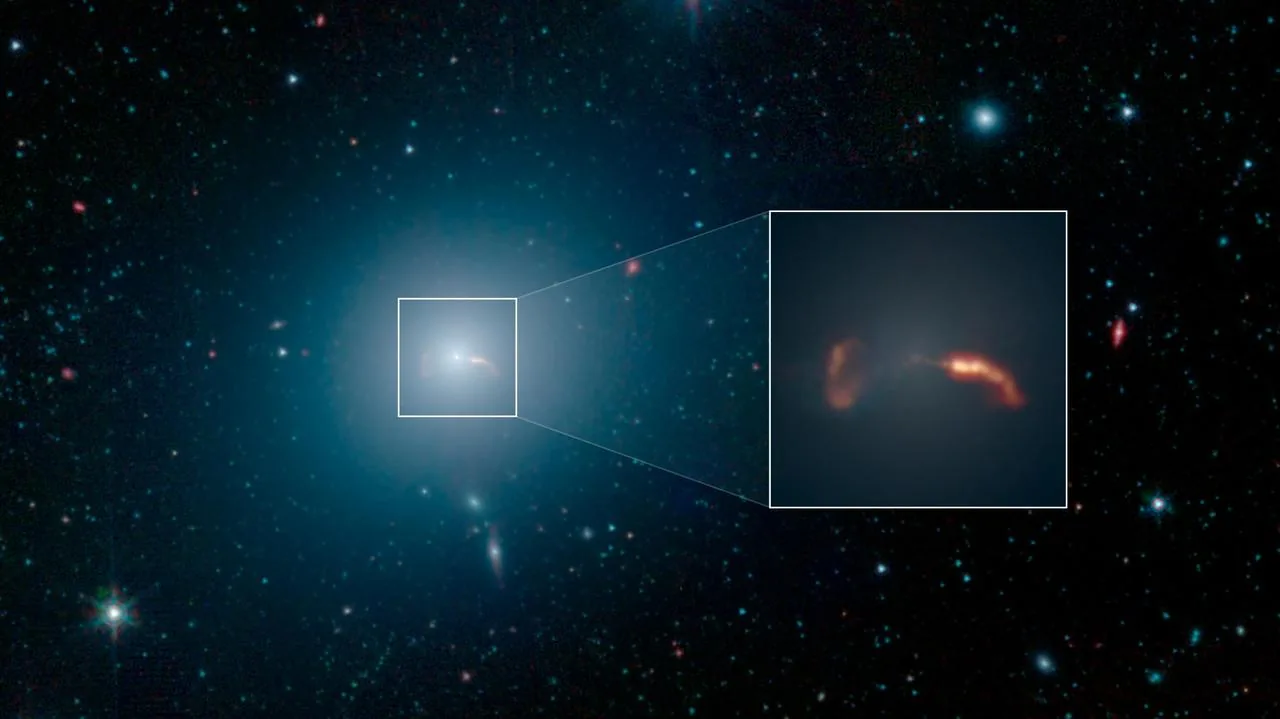
Dark matter and dark energy make up 95% of the universe, yet nobody has directly detected either. Here's the evidence, the leading theories, and what Euclid and DESI are finding.
On Sept 12, 2024, Jared Isaacman opened a Dragon hatch 460 miles up — the first private spacewalk. The mission, the new SpaceX EVA suit, and the Polaris
The closest potentially habitable worlds ranked: Proxima b, Ross 128b, Wolf 1061c, Tau Ceti e/f, Barnard's b — with ESI scores, distances, masses, and habitability verdicts.
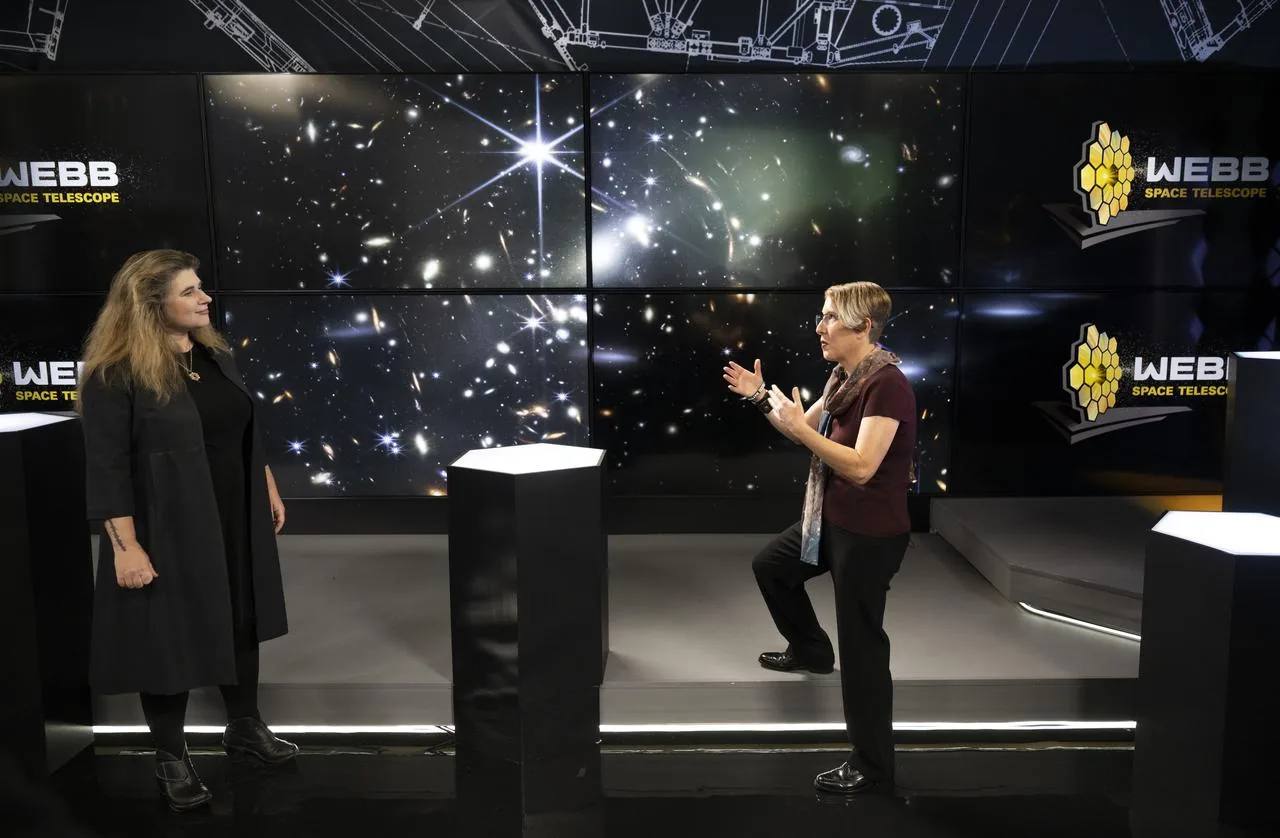
A 13.8-billion-year timeline of the universe: from inflation and the first atoms to JWST's cosmic dawn images, galaxy formation, and the origins of life on Earth.
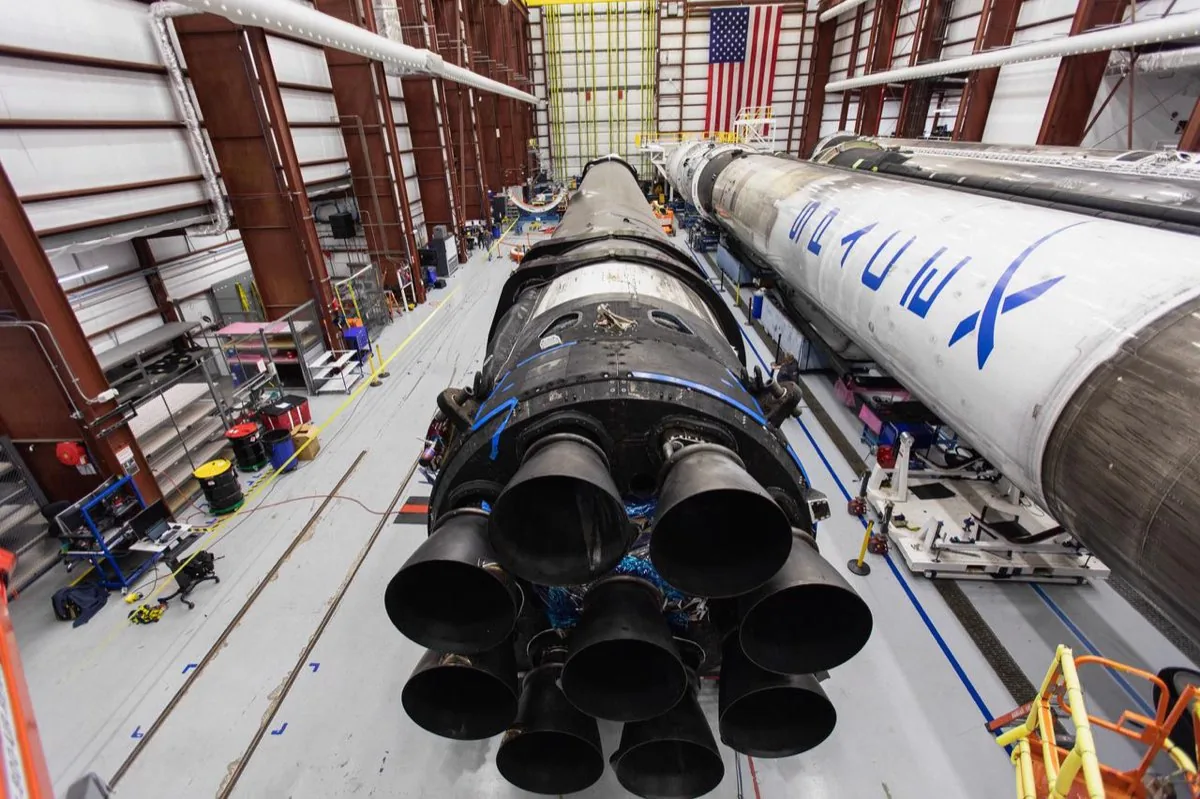
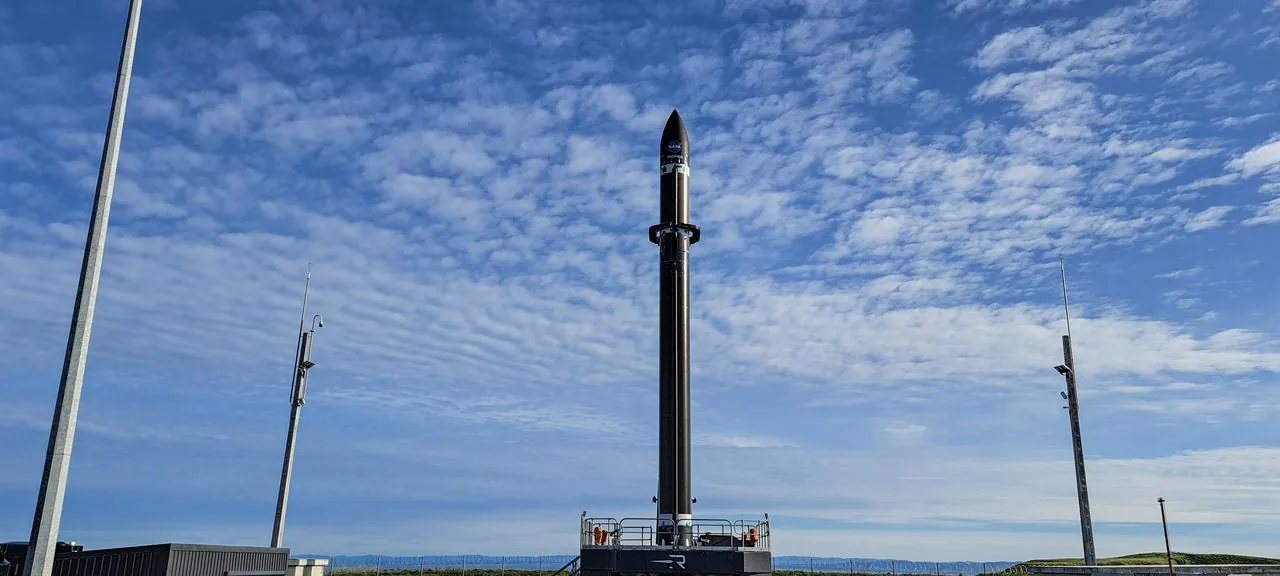
Isar Aerospace, RFA, PLD Space, and Orbex are racing to restore Europe's independent access to orbit — from SaxaVord in Scotland to Spain's Miura rocket.
How to land a NASA, SpaceX, ESA, JPL, or Rocket Lab internship: application timelines, citizenship rules, resume tips, and what interviewers actually ask