China in Space
The Chinese Space Story
From Dong Fang Hong's 1970 chime to a permanently crewed station, robotic sample returns from the Moon's far side, and a crewed lunar landing planned before 2030 — CNSA, the commercial boom, and the taikonauts.
In a single generation China has gone from launching its first satellite to operating a permanently crewed space station, returning samples from the far side of the Moon, and driving a rover across Mars — while a new commercial launch sector races to build reusable rockets. This is the whole picture: the programmes, the companies, and the people.
Flagship programmes
All programmes →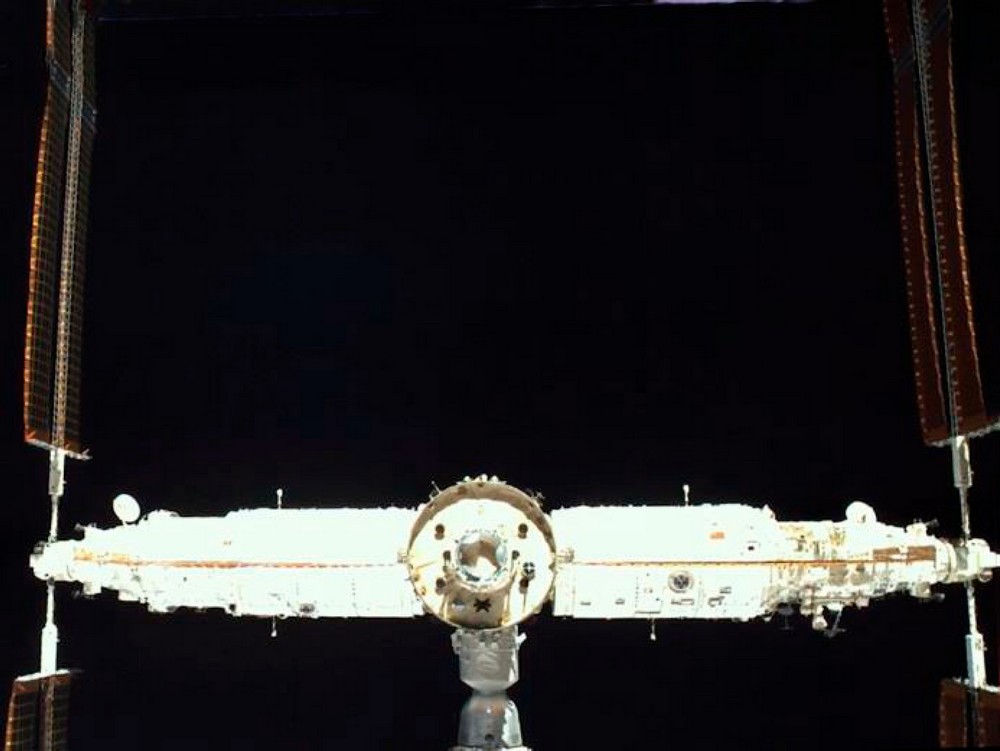
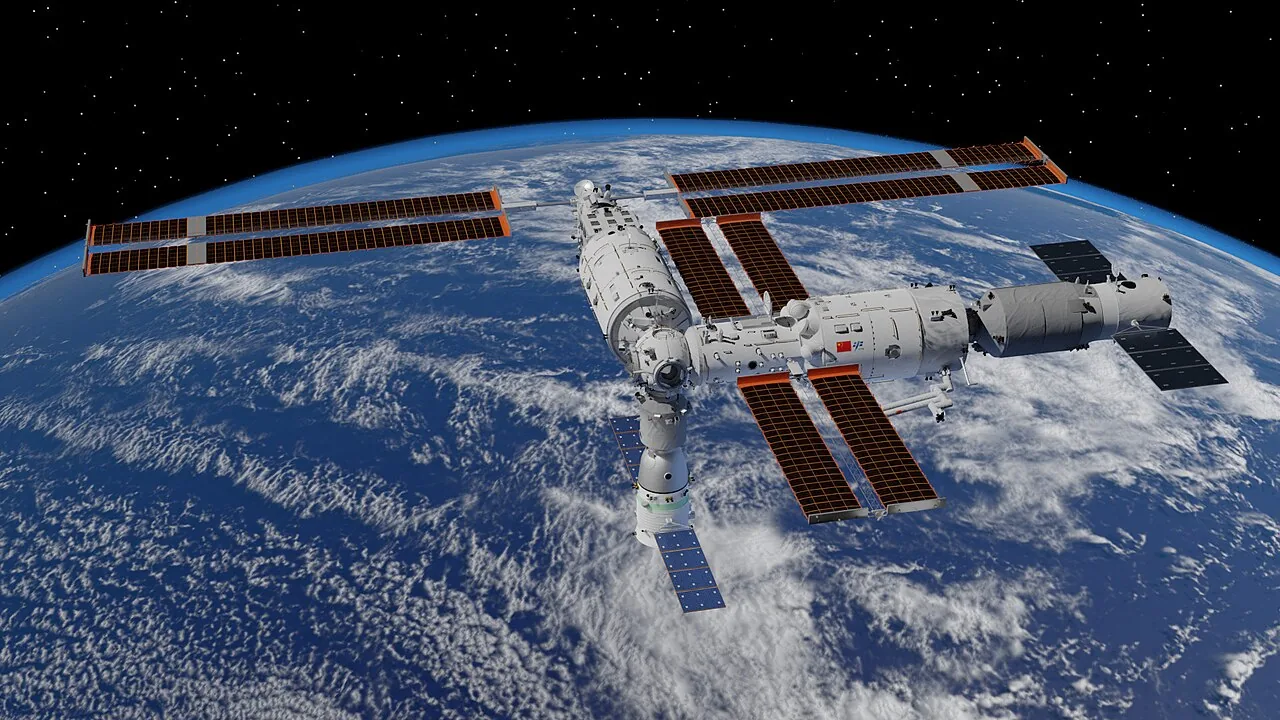
Tiangong Space Station
ActiveTiangong is China's permanently-crewed three-module low-Earth-orbit space station, completed in late 2022 with the Tianhe core (April 2021), Wentian lab (July 2022) and Mengtian lab (October 2022), and continuously crewed by six-month Shenzhou rotations from Shenzhou-12 through the current Shenzhou-23 [1][2][3][19]. As the only operational government-run station outside the ISS partnership, Tiangong anchors China's crewed-LEO industrial base under prime contractor CASC, with planned Xuntian co-orbital telescope (NET 2027) and a future module expansion enabling foreign-astronaut visits, while remaining unlisted and unaddressable for public-equity investors [4][5].
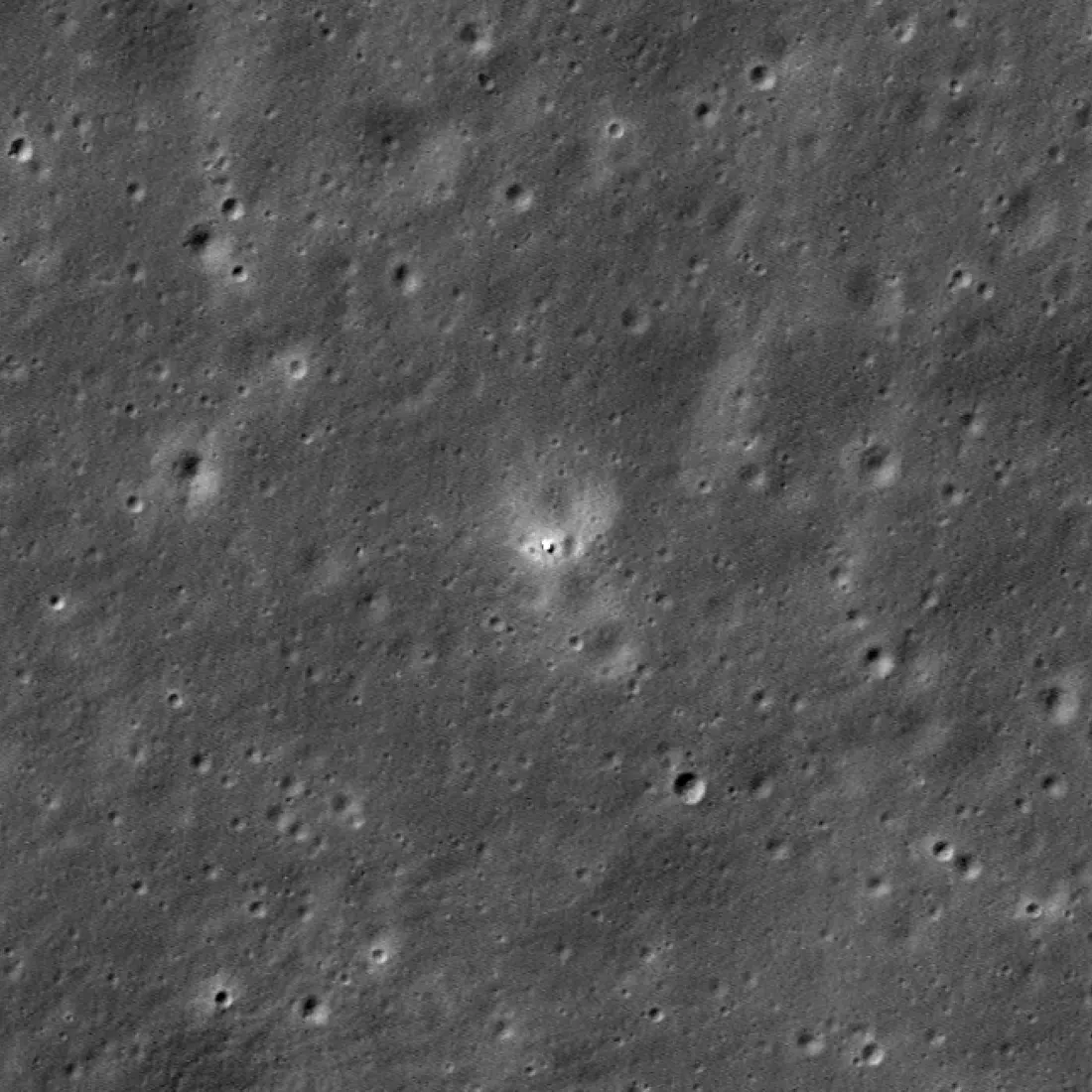
Chang'e Lunar Exploration Programme
ActiveChang'e (嫦娥) is China's flagship robotic lunar exploration series — from the Chang'e-1 orbiter (2007) to the Chang'e-6 far-side sample return (June 2024, a world first), with Chang'e-7 polar reconnaissance (2026) and Chang'e-8 ISRU demonstrator (2028) forming the precursor architecture for the International Lunar Research Station and the Chinese crewed lunar landing by 2030 [1][2][3]. Executed by CASC's lunar systems group, the programme has delivered six of six planned mission successes and has unilaterally extended China's lunar science lead on far-side and south-polar exploration over Western peers [4].
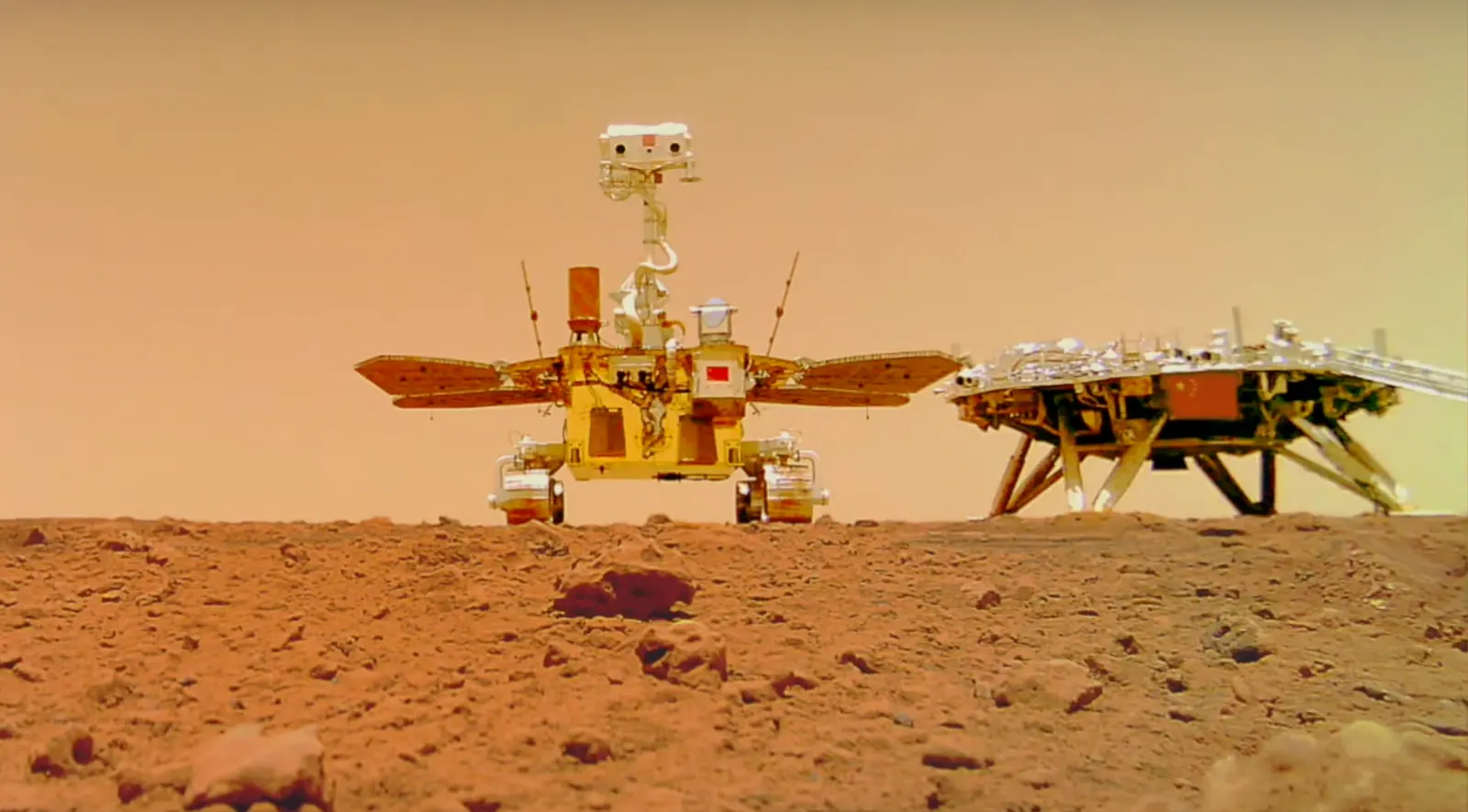
Tianwen Mars Exploration Programme
ActiveTianwen (天问, 'Questions to Heaven') is China's Mars exploration programme — Tianwen-1 (launched July 23, 2020, arrived Mars orbit February 10, 2021) made China the second nation to successfully soft-land and operate a rover (Zhurong) on Mars in May 2021, and the planned Tianwen-3 sample-return mission (NET 2028) targets first return of Mars samples to Earth, potentially ahead of NASA's reformulated Mars Sample Return programme [1][2][3]. Executed by CAST and CALT under CASC, with no listed pure-play exposure and a credible chance of beating NASA / ESA to a Mars sample-return first [4].
Chinese Crewed Lunar Programme
ActiveThe Chinese Crewed Lunar Programme is the human-spaceflight component of China's broader lunar architecture — formally announced by CMSA in 2023 with a target of landing two taikonauts on the Moon by 2030, executed through the new Long March 10 3-core launcher, the Mengzhou (梦舟, 'Dream Vessel') crew capsule, and the Lanyue (揽月, 'Embracing the Moon') lunar lander [1][2]. The two-launch mission architecture (one launch for Mengzhou + Earth-return stack, one for Lanyue + crew transfer) puts China on a credible path to becoming only the second nation in history to land humans on the Moon — competing directly with NASA Artemis on the south-polar surface [3].
China's commercial space companies
All companies →LandSpace
Methalox Launch (China)
Founded 2015~RMB 75B (~$10.4B) targeted post-money for its STAR Market IPO (application accepted Dec 2025, ~$1B primary raise; review under inquiry as of mid-2026 — not yet trading)
Galactic Energy
Small + Medium Launch (China)
Founded 2018~CNY 15B (~$2.1B) implied by Series D round (Sep 2025); pre-IPO counseling in progress
Space Pioneer
Reusable Medium-Heavy Launch (China)
Founded 2019Implied ~CNY 25B+ (~$3.5B) post-money following combined Pre-D + D rounds (Oct 2025); IPO counseling rumored
Deep Blue Aerospace
Reusable Launch (Kerolox)
Founded 2016Not publicly disclosed; Series B-IV implied valuation roughly CNY 5–6B (~$700–850M)
iSpace (Beijing Interstellar Glory Space Technology)
Reusable Launch (Methalox)
Founded 2016Post-money not disclosed; CNY 5.04B (~$730M) Series D++ Feb 2026 implies multi-billion-dollar valuation — analysts estimate ~$2–3B
ExPace (Expace Technology / CASIC Rocket Technology)
Solid-Fuel Small/Medium Launch (Quick-Reaction)
Founded 2016State-owned CASIC subsidiary; cumulative external private capital ~$417M including $237M Series B (Jun 2022). Market valuation not publicly disclosed
GalaxySpace (Yinhe Hangtian)
Satellite Manufacturing & LEO Broadband
Founded 2018~CNY 32B (~$4.5B) post-money — Series C close Feb 2025; A-share IPO counseling filed Mar 2026
CAS Space (Zhongke Aerospace Exploration / Zhongkexing)
Launch (solid-fuel and reusable liquid rockets)
Founded 2018~CNY 11.1B (~$1.55-1.6B) per 2025 pre-IPO mark; targeting ~CNY 4.18B (~$607M) Shanghai STAR Market IPO raise
Orienspace
Sea-launched Solid Orbital Launch (China)
Founded 2020Not publicly disclosed; trade-press estimates place it in the ~$700–850M range as of late 2024 following Series A and pre-A rounds
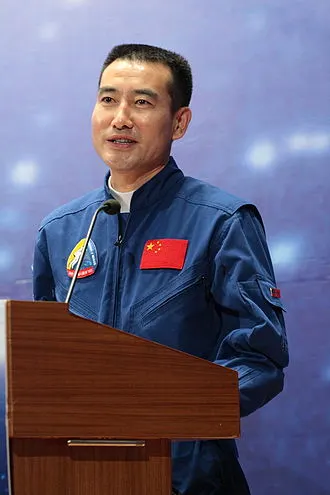
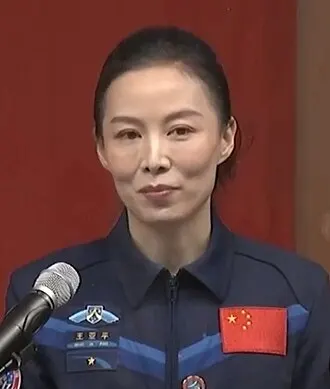
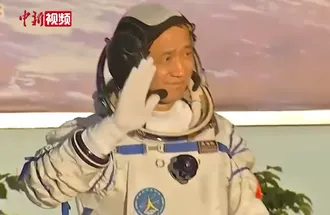
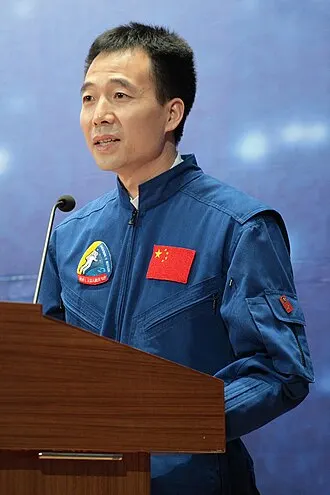
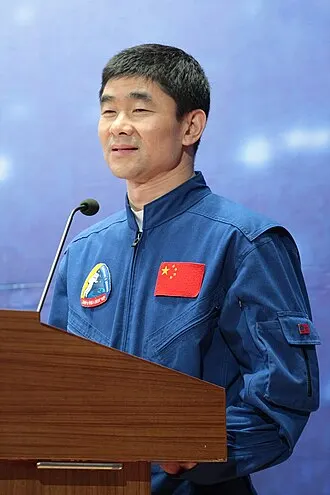
Taikonauts
All astronauts →


Launch sites
All spaceports →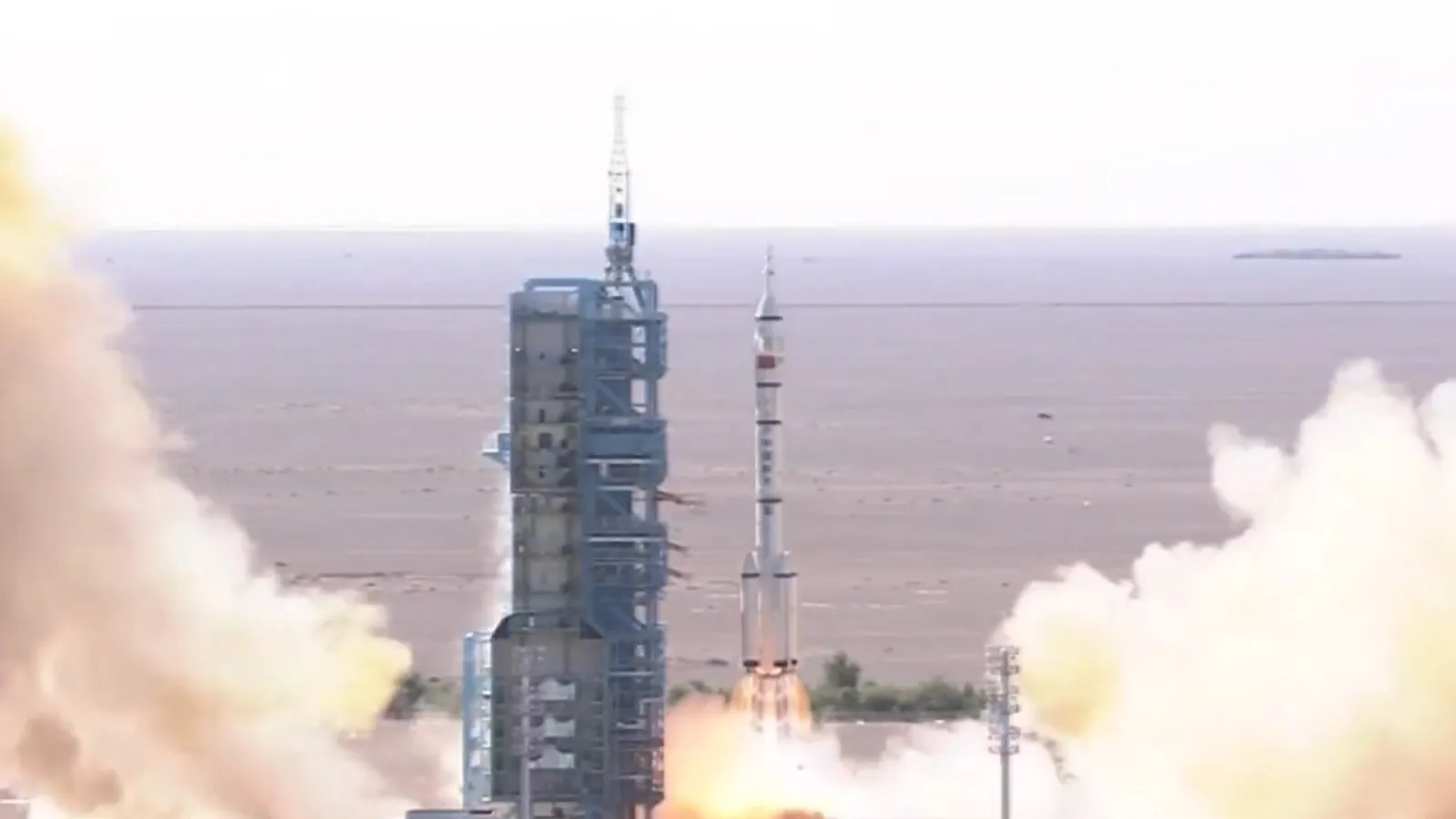
Jiuquan Satellite Launch Center
Inner Mongolia, China
CNSA / PLA Strategic Support Force · est. 1958
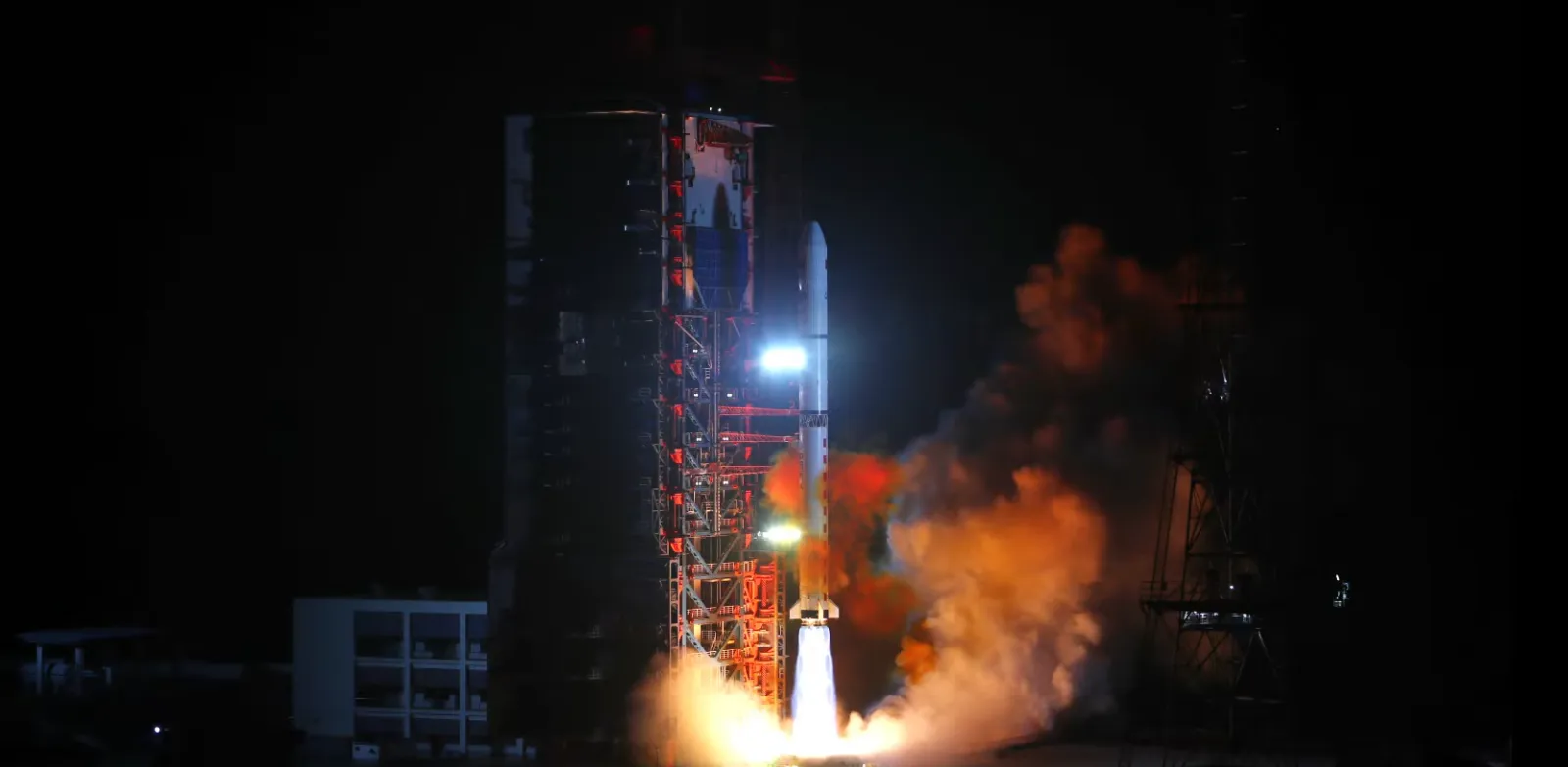
Xichang Satellite Launch Center
Xichang, Sichuan, China
CNSA / PLA Strategic Support Force · est. 1984
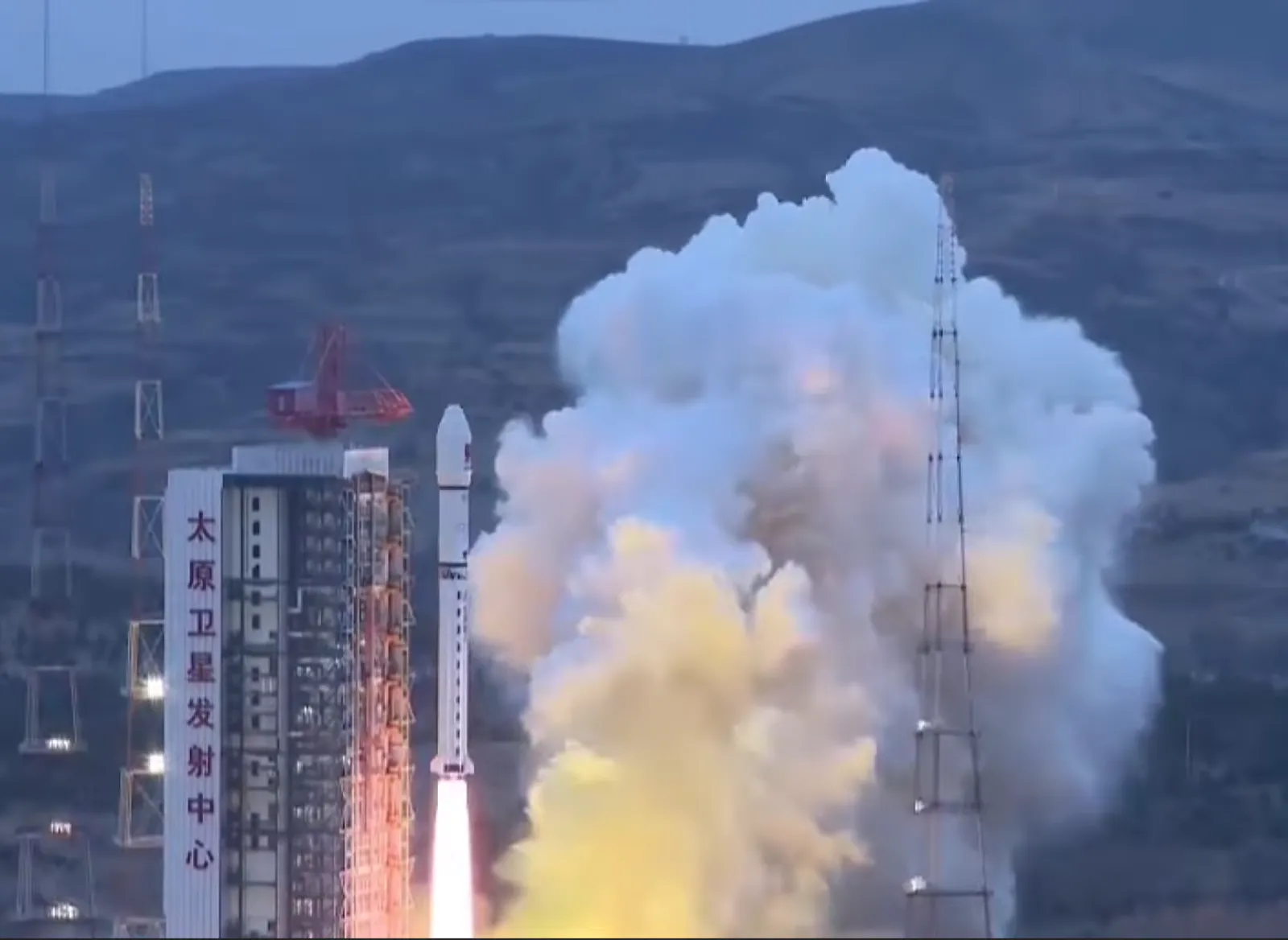
Taiyuan Satellite Launch Center
Kelan, Shanxi, China
CNSA / PLA Strategic Support Force · est. 1967
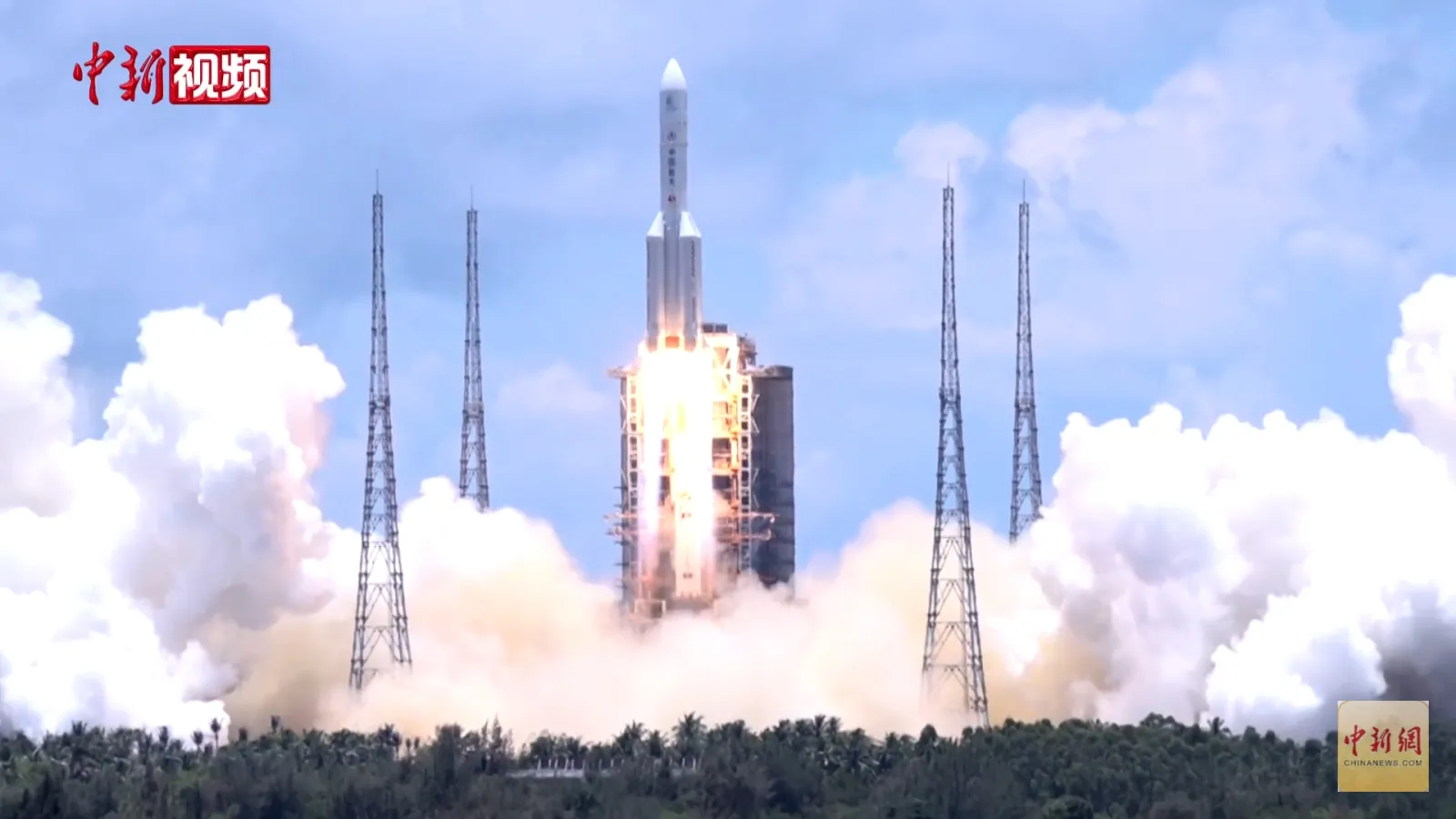
Wenchang Space Launch Site
Wenchang, Hainan, China
CNSA / PLA Strategic Support Force · est. 2014
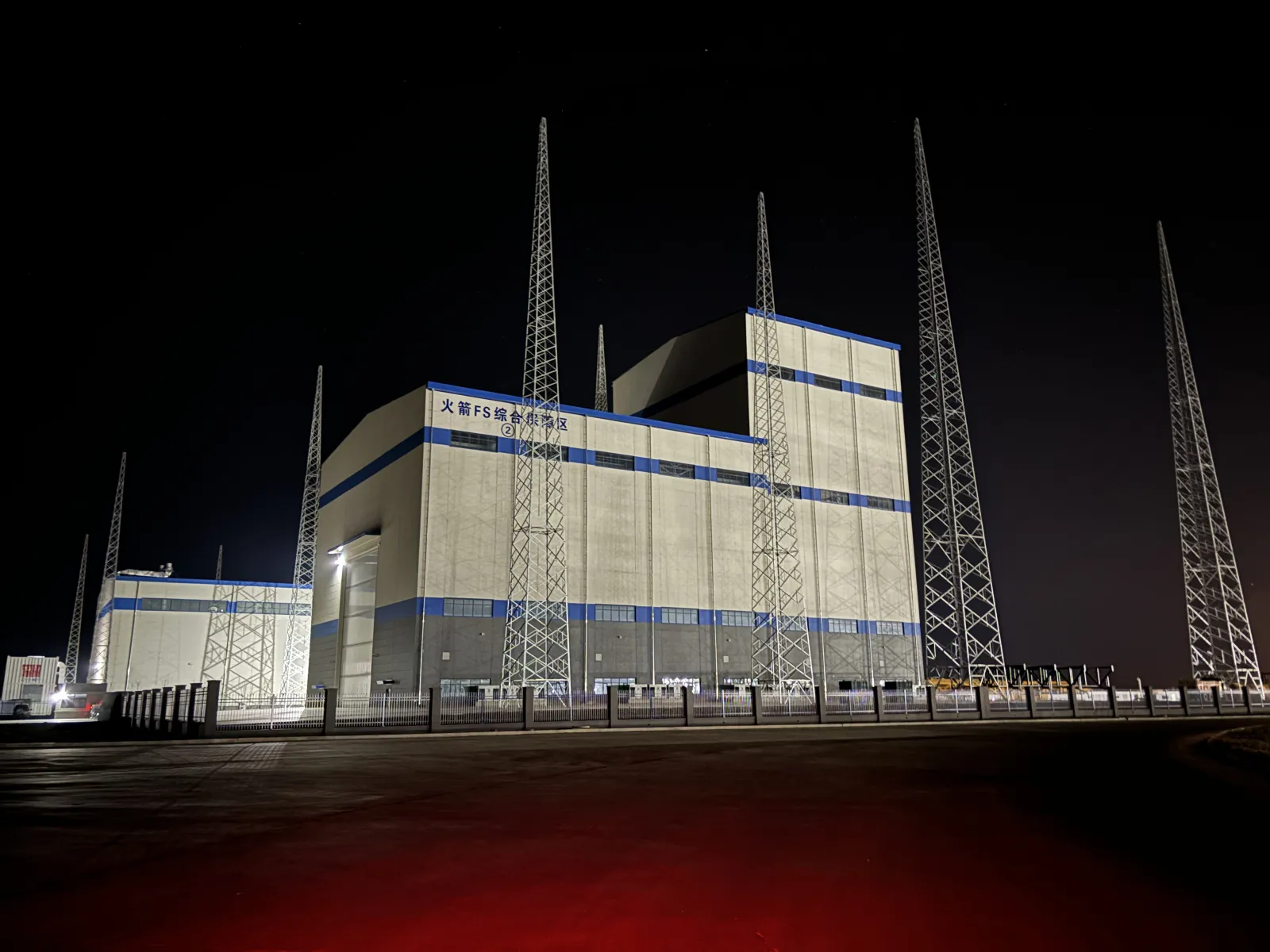
Haiyang Sea Launch Platform
Haiyang, Shandong, China
CASC / CZ-11 WEY Technology · est. 2019
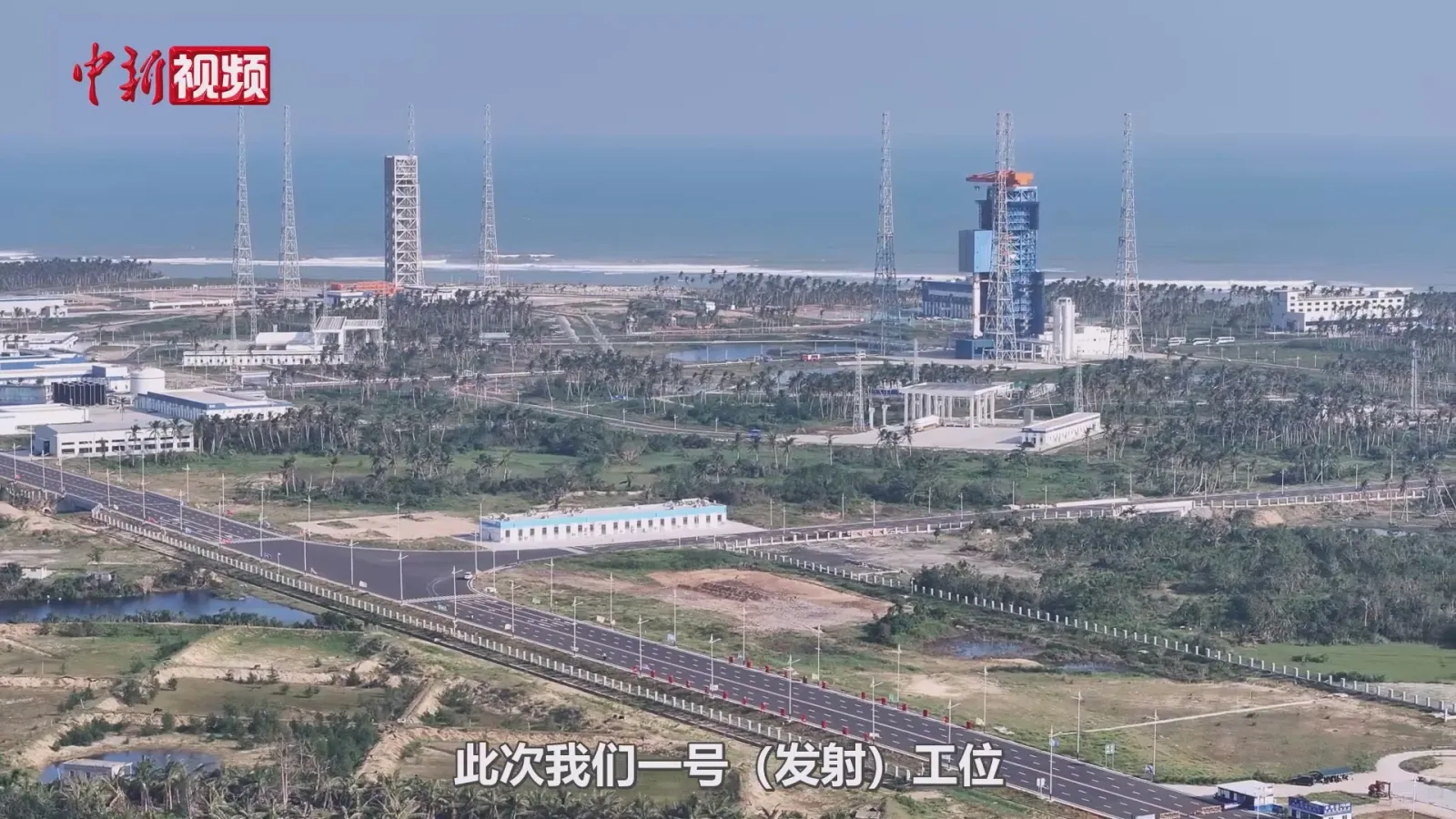
Wenchang Commercial Launch Site
Wenchang, Hainan, China
Hainan International Commercial Aerospace Launch Center · est. 2024
How China ranks
Full rivalry tracker →78/100
Space-power score
Budget: $20B+ (estimated, civil + military — second to US)
Rapid cadence increaseIndependent crew capabilityLunar program momentumState-backed long-term planning
Read more on China
All articles →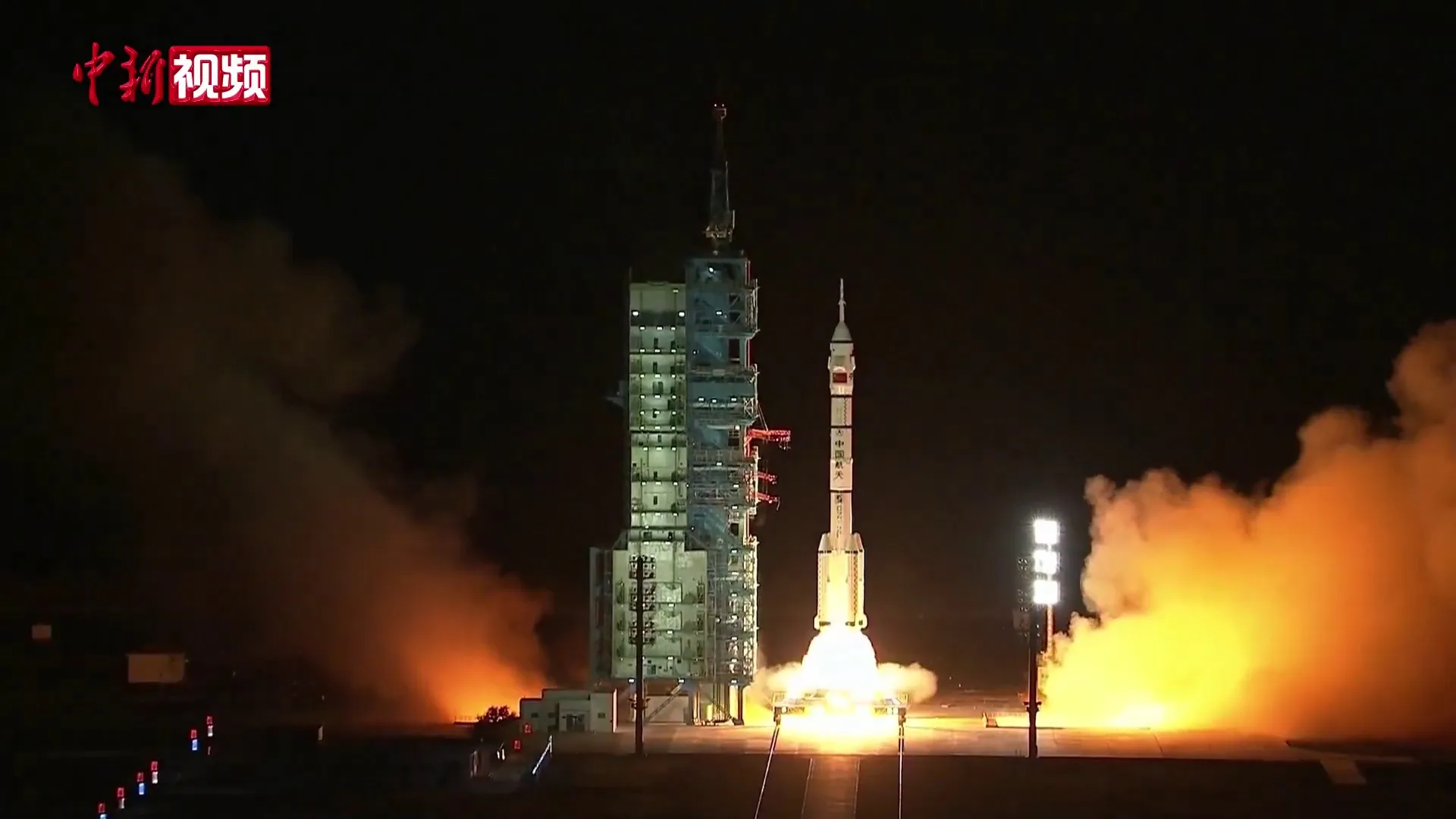
Guowang vs Qianfan: Inside China's Megaconstellation Answer to Starlink
China's answer to Starlink: two vast LEO constellations, Guowang and Qianfan. Inside the deployment, the Long March launch bottleneck, and the orbital stakes.
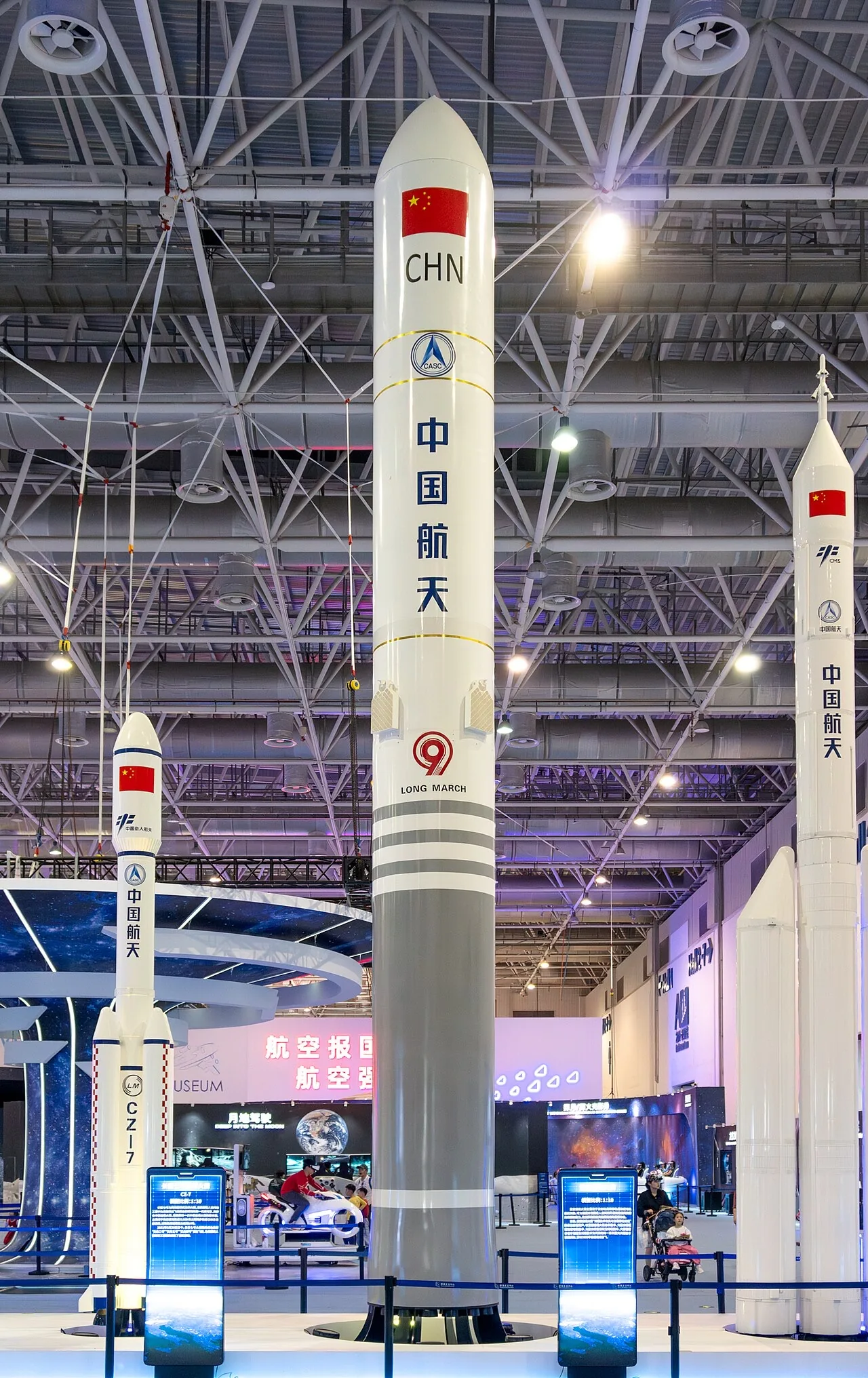
China's Military Space Power: A Policy-Level Reading of the Open-Source Record
A sourced, policy-level analysis of China's military space program: the PLA Aerospace Force, counterspace capabilities, BeiDou, ISR growth, and space norms.
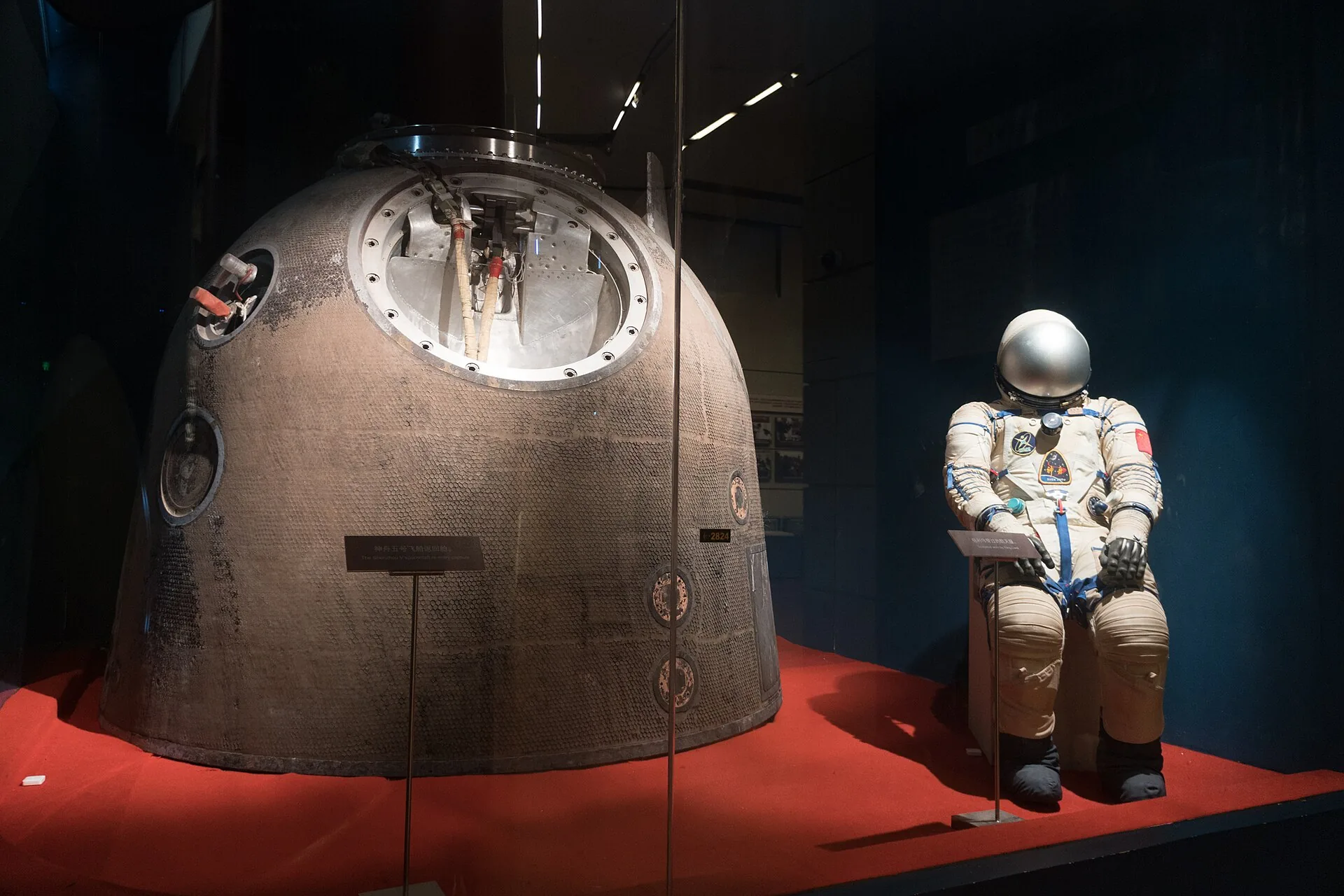
Divine Vessel: The Shenzhou Story and the Rise of China's Human Spaceflight
From Project 921 and Yang Liwei's 2003 first flight to Tiangong crew rotations, the Mengzhou spacecraft and a 2030 Moon landing — the Shenzhou story.
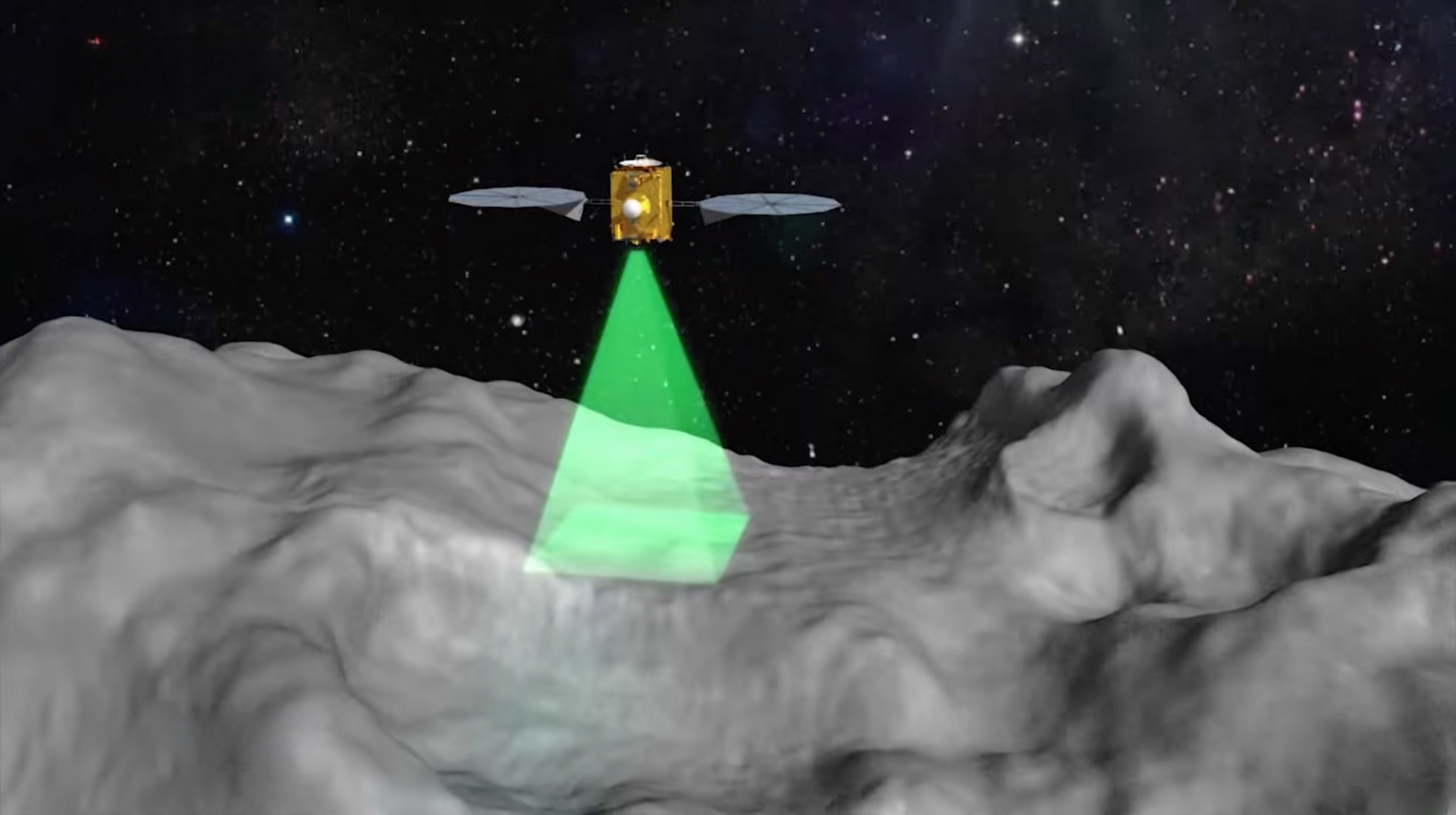
Tianwen-2: Inside China's First Asteroid Sample-Return Mission
China's Tianwen-2 reached the quasi-moon Kamoʻoalewa in June 2026 to grab an asteroid sample, return it to Earth by 2027, then chase a comet.
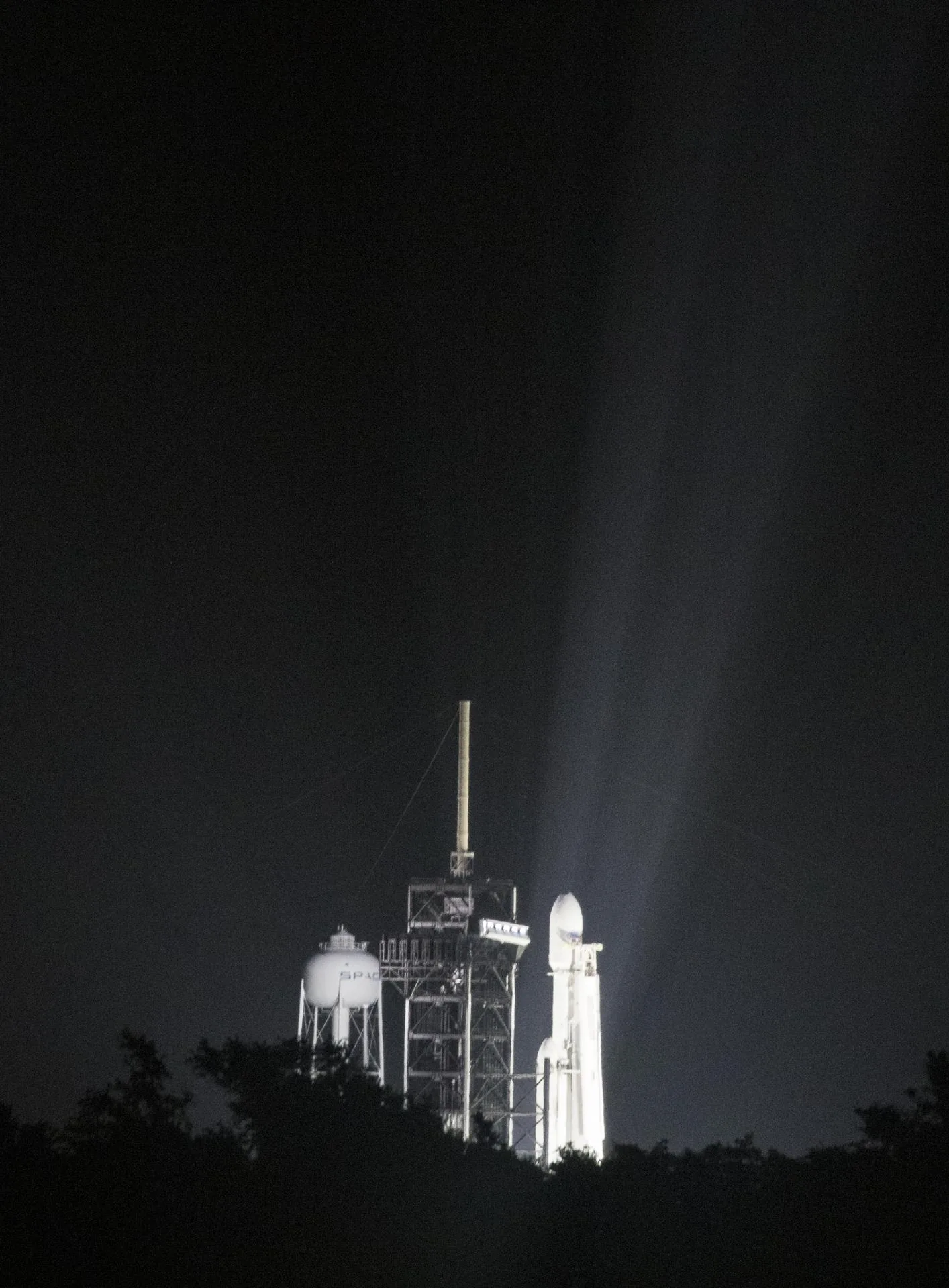
Top 10 Most Powerful Rockets of All Time, Ranked by Thrust (2026)
Ranked by peak sea-level thrust and payload to LEO. SpaceX's Super Heavy now leads the list — the Saturn V is second. Here's the full top 10 with sources.
China's Tiangong Space Station in 2026: What's Happening Now
China's Tiangong station is now fully operational with a permanent crew. Here's a complete update on its modules, missions, research programs, and China's expanding space ambitions.
Following China's rise in space? Share this hub.
China in space — frequently asked questions
What is China's space agency?
The China National Space Administration (CNSA), established in 1993, oversees China's civil space programme, though much of the work is carried out by the state contractor CASC and, increasingly, a fast-growing commercial sector.
What is the Tiangong space station?
Tiangong (“Heavenly Palace”) is China's permanently crewed space station, assembled in low Earth orbit from 2021. With the ISS nearing retirement, it is on course to become the only continuously crewed station in orbit.
Has China landed on the Moon and Mars?
Yes. The Chang'e programme has landed on the Moon multiple times — including the first-ever far-side landing (Chang'e-4) and two robotic sample returns (Chang'e-5 and the far-side Chang'e-6). The Tianwen-1 mission landed the Zhurong rover on Mars in 2021.
When will China land astronauts on the Moon?
China has stated it aims to land taikonauts on the Moon before 2030, using the new Long March 10 rocket, the Mengzhou crew spacecraft, and the Lanyue lunar lander.
Explore more of the universe
Universe ExplorerExplore the connected cosmos in 3DThe Cosmic LadderFly through 119,000 real starsWorldsLand on 16 real planets, moons & asteroidsSpace in ARPut the ISS, JWST & real asteroids in your roomThe PlanetsA tour of the solar system in real imagerySpace AcademyFly history's missions yourselfMission ReplaysRelive the great missions as they happenedStarsMeet the galaxy's brightest starsDeep-Sky Wonders39 galaxies, nebulae & clusters in real imageryThe Great CometsHalley, Hale-Bopp, NEOWISE & more in real photographyAsteroid WatchWatch real asteroids fly past Earth in 3DThe Sun Right NowWatch our star live in seven wavelengthsEarth From a Million MilesWatch the whole Earth turn, live from spaceDeep Space NetworkWho NASA is talking to across the solar system, liveHumanity's Farthest TravelersWatch Voyager & the outbound probes recede, liveSpacecraftThe great robotic explorers in real imageryConstellationsThe figures of the night sky & how to find themMulti-WavelengthSee the cosmos in every kind of lightCosmic PerspectiveFrom your street to the edge of everythingSpace Time MachineTravel to any date in the Space Age